USS Abraham Lincoln Heads Home After 250-Plus Days as George Washington Relieves It
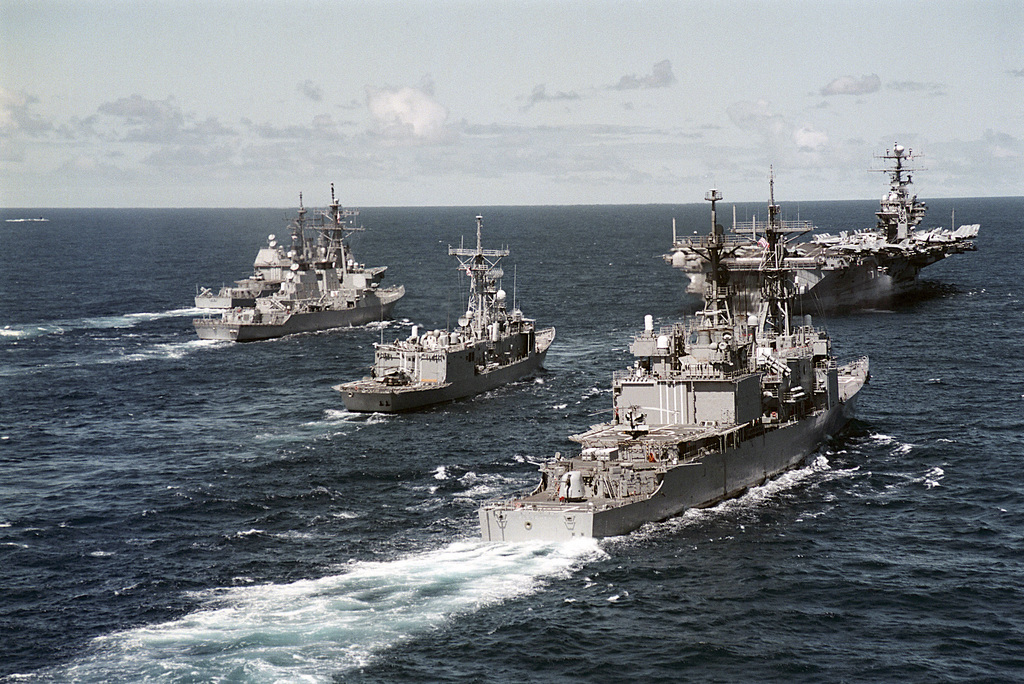
USS Abraham Lincoln is already sailing home after departing the Middle East, and the carrier is expected to reach San Diego within a few weeks. A U.S. official told NBC News that the ship had been underway for several days after more than 250 deployed days roughly nine months away from home.

USS George Washington arrived in the Middle East on Wednesday to assume the mission, U.S. Central Command said, resolving the previously unsettled question of which carrier would relieve Lincoln and when the handoff would begin. Stars and Stripes reported that George Washington entered the command’s theater as part of a regularly scheduled deployment.
The rotation supplies something that had been missing for Lincoln’s roughly 5,000 sailors and Marines and their families: a concrete homeward movement rather than another indication that relief was being planned. It also shifts the Navy’s immediate challenge from sustaining an unusually long presence with one carrier to completing the return and absorbing the effects of that deployment on personnel, equipment and future scheduling.
A relief carrier solves one problem, not the deployment backlog
Lincoln left San Diego on Nov. 21, and its deployment was originally expected to end in May. Instead, changing operational demands extended it to nine months. That is well beyond the roughly six- to seven-month carrier deployment described in current reporting, although long extensions have become increasingly familiar across the fleet.
USNI News reported that since December 2021, East Coast carrier strike groups have averaged almost nine-month deployments as maintenance delays and operational demands reduced scheduling flexibility. Lincoln’s return therefore closes a specific deployment, but it does not by itself restore predictability across the carrier force.
That distinction matters because an aircraft carrier is not interchangeable with an immediately available spare. The Navy operates 11 active carriers, but some are routinely unavailable because of maintenance, training and reactor-related work. A carrier also deploys as the center of a larger strike group with an embarked air wing and escorts, so relief depends on more than moving a single hull into position.
George Washington’s arrival demonstrates that a replacement package was available, but it creates another geographic tradeoff. The Japan-based carrier had been operating in the South China Sea before moving west, and Stars and Stripes reported that its reassignment leaves no U.S. carrier strike group west of San Diego. That is not evidence of an immediate readiness failure, but it shows the finite-force arithmetic behind the delayed handoff: reinforcing one theater can reduce carrier presence elsewhere.
More than 200 days without a port call raised the human burden
Lincoln’s deployment was not notable only for its total duration. The carrier went more than 200 days without a port call, according to U.S. officials cited in current reporting. Port visits normally offer crews time away from the ship while also supporting replenishment and other practical needs, though operational requirements can disrupt that rhythm.
Families and sailors alleged shortages of food and hygiene supplies, intermittent hot-water and plumbing problems, declining morale and mental-health concerns. Those accounts prompted congressional demands for answers and a crew-relief plan. They have not all been established as official findings: the Navy said it had not observed an increase in reported suicidal ideation or suicide attempts aboard Lincoln, while Defense Secretary Pete Hegseth called reports about conditions “completely misrepresented.”
Adm. Brad Cooper, commander of U.S. Central Command, acknowledged that deployment at sea is stressful and said mental health requires the same attention as physical and spiritual health. After visiting Lincoln, he wrote that earlier issues involving food, hot water and other concerns had been addressed and resolved. His statement did not independently settle every disputed account, but it did put senior-command attention on personnel health before the carrier departed.
From a readiness standpoint, the key issue is cumulative load. A nuclear-powered carrier can remain at sea while receiving fuel and supplies, but propulsion endurance does not eliminate wear on aircraft, ship systems or people. Maintenance continues around the clock, and an extended period without port access reduces opportunities for rest and work that are easier to conduct alongside. That does not prove any particular reported failure aboard Lincoln; it explains why deployment length and port-call spacing are meaningful planning metrics.
The next confirmed milestone is now straightforward: Lincoln’s arrival in San Diego. Until the carrier ties up, thousands of sailors and Marines remain deployed and their families are still waiting. But George Washington’s arrival means the relief is no longer a proposal or an unconfirmed date the replacement is in the region, and Lincoln is already on the way home.
| More aerospace and engineering stories, right in your MSN feed. Follow AMI on MSN |
By David Whitaker — Associate editor for AMI’s aerospace and drone systems desk, translating flight systems, aircraft programs, spaceflight, and UAV developments into accessible technical stories.