India Supplied 94% of Russia’s Imported Gasoline in August as Refinery Strikes Disrupted Output
Russia imported a record 172,000 tonnes of refined fuel in August 2026, more than seven times its previous monthly high. The total was also three times the volume imported during all of 2025, according to an August trade analysis by the Centre for Research on Energy and Clean Air. The cargoes included fuel from South Korea and gasoline refined in India from Russian crude.
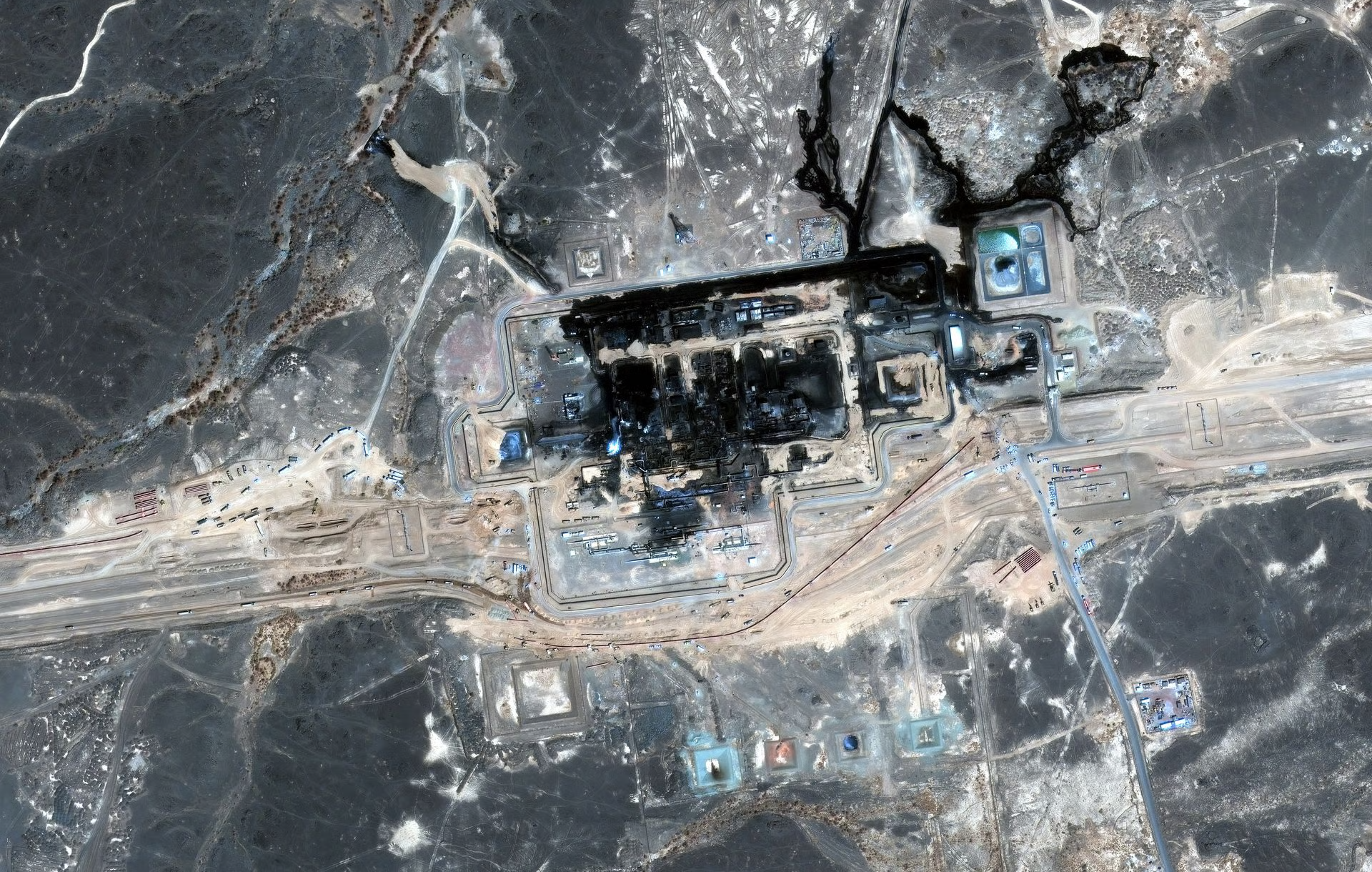
The surge followed sustained Ukrainian drone strikes that depressed Russian refinery throughput and reduced domestic gasoline and diesel production. Moscow restricted exports to preserve supplies, but replacement fuel procurement has now moved beyond regional distribution measures and purchases from neighboring countries to longer supply chains reaching South Korea and India. That shift matters because Russia has historically been a major exporter of refined petroleum products rather than a large importer.
The import composition shows that the problem is not simply a shortage of crude oil. Gasoline accounted for 74% of Russia’s imported oil products in August, compared with 6% between 2023 and 2025. India provided 70% of all imported products and 94% of the imported gasoline, including 120,000 tonnes loaded at the Vadinar refinery. That facility processed Russian crude throughout the first eight months of 2026, according to the analysis.
In practical terms, crude that Russia could not convert into enough finished motor fuel at home was shipped abroad, processed and transported back. That adds freight, handling and insurance costs that would not exist if domestic refinery capacity were operating normally. It also illustrates an important distinction in energy resilience: possessing crude reserves and production capacity does not guarantee an adequate supply of gasoline or diesel. Refineries must still convert that crude into products of the required grade, and distribution networks must deliver them where demand exists.
South Korea supplied another 18,000 tonnes of oil products in August, mostly gasoil. That was 41% above the previous post-invasion monthly record set in July and eight times the three-year monthly average. These cargoes have generally served Russia’s Pacific ports, where long internal transport distances can make overseas supply a practical supplement even for a major oil-producing country.
Lower throughput is changing the supply system
The import record is consistent with a broader decline in refining activity. The International Energy Agency reported that Russian refinery throughput fell to 3.8 million barrels per day in June, its lowest level in more than 20 years and about 30% below the year-earlier level. Reported gasoline output was down 20%, while estimated diesel production fell nearly 30%.
Russia responded by banning gasoline exports in April, jet-fuel exports in mid-June and diesel exports in July. Export controls can redirect available production toward domestic users, but they cannot replace processing capacity. Once domestic output and inventories are insufficient, the remaining options include moving fuel farther inside Russia, relaxing product specifications or buying finished fuel abroad. August’s imports demonstrate that all-local mitigation was no longer enough to cover the imbalance.
The pressure is also uneven. A region dependent on a nearby refinery or limited transport routes can experience retail restrictions even if fuel remains available elsewhere in the country. Orenburg offered a recent example after the Orsk refinery was struck: authorities introduced license-plate-based access, purchase limits and a ban on filling canisters. Officials said repairs could take as long as six months, although that remains an estimate rather than a confirmed restoration schedule.
Repeated refinery disruption also creates a national allocation problem for defensive and repair resources. The IEA calculated that a Russian refinery was hit on average once every three days during the first eight months of 2026 and that only five of the country’s 32 major refineries remained untouched by late August. Those figures do not establish the condition of every plant, but they show the industrial scale of the readiness burden: operators must sustain production, carry out repairs and protect geographically dispersed facilities at the same time.
Important uncertainties remain. Public data do not provide a complete unit-by-unit account of refinery damage, available inventories or regional demand, and repair estimates may change after detailed inspections. Import volumes are also modest compared with Russia’s overall fuel market, so the August total should be read as a supply-system indicator rather than a complete replacement for lost production.
The next test is whether domestic throughput recovers enough to reduce that dependence. The IEA has lowered its forecast for Russian refinery processing to an average of 4 million barrels per day for the remainder of 2026 and for 2027. If that projection holds, record imports will mark more than a temporary cargo surge: they will reflect a prolonged reversal in which a major fuel exporter must keep purchasing finished products to maintain vehicle supply at home.
| More aerospace and engineering stories, right in your MSN feed. Follow AMI on MSN |
By Stephen Wallace — Editor for AMI’s aerospace integration and unmanned mobility coverage, focused on drone manufacturing, VTOL systems, autonomous networks, and air-ground mobility links.