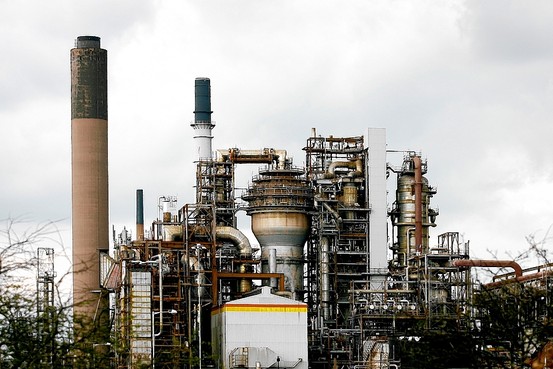
Russian Fuel Imports Hit Record as Ukrainian Drones Pressure Refineries
Russia imported a record 172,000 tonnes of oil products in August 2026, according to an analysis by the Centre for Research on Energy and Clean Air. That was more than seven times the previous monthly high recorded since the start of Russia’s full-scale invasion of Ukraine and three times the country’s total imports for all of 2025.

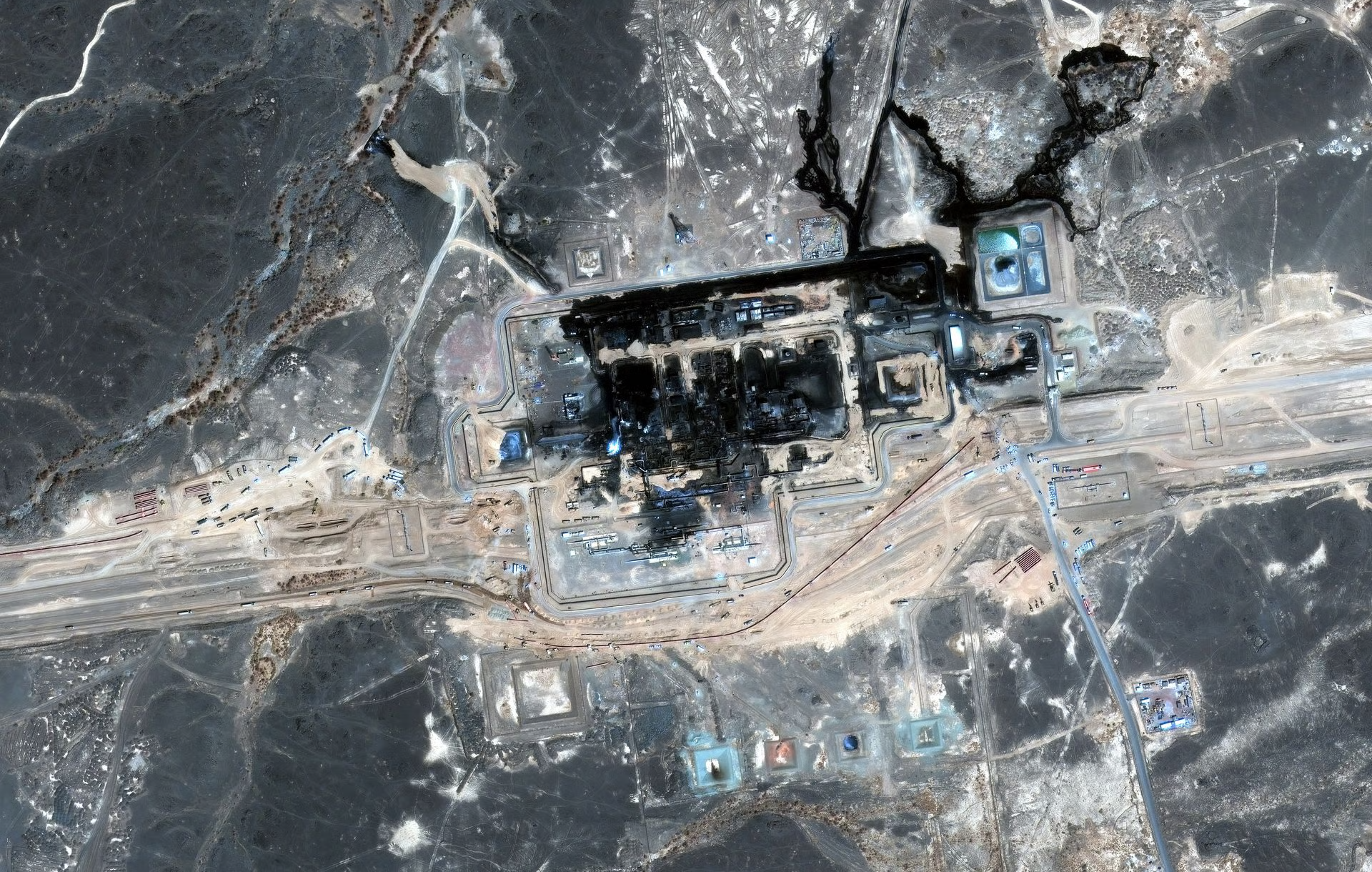
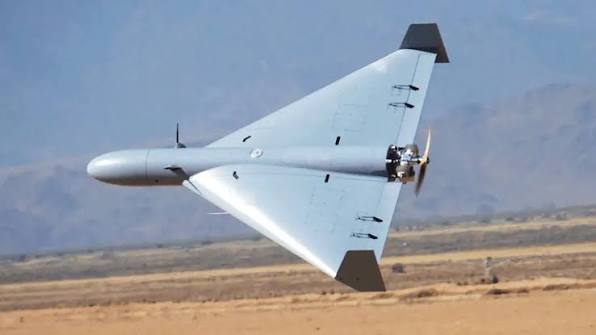
The import surge came amid Ukrainian drone strikes on Russian refining capacity, which CREA and the International Energy Agency associate with lower output, shortages and higher domestic prices. Russia sourced fuel from South Korea and bought gasoline from India that had been refined from Russian crude, reversing the usual flow for a country that historically ranked among the world’s largest exporters of refined petroleum products.
The mechanism behind that reversal is straightforward: producing crude oil and turning it into usable motor fuel are different industrial functions. Crude has limited direct value to motorists. Refineries must separate and upgrade it into gasoline, diesel and other products, and disruption to those processing units can leave a producer with ample oil but insufficient finished fuel in the places where buyers need it.
That distinction explains why the August total matters more than a single unusual cargo. Between 2023 and 2025, Russia averaged less than 5,000 tonnes per month of seaborne oil-product imports, and there were no imported-fuel cargoes unloaded at Russian ports during 13 of those 36 months. In August 2026, gasoline represented 74% of product imports, compared with 6% during the earlier three-year period.
Imports buy supply at the cost of a longer logistics chain
India supplied 70% of Russia’s oil-product imports and 94% of its gasoline imports during August, CREA calculated. Its data put the Indian gasoline volume at 120,000 tonnes, all loaded at the Vadinar refinery. That facility had sourced all of its crude from Russia during the first eight months of 2026, meaning Russian crude was processed abroad and returned as finished gasoline.
This arrangement can replace product volume, but it cannot reproduce the efficiency of domestic refining close to established distribution networks. Imported gasoline has to be scheduled at a foreign refinery, moved by sea, unloaded at a Russian port and then transferred into inland transport. One separately reported Indian-origin cargo contained about 68,000 tonnes; after reaching the Arctic port of Vitino in early August, its gasoline was being dispatched to domestic buyers by rail.
Rail therefore becomes part of the substitution system rather than merely the final delivery step. Imported fuel arriving at a remote port must compete for unloading, storage, rolling stock and timetable capacity before it reaches wholesalers. Russia can also draw gasoline by rail from Belarus and Kazakhstan, but the IEA assessed that those countries lack enough refining capacity to cover the full deficit.
South Korea provided another, geographically distinct supply channel. Russia imported 18,000 tonnes of South Korean oil products in August, mostly gasoil. CREA described that as 41% above the previous post-invasion monthly record set in July and eight times the three-year monthly average. Those deliveries have typically served Pacific ports that are difficult to supply from other routes, illustrating how Russia’s large geography complicates replacement fuel distribution.
Falling refinery output is the controlling constraint
The IEA reported that Russian refinery throughput dropped to 3.8 million barrels per day in June, its lowest level in more than 20 years and about 30% below the previous year. Reported gasoline production was 20% below 2025 levels, while estimated diesel output was down nearly 30%. These figures are the IEA’s assessment, and the precise effect attributable to individual strikes remains difficult to verify independently during an active conflict.
Russia has tried to preserve domestic availability by restricting exports as well as importing replacement supplies. That is a faster response than restoring damaged processing equipment, particularly when outages affect complex upgrading units rather than only initial crude-distillation equipment. Imports can fill part of the immediate product gap; they do not repair domestic capacity or remove the transport burden created by moving fuel from ports into the interior.
The disruption also creates a readiness and industrial-capacity problem on both sides. Sustained long-range drone operations require continuing aircraft production, navigation and communications components, launch support and mission planning. Russia, meanwhile, must allocate resources among air defense, refinery protection, repair work and fuel logistics across a widely dispersed network. The available public data show the resulting supply pressure, but do not establish how long either side can sustain its present tempo.
Earlier regional purchase limits and rationing measures showed the consumer-facing effects of tight supply. The August import record marks a broader change: Russia is now using international refining, seaborne transport and inland rail capacity to perform work previously handled by its own refinery network. The next decisive measure will be whether domestic throughput recovers; the IEA has lowered its forecast for Russian refinery runs to an average of 4 million barrels per day for the remainder of 2026 and for 2027.
| More aerospace and engineering stories, right in your MSN feed. Follow AMI on MSN |
By Stephen Wallace — Editor for AMI’s aerospace integration and unmanned mobility coverage, focused on drone manufacturing, VTOL systems, autonomous networks, and air-ground mobility links.