Russia Imported 120,000 Tonnes of Indian-Refined Gasoline Made From Its Own Crude
Russia imported a record 172,000 tonnes of refined oil products in August 2026, more than seven times its previous monthly high, according to an analysis by the Centre for Research on Energy and Clean Air. The reversal is notable for a country that historically exported large volumes of refined fuel and typically bought very little from abroad.
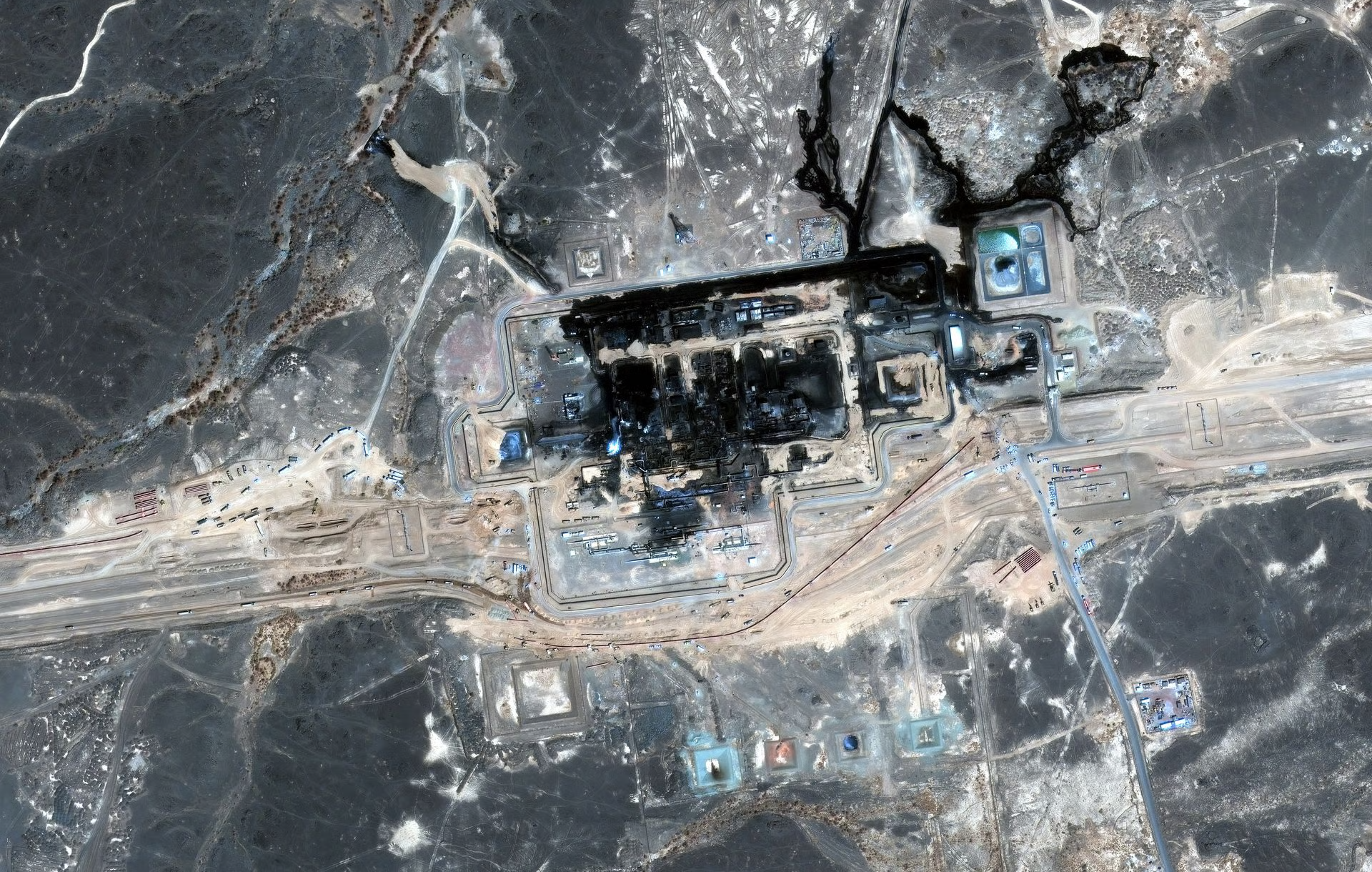
Repeated Ukrainian drone strikes have depressed Russian refinery throughput, while Moscow has prioritized scarce gasoline, diesel and jet fuel for domestic consumption and restricted their export. The supply response has consequently moved beyond regional rationing and filling-station controls: Russia is now sourcing replacement fuel internationally, including gasoline refined in India from Russian crude.
The immediate consumer effects appeared earlier in the distribution chain. Shortages that began in May amid both refinery shutdowns and seasonally higher demand had spread widely by July. Renewed attacks in late July and August were followed by another round of restrictions, with some Moscow-region stations reportedly lacking gasoline and 16 regions facing partial controls. Diesel remained available at almost all Moscow-region stations covered by the reporting.
A sharp break from Russia’s normal fuel flows
The import total matters less as a standalone tonnage figure than as evidence of a structural reversal. Between 2023 and 2025, Russia averaged less than 5,000 tonnes of seaborne oil-product imports per month, and no imported cargoes were unloaded at Russian ports in 13 of those 36 months. August’s 172,000 tonnes were also three times the total imported during all of 2025.
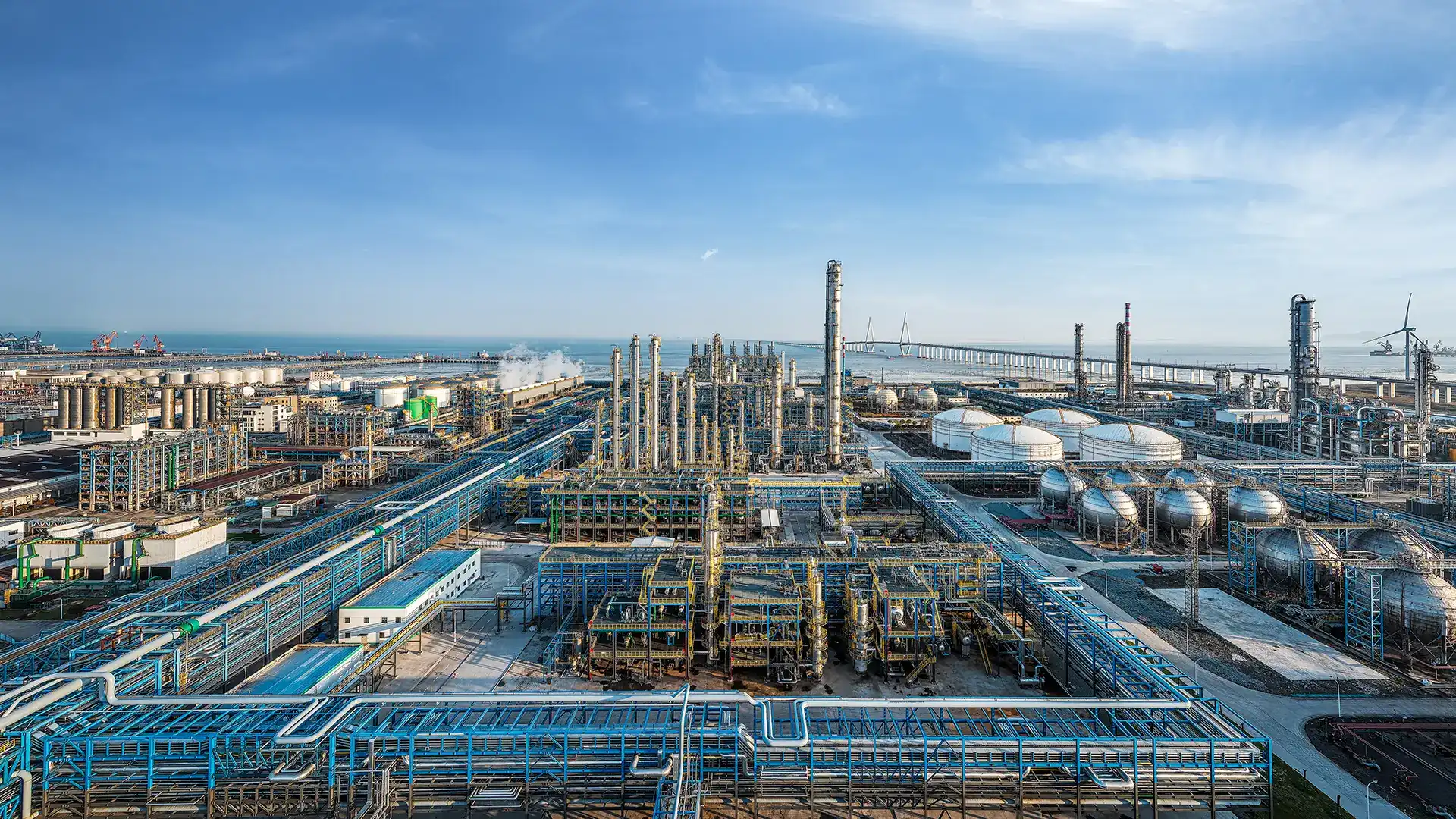
The mix changed as sharply as the volume. Gasoline represented 74% of August imports, compared with only 6% from 2023 through 2025. India supplied 70% of all imported oil products and 94% of imported gasoline that month. That included 120,000 tonnes of gasoline from the Vadinar refinery, which had sourced all its crude from Russia during the first eight months of 2026.
In practical terms, crude that Russia could export but could not fully process at home was refined abroad and shipped back as finished motor fuel. That adds transport, handling and insurance costs that domestic refining would ordinarily avoid. It also lengthens the supply chain between crude production and a Russian filling-station pump, increasing dependence on foreign refining capacity and maritime logistics.
Refinery throughput is the central constraint
The International Energy Agency reported that Russian refinery throughput fell to 3.8 million barrels per day in June, its lowest level in more than 20 years and about 30% below the previous year. Reported gasoline output was down 20% from 2025 levels, while estimated diesel production fell nearly 30%.
Those reductions help explain why export controls expanded alongside imports. Russia banned gasoline exports from April and later imposed its first aviation-fuel and diesel export bans. Restricting outbound product keeps more domestically refined fuel inside the country, but it cannot by itself replace output lost when processing capacity is unavailable. Imports fill part of that remaining gap.
The production numbers also show why crude availability and fuel availability are not interchangeable. A refinery converts crude into a controlled mix of gasoline, diesel, aviation fuel and other products. When throughput falls, having crude oil does not guarantee that the required finished product will be available in the right region or season. Distribution must then rebalance inventories across a vast network while competing demands including summer driving, aviation and agricultural diesel use pull on the same reduced output.
Repeated drone pressure compounds repair and readiness demands
The IEA counted 32 major Russian refineries with about 6.5 million barrels per day of installed capacity and said a refinery was hit, on average, once every three days during the first eight months of 2026. That frequency creates a broader readiness burden than any single shutdown: operators must manage repairs, delayed maintenance, production scheduling and product distribution while further interruptions remain possible.
This does not make drone strikes the sole cause of every shortage. Seasonal demand contributed to the earlier deterioration, and public reporting does not provide a complete real-time inventory for every region. Strike effects and individual facility conditions also require attribution because the conflict limits independent verification.
Still, several system-level indicators align: refinery throughput fell, gasoline and diesel production declined, export restrictions widened, regional availability tightened and refined-fuel imports reached a record. CREA also found that Russian oil-product export loadings in August were less than half their August 2025 level.
The next test is whether domestic refining recovers enough to reduce reliance on replacement cargoes. The IEA has lowered its forecast for Russian refinery throughput to an average of 4 million barrels per day for the remainder of 2026 and for 2027. If that constraint persists, August’s record will mark more than an emergency purchase: it will show how sustained disruption transformed a major fuel exporter into a recurring buyer of products made from its own crude.
| More aerospace and engineering stories, right in your MSN feed. Follow AMI on MSN |
By Stephen Wallace — Editor for AMI’s aerospace integration and unmanned mobility coverage, focused on drone manufacturing, VTOL systems, autonomous networks, and air-ground mobility links.