NASA’s Artemis III Is 90 Days Behind, Putting Two 2028 Moon Landings Under Pressure
Ninety days now separate NASA’s Artemis III schedule from where the agency wants it to be. NASA Administrator Jared Isaacman disclosed the roughly three-month shortfall in a September 20 email to employees, describing summer 2027 as the mission’s best-case launch window. NASA confirmed the email’s authenticity after it was published by NASA Watch.
The immediate concern extends beyond one delayed flight. Artemis III is supposed to prepare NASA for two crewed lunar-landing opportunities in 2028. Isaacman warned that continued slippage could reduce that plan to a single opportunity late in the year, tightening a campaign that NASA recently redesigned to move faster while reducing risk.
Artemis III is now a docking rehearsal
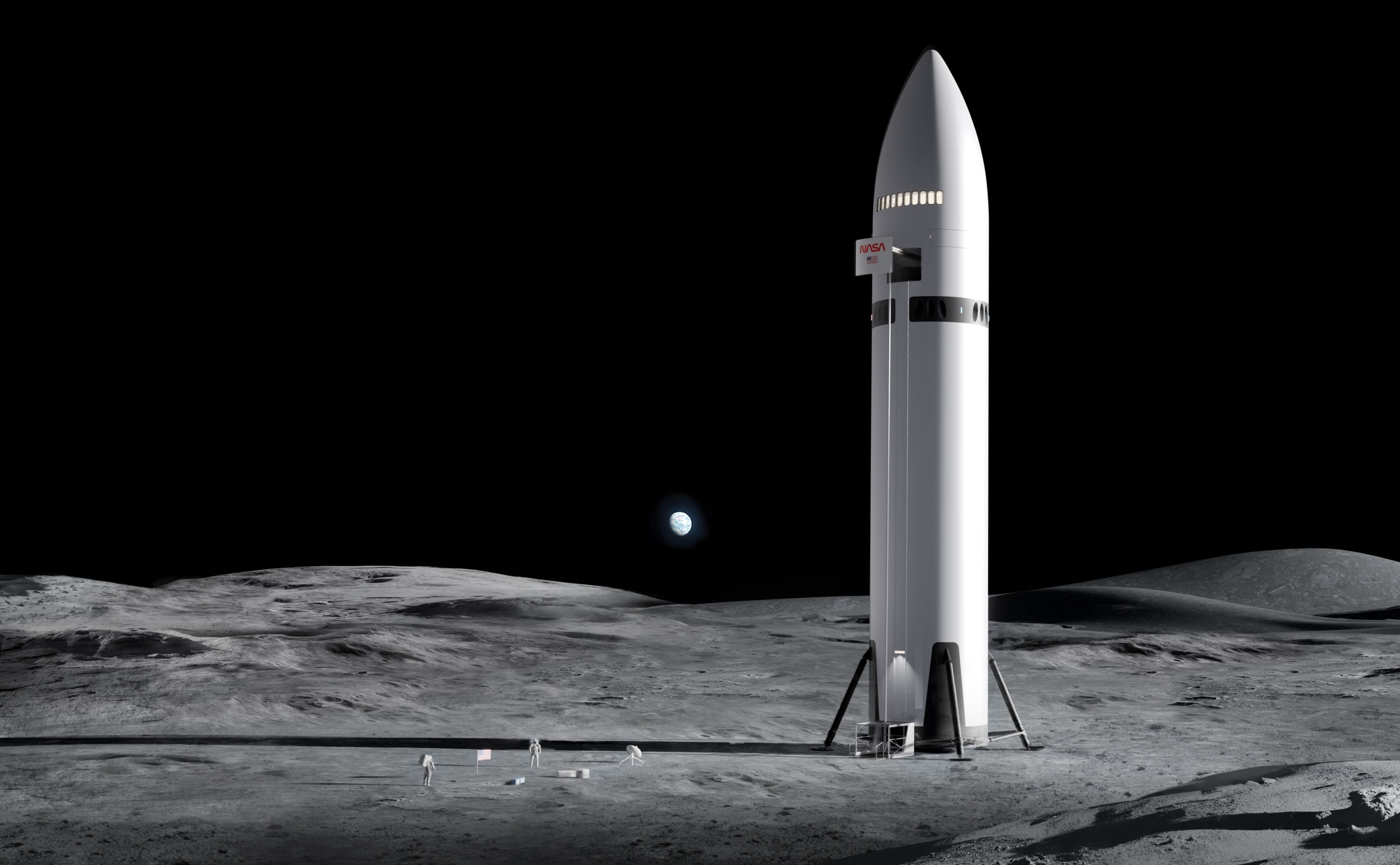
Artemis III is no longer scheduled to land astronauts on the Moon. Under the architecture NASA announced in February, the crew will remain in Earth orbit and rehearse rendezvous and docking operations between NASA’s Orion spacecraft and lunar landers developed by SpaceX and Blue Origin.
Keeping that first integrated crewed exercise near Earth changes the mission’s purpose without making it a low-value flight. Docking hardware, vehicle interfaces, crew procedures and communications must work across spacecraft built by different organizations. Testing those interactions close to Earth gives NASA a more manageable setting for identifying integration problems before committing a crew to a lunar landing sequence.
Orion itself is gaining hardware specifically for this role. NASA’s Orion reference guide says that beginning with Artemis III, the spacecraft will carry a rendezvous and docking system for connecting with a human landing system or another spacecraft. That makes the mission a bridge between Orion’s earlier flight testing and the more complex operations required around the Moon.
NASA has assigned Randy Bresnik, Andre Douglas, Frank Rubio and European pilot Luca Parmitano to Artemis III. The flight is positioned after the Artemis II lunar flyby and before Artemis IV and Artemis V, identified in the revised sequence as the first two crewed landing missions.
A schedule problem across multiple suppliers
The disclosed delay is not tied to one complete vehicle. Isaacman said NASA is working directly with suppliers and subcontractors to recover late components, including valves and rocket-steering parts. The agency is also manufacturing some hardware itself in an effort to accelerate production.
That response shows why a 90-day shortfall cannot be treated simply as three months that can be removed from a calendar. Artemis III depends on hardware delivery, installation, verification and integrated testing across Orion, the Space Launch System rocket and commercial landing systems. A recovered component still has to enter the larger assembly and test flow without creating new bottlenecks elsewhere.
NASA has not established that these measures will erase the deficit. Summer 2027 therefore remains a best-case scenario rather than a firm recovered date. The distinction matters because delays late in a development and integration campaign can compress the time available for resolving findings from one mission before the next vehicle must be ready.
The delay reaches into 2028
The revised architecture was intended to build experience in steps: Artemis II demonstrates crewed Orion operations around the Moon, Artemis III rehearses docking in Earth orbit, and the following missions attempt lunar landings. That progression reduces the number of major new operations NASA must combine for the first time during a landing mission.
It also makes the schedule tightly linked. Artemis III must not only fly; its results must be assessed and carried into preparations for Artemis IV and V. If the orbital rehearsal moves later, NASA has less time to examine docking performance, address discrepancies and incorporate any required changes before the landing missions.
NASA currently anticipates Artemis V as a lunar surface mission by late 2028, according to the agency’s mission schedule. Isaacman’s warning indicates that additional Artemis III slippage could eliminate the earlier of NASA’s two planned 2028 landing opportunities, leaving that late-year mission as the remaining chance.
The architecture redesign may reduce mission risk by moving the initial docking rehearsal closer to Earth, but it cannot remove the dependency between flights. NASA’s near-term task is now concrete: recover delayed hardware, complete cross-company integration and launch Artemis III near its best-case summer 2027 window. If those efforts do not recover enough time, the consequence will be measured not only in another delayed mission, but in one fewer chance to return astronauts to the lunar surface in 2028.
| More aerospace and engineering stories, right in your MSN feed. Follow AMI on MSN |
By David Whitaker — Associate editor for AMI’s aerospace and drone systems desk, translating flight systems, aircraft programs, spaceflight, and UAV developments into accessible technical stories.