

Poland Scrambles Fighters After Russian Mi-8 Enters Airspace for 42 Seconds
Poland scrambled fighter jets and placed ground forces on standby after a Russian Mi-8 military helicopter crossed into Polish airspace for just 42 seconds. The brief September 23 incursion activated several layers of the country’s air-defense system, even though officials did not report an interception or establish why the Russian aircraft crossed the border.

The helicopter approached from Russia’s Kaliningrad exclave and entered Polish airspace north of Braniewo at 11:08 a.m. local time, according to Poland’s Operational Command of the Armed Forces. The aircraft penetrated approximately 300 meters into Polish territory before departing. As described in a report on the military’s statement, Polish radar tracked the helicopter throughout the crossing.
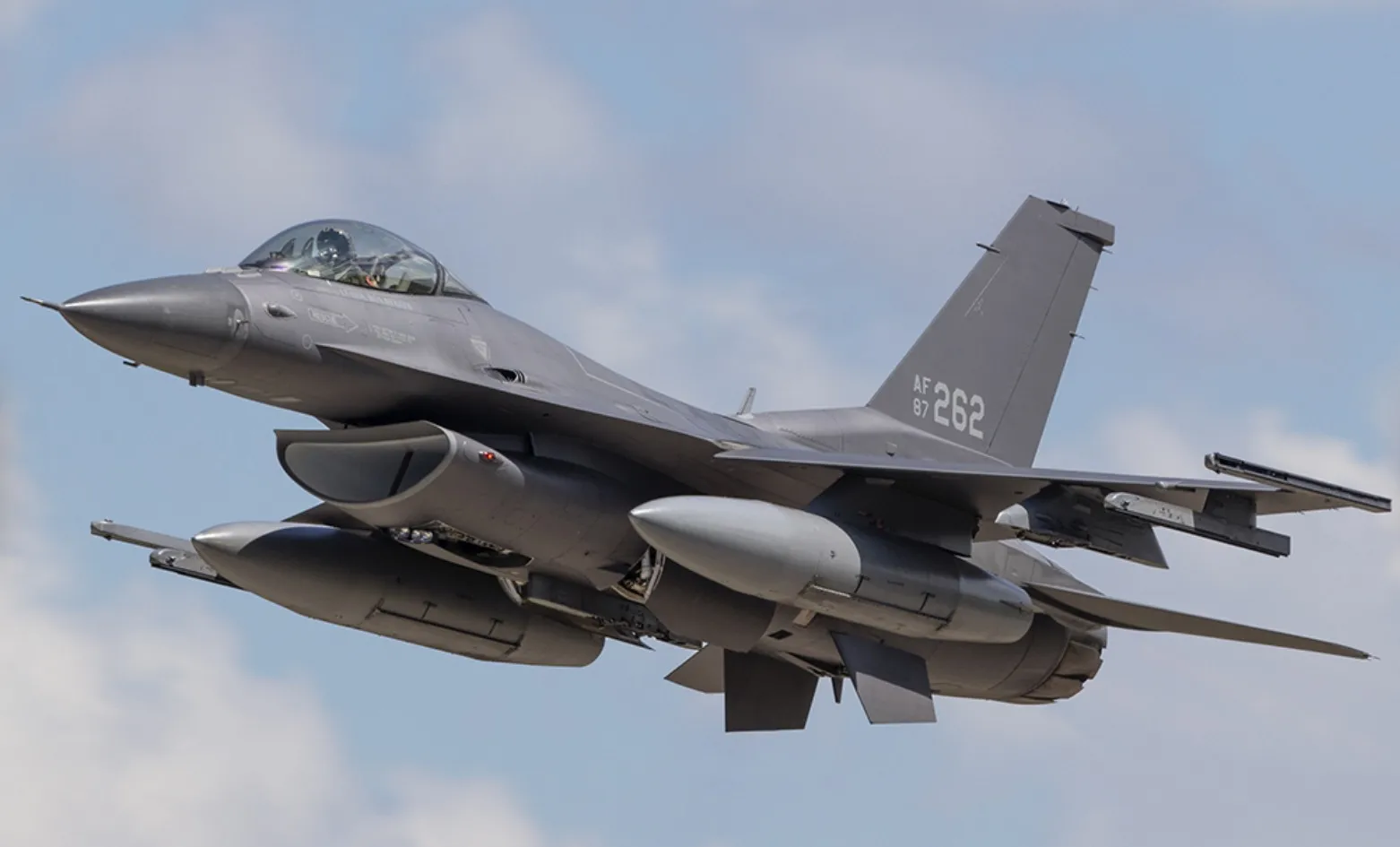
“The flight of the machine was observed by the radio-location systems,” the Operational Command said. Poland then launched fighter aircraft while keeping ground units ready to respond.
A short crossing still creates a full readiness demand
The 42-second duration is the central operational tension. A helicopter moving only a short distance across a border may leave little time for authorities to identify the aircraft, confirm its track and decide how to respond before it exits again. Yet the limited duration does not remove the requirement to detect and evaluate a crewed military aircraft inside sovereign airspace.
Poland’s response shows the separate functions within that process. Ground-based sensors supplied the initial detection and continuing track. Fighter-alert forces provided a crewed airborne response, while ground units remained available if the situation continued or changed. These components do not all have to make direct contact with an intruding aircraft to serve a purpose; their activation gives commanders more options while the track is being assessed.
That layered response carries a readiness cost. Fighter crews, maintainers, command personnel and supporting units must be prepared to act on a timeline that can be much longer than the border violation itself. Launching aircraft also consumes flight hours and requires subsequent servicing, regardless of whether the event ends in an interception. No cost, maintenance impact or number of sorties was disclosed for this response, however.
Polish officials have not identified the fighter type or types involved, how many aircraft launched or how close they came to the Mi-8. They also have not reported radio contact, visual identification, an interception or an engagement. It therefore would be inaccurate to describe the response as a completed intercept based on the information released so far.
Intent remains an attributed assessment
Poland’s Operational Command said the incident’s nature indicated that Russia was “once again testing the readiness of our air defence.” That is the Polish military’s assessment, not an independently established explanation of the helicopter crew’s intent. No public account cited a navigation error, deliberate reconnaissance task or other confirmed reason for the crossing, and Moscow did not immediately comment on this specific incident.
The distinction matters because radar data can establish where an aircraft flew and for how long, but the track alone does not prove why it crossed the boundary. Poland can document an airspace violation and respond to it without having resolved whether the incursion was deliberate.
The episode occurred amid wider concern over Russian military activity near NATO territory during the war in Ukraine. Polish prosecutors separately said that a Russian Gerbera 2 drone recovered from the Baltic Sea the previous week carried a high-explosive fragmentation warhead. That discovery adds to the security context, but it does not establish a connection to the Mi-8 flight or explain the helicopter’s route.
Russia has denied planning an attack on NATO countries. For Poland’s air-defense crews, however, the immediate requirement was narrower than determining strategic intent: track an identified Russian military helicopter after it crossed the national boundary and put response forces in position. The aircraft was back outside Polish airspace in under a minute, but the fighter and ground alert had already been activated.
| More aerospace and engineering stories, right in your MSN feed. Follow AMI on MSN |
By David Whitaker — Associate editor for AMI’s aerospace and drone systems desk, translating flight systems, aircraft programs, spaceflight, and UAV developments into accessible technical stories.