

Older Super Hornets, Growlers, F-15s and F-16s Exit Squadrons in 2026
The familiar names are staying, but many of the oldest aircraft carrying them are not. During 2026, the U.S. Navy and Air Force are reducing selected Super Hornets, Growlers, F15s and F16s without retiring those aircraft families wholesale. The dividing lines are configuration, accumulated structural fatigue and the maintenance burden attached to each jet.

That distinction matters because two aircraft with the same basic designation can have sharply different futures. A lower fatigue F15C may remain on homeland defense alert while another F15C retires. A later block F16 can receive upgrades while an older aircraft leaves a Guard, test or aggressor unit. For the Navy, the arrival of Block III Super Hornets makes preserving every early Block I or II aircraft less attractive.
Super Hornet reductions favor Block III
The Navy’s reductions center on older F/A18E/F Super Hornets, a family that entered fleet service in 1999. The first production Block II aircraft followed in 2005 with the APG79 electronically scanned radar, but early Block II jets are now reaching approximately 6,000 to 7,000 flight hours.
Those hours do not tell the whole structural story. Carrier aircraft repeatedly absorb catapult launches, arrested landings and the associated loads of shipboard operation. As those cycles accumulate, inspections, repairs and life extension work consume more maintenance capacity. The Navy can therefore retain the Super Hornet family while removing individual airframes that are less economical to keep available.
Block III is becoming the preferred configuration. Its equipment includes the Advanced Cockpit System, a newer processing and networking architecture, and an infrared search and track system. Some carrier air wing Super Hornet squadrons are reportedly dropping from 12 aircraft to 10, concentrating maintainers and available flight hours on the jets that remain rather than spreading support across a larger inventory.
The related EA 18G Growler fleet faces a similar, though smaller, cut. The Navy plans to divest 25 of its oldest Growlers while continuing life extension work and introducing upgraded jammer pods on retained aircraft. The Growler entered service in 2009, but age by calendar year alone does not determine its condition; flying history and structural use differ from tail to tail.
There is also an industrial limit in the background. Final new build Super Hornet aft fuselages are in production, and current reporting places the end of assembly in 2027 unless an export order extends the line. That makes the retained fleet’s condition and support system increasingly important as new aircraft production winds down.
Not every old F-15 has the same fatigue history
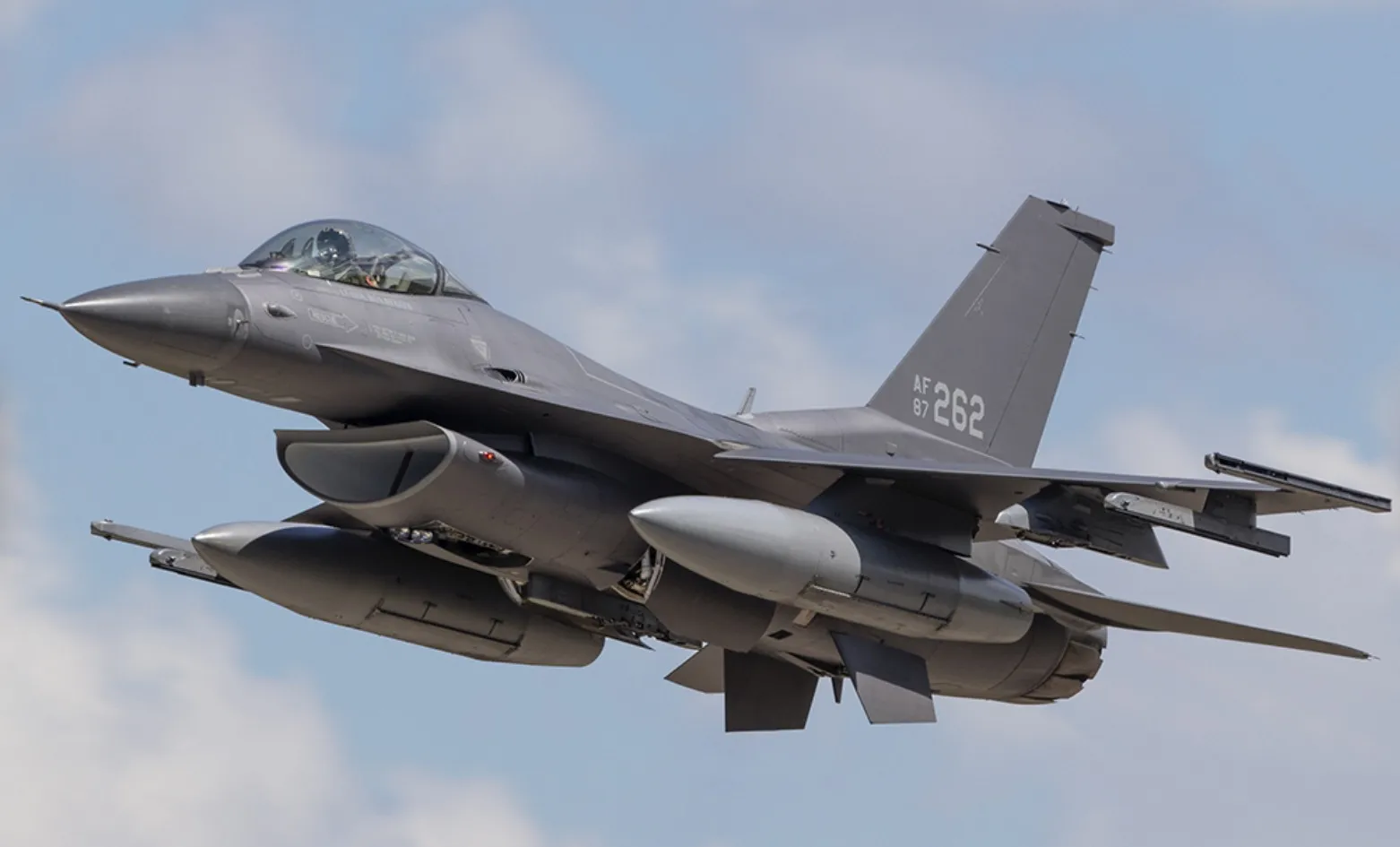
The Air Force is retiring roughly 100 remaining F15C/Ds during the current cycle, but about 80 lower fatigue aircraft known as Platinum Eagles are expected to continue homeland defense alert duties through 2030 or 2031. The result is a selective drawdown: heavily used or less desirable aircraft leave first, while better condition examples cover a narrower mission set.
The broader pressure is visible in a Congressional Research Service assessment of Air Force fighter structure. It describes a heavily used fighter fleet with an average aircraft age of 27.4 years and identifies sustainment, spare parts availability, maintenance staffing and industrial capacity as constraints. The Air Force reported 1,098 fighters in May 2026, below the statutory requirement of 1,145 primary mission aircraft.
F15EX Eagle IIs are replacing F15Cs at Kadena Air Base, although replacement deliveries do not erase transition risk. Production and parts delays have affected the F15EX schedule, requiring bridging plans while new aircraft arrive. Boeing delivered the first F15EX intended for duty in Japan in September 2026, according to FlightGlobal.
The F15E Strike Eagle should not be folded into the completed 2026 retirements. The Air Force sought to remove 21 F15Es for an estimated $140 million saving, but the fiscal 2026 defense authorization blocked F15E retirements during that year and limited subsequent reductions. Plans to expand the F15EX fleet are likewise requests and production objectives, not aircraft already fielded.
Early F-16 blocks leave before later versions
For the F16C/D, Block 25, 30 and 32 aircraft are being removed first from Guard, aggressor and test assignments, including units at Nellis and Edwards Air Force bases. Air National Guard leadership has warned that Block 30 aircraft have limited structural life remaining and must retire over the next decade. Parts availability compounds that fatigue life constraint.
Later Block 50 and 52 F16s are among those being retained, showing again why the family name is an unreliable guide to fleet status. Retired aircraft generally move to storage at Davis Monthan, where they may become parts sources or await another disposition. One previous outlet has closed: Boeing delivered the 127th and final QF16 full scale aerial target in December 2025.
The 2026 drawdown is therefore less a clean replacement of old fighter types than a sorting process within them. Newer avionics matter, but so do fatigue consumed, repair demand, parts supply and the number of maintainers available. A fighter family can remain operational for years after its oldest individual aircraft have become too costly in time and labor to preserve.
| More aerospace and engineering stories, right in your MSN feed. Follow AMI on MSN |
By David Whitaker — Associate editor for AMI’s aerospace and drone systems desk, translating flight systems, aircraft programs, spaceflight, and UAV developments into accessible technical stories.