Royal Air Force Reportedly Jammed Foreign Satellites, Launches Defence Unit
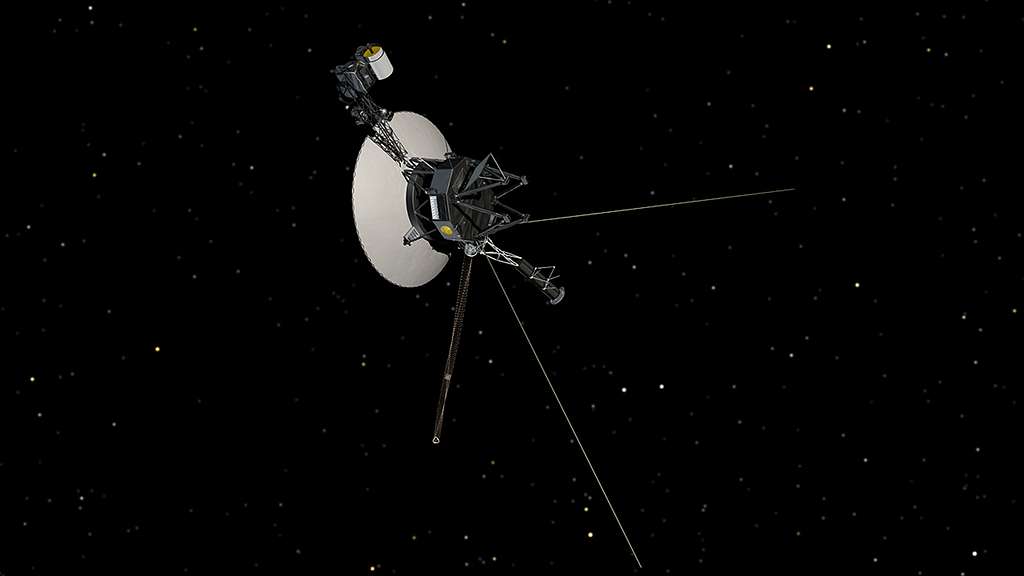
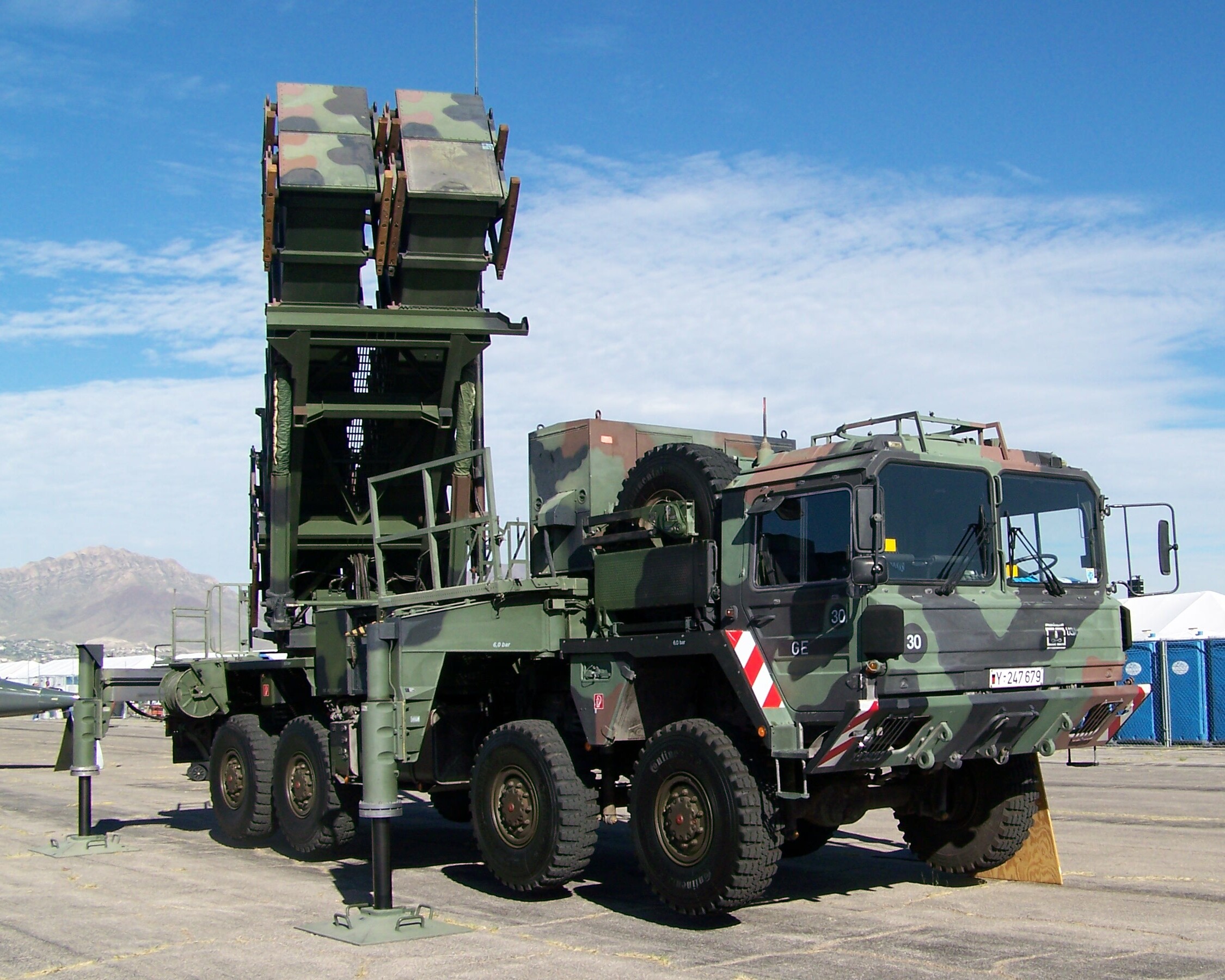
The Royal Air Force has reportedly used a ground-based system to jam or block satellites operated by other countries, giving Britain an active but largely undisclosed counterspace capability. The BBC reported on September 23 that the system had been in use for the past year, with an unnamed defence source saying it had already been employed “to deter our adversaries.”

That operational-use claim has not been publicly confirmed in equivalent detail by the Ministry of Defence. The system’s name, location, range, targets and performance remain undisclosed. What the ministry has confirmed is the creation of No. III Space Effects Squadron, the RAF’s first unit dedicated to countering hostile threats to British satellite services.
Interference is not physical destruction
The distinction matters. Ground-based electronic interference can prevent a receiver or satellite service from using a signal correctly without physically destroying a spacecraft. Its effects may be temporary or geographically limited, depending on conditions that the RAF has not disclosed. A physical anti-satellite weapon, by contrast, can damage or destroy hardware in orbit and potentially create long-lived debris.
Britain has formally ruled out destructive anti-satellite missile testing. The newly formed squadron will instead use capabilities including electronic warfare to support defensive and offensive space operations, according to the RAF. The Ministry of Defence describes its mission as “disrupting, degrading and denying hostile threats in space.”
No. III Squadron also provides an organizational home for action after a threat has been detected. Two sister units already cover space operations and warning; the new organization is intended to respond to hostile activity and expand as additional capabilities enter service. That creates a basic operational chain: monitor activity, assess it and then generate an effect when authorized.
The organization is as important as the hardware. A jamming system by itself does not establish persistent readiness. Personnel must be trained, intelligence and tracking data must be evaluated, authorities must be defined, and equipment must be maintained and integrated with allied systems. The new squadron consolidates specialists from across the armed forces, but the RAF has not disclosed its staffing, equipment inventory or readiness targets.
Britain is responding to repeated interference concerns
The unit arrives as the RAF reports increasingly contested behavior around satellite services. In May, it tracked five Russian satellites moving near two Finnish commercial satellites and described the maneuvers as dangerous. Air Chief Marshal Sir Harv Smyth said in June that a Russian satellite constellation had disrupted GPS signals across Europe and Canada. The previous head of UK Space Command said in 2025 that Russia was attempting to jam British satellites weekly.
Those statements establish the operating pressure behind the squadron, but they do not identify the satellites reportedly affected by Britain’s own system. Nor do they show how effective that system was. Without named targets, test results or performance data, it is not possible to assess its reach, repeatability or operational limits.
The RAF says No. III Squadron will help protect satellites used for missile warning, military communications and guiding British ships. Britain operates a relatively small number of military satellites and works closely with the US Space Force, making allied access and commercial services important parts of its broader architecture.
Satellite disruption reaches far beyond the military
The public stake extends to services that rarely look like space systems from the ground. Satellites support navigation, telecommunications, weather forecasting, financial transactions, energy networks and emergency response. Defence Secretary Wes Streeting put the estimated cost of losing satellite-navigation service at £1.4 billion for one day.
The government’s UK Space Strategy says satellite services underpin 18% of British economic output. It also acknowledges that resilience cannot stop at spacecraft: ground stations, communications links, power supplies, software, commercial providers and downstream users all affect whether a service remains available.
That is why protection involves more than countering interference. Britain’s plans include layered positioning, navigation and timing services designed to reduce dependence on satellite navigation alone, along with improved monitoring and terrestrial timing infrastructure. The engineering objective is not to make every satellite invulnerable, but to keep essential functions operating when one signal, spacecraft or ground link becomes unavailable.
The reported jamming capability indicates that Britain can do more than observe interference in orbit. The new squadron is the confirmed structure intended to turn monitoring into an organized response. The unresolved question is how much operational capability sits behind that structure a question the RAF’s undisclosed system, targets and performance data do not yet answer.
| More aerospace and engineering stories, right in your MSN feed. Follow AMI on MSN |
By David Whitaker — Associate editor for AMI’s aerospace and drone systems desk, translating flight systems, aircraft programs, spaceflight, and UAV developments into accessible technical stories.