Russia Approves 500-Ton Carbon-Fiber Line to Expand Drone Production
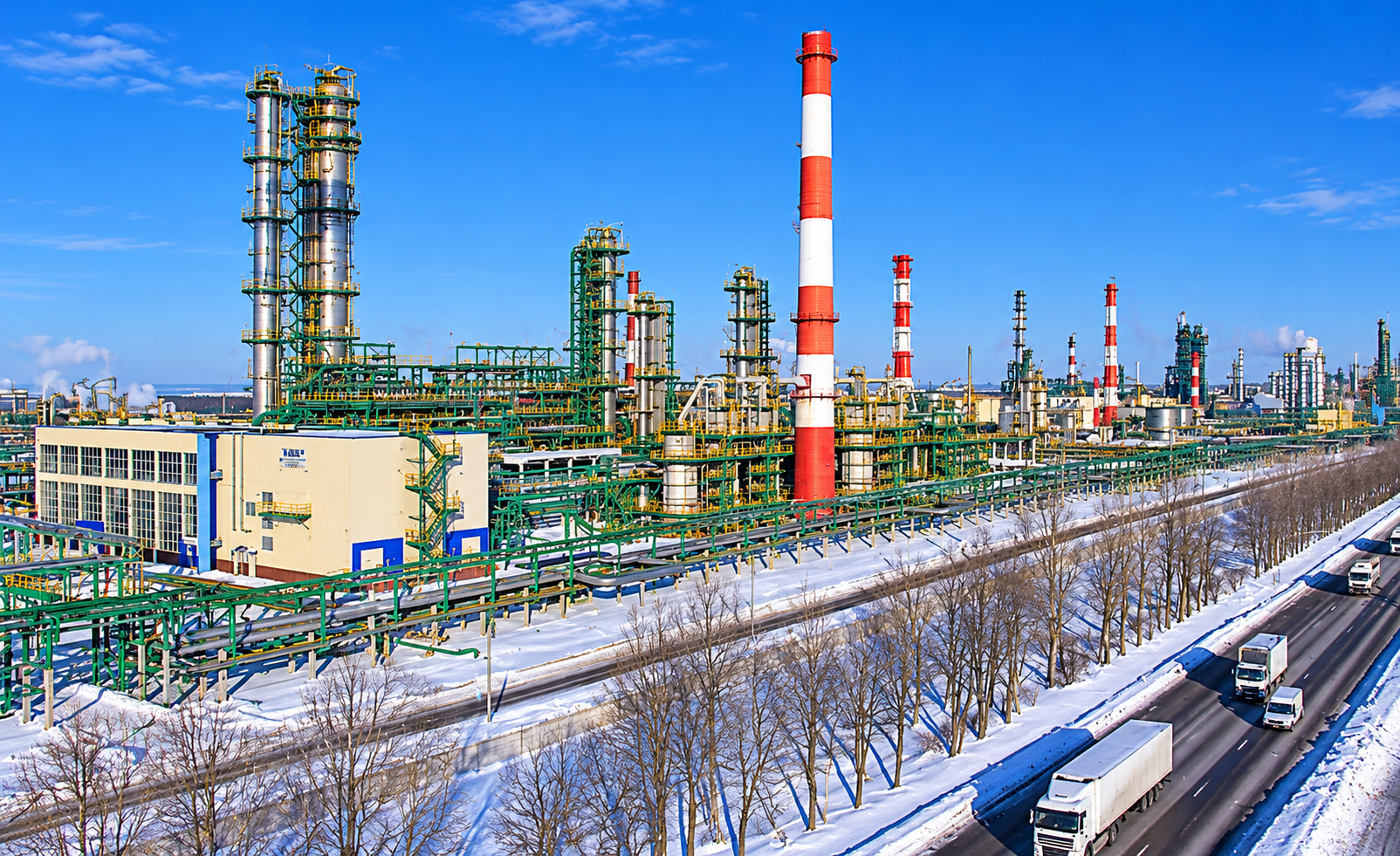
Russia has approved a Rosatom project to add a capable of making up to 500 tons annually at the Alabuga-Volokno site in Tatarstan. Documents reviewed by officials and cited by Politico connect the May approval to a broader effort to increase Russian weaponized-drone output.
Commercial satellite imagery cited in that reporting shows the adjacent project area being cleared between May and July, while separate August imagery examined by weapons expert David Albright indicated that foundation preparation was underway. The line is planned for completion in 2027, making the visible site work an early test of whether Russia can deliver the upstream materials expansion on schedule.
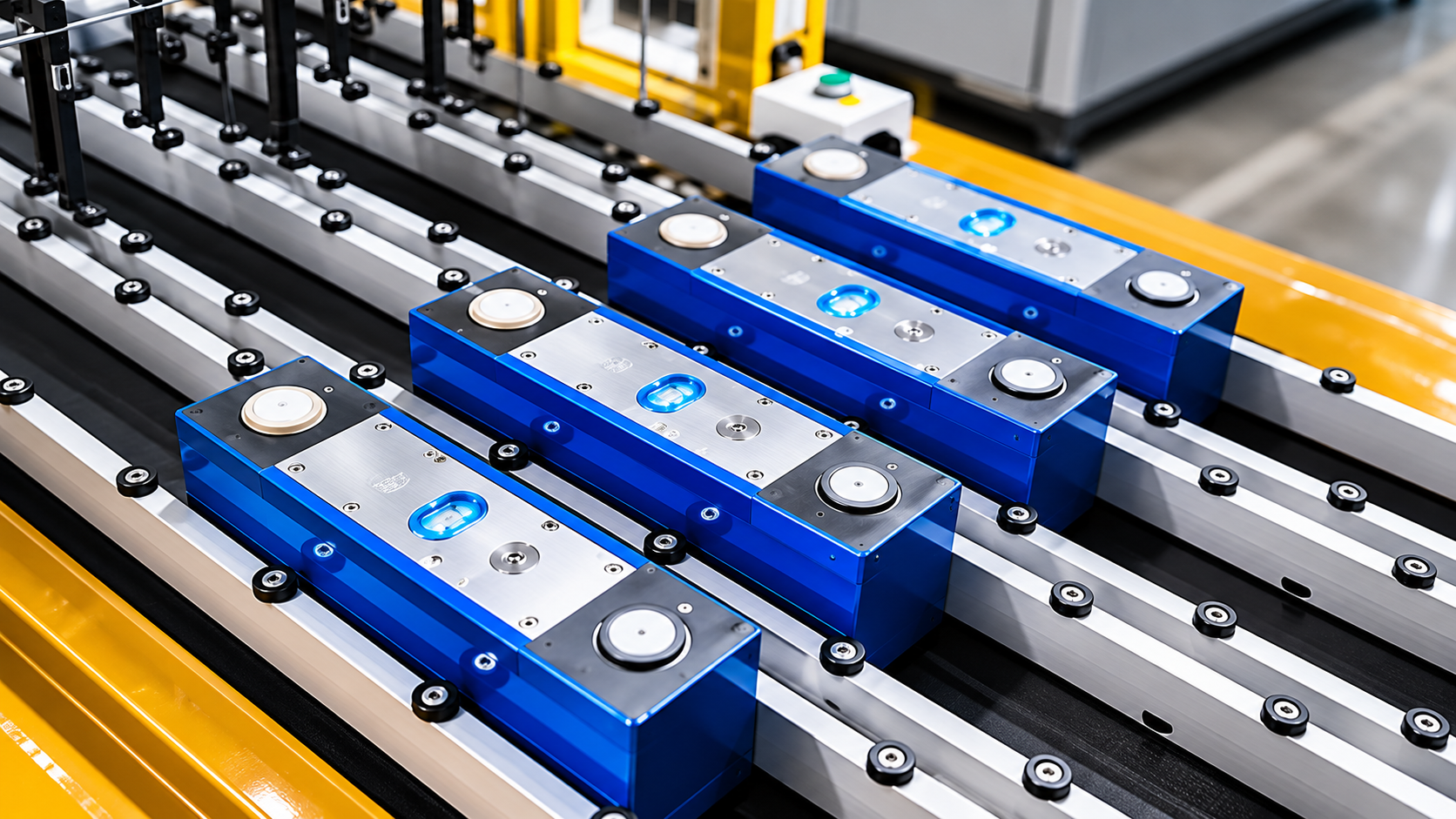
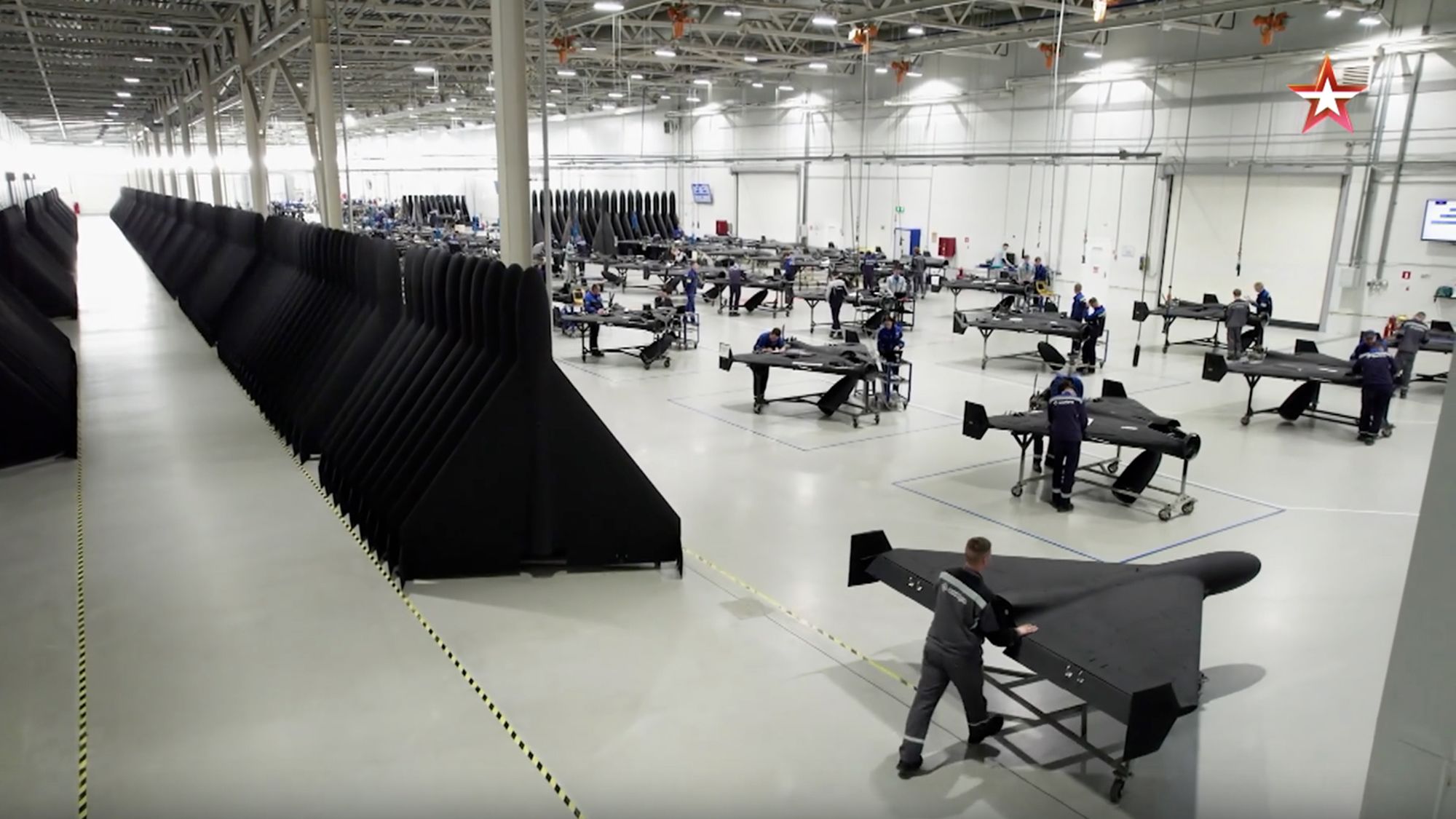
The project matters because drone output is not determined by final assembly capacity alone. Composite airframes require a chain that begins with raw materials and proceeds through fiber production, intermediate products, molding, curing, machining, inspection and final integration. Adding carbon-fiber capacity would move one part of that chain closer to the drone-production complex associated with Alabuga.
That does not mean 500 tons of nominal annual capacity can be translated directly into a specific number of drones. The available documentation does not establish what share of the new line’s output will go to unmanned aircraft, what grades and formats it will produce, or how much usable material each airframe requires. Production capacity on paper also differs from qualified output delivered consistently at industrial scale.
An upstream expansion, not a complete solution
Carbon fiber offers high stiffness and strength for relatively low mass, which can make it useful in airframes where structural weight competes with fuel, propulsion, electronics and payload. But fiber alone is not a finished composite structure. Resin systems, tooling, controlled processing, quality assurance and trained labor remain necessary, as do engines, navigation hardware, communications equipment and power electronics.
That distinction is important when judging the new line. It could reduce dependence on a constrained structural input or provide room for higher production, but it cannot by itself remove every bottleneck in completed-drone output. A shortage of one difficult-to-substitute engine or electronic module can still hold down deliveries even when airframe material is available.
The location nevertheless gives the project industrial significance. Building beside the existing Alabuga-Volokno carbon-fiber factory can potentially use established utilities, workforce and processing experience rather than creating an isolated greenfield supply chain. The visible clearing and reported foundation work indicate that the project has moved beyond an administrative approval, although neither imagery nor construction activity proves the line will meet its planned 2027 completion date or rated capacity.
The schedule is also demanding. Albright, who independently reviewed August satellite imagery, said rapid construction would be required to finish in 2027. After the building is erected, production equipment must still be installed, commissioned and brought to stable output. For composite materials, usable capacity depends not only on tonnage but also on repeatable material properties and quality suitable for the intended manufacturing process.
Why the timing raises the stakes
The expansion arrives as Ukrainian intelligence describes Russian missile manufacturing as running above plan and an August target of 11,000 strike drones across several families. Those claims have not been independently verified, but they frame the carbon-fiber project as part of a wider attempt to sustain production rather than as a stand-alone materials investment.
Russia is also reportedly reconfiguring manufacturing around faster, turbojet-powered Geran-4 and Geran-5 drones. A CSIS analysis describes those models as a structural departure from earlier efforts to fit more performance into the original airframe. That shift helps explain why composite capacity can matter: redesigned, reinforced airframes impose different production demands from incremental subsystem swaps.
The public consequence is a contest between industrial throughput and defensive capacity. If completed-drone production keeps pace with use, Ukraine cannot count on an inventory-driven pause to relieve pressure on air defenses and protected infrastructure. Yet the decisive measure will not be the approved 500-ton figure alone. It will be whether the line reaches qualified output in 2027 while the rest of the drone supply chain propulsion, electronics, tooling, labor and assembly keeps pace.
| More aerospace and engineering stories, right in your MSN feed. Follow AMI on MSN |
By David Whitaker — Associate editor for AMI’s aerospace and drone systems desk, translating flight systems, aircraft programs, spaceflight, and UAV developments into accessible technical stories.