

Swiss F-35 Deal Lacked Guaranteed Price, Risks Billion-Franc Increase
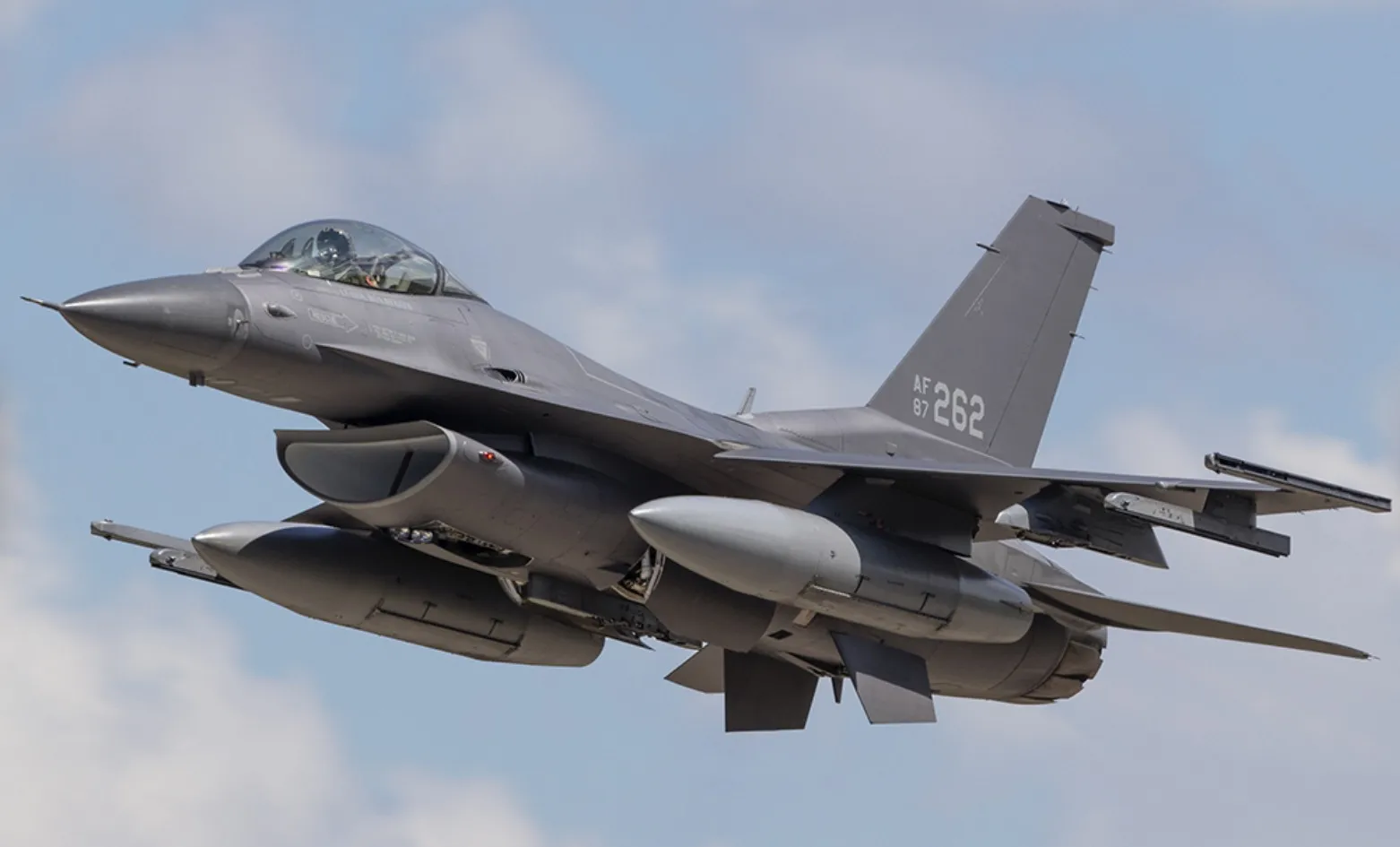
Switzerland’s purchase of 36 F-35A fighters was repeatedly described as a fixed-price deal, but a parliamentary oversight investigation found that no enforceable, flat-rate price had been agreed with the United States. The acquisition now risks costing about one billion Swiss francs more than planned, according to findings covered by Swissinfo.

The central issue is not simply that a long-running aircraft program became more expensive. It is that Switzerland’s defense department reportedly continued presenting the roughly six-billion-franc purchase as protected by a fixed price after U.S. officials had made clear that they could not provide an unconditional guarantee.
A contract clause was not a cost guarantee
The distinction matters because a contract can contain language addressing price without transferring every future cost risk to the seller or supplying government. The Business Audit Commission found that the F-35 agreement included a special clause concerning the asserted fixed price. But U.S. officials reportedly told Swiss procurement official Darko Savic that no actual price guarantee existed.
Those officials said an unconditional guarantee would violate U.S. law and treat other countries buying through the same system unfairly. In practical procurement terms, that meant the clause did not necessarily compel the United States to absorb later increases in production costs. Calling the package “fixed price” therefore communicated a much stronger form of budget protection than the investigation found Switzerland possessed.
This is especially consequential in a multinational fighter program. Aircraft are ordered years before delivery, and the final public cost can depend on future production terms. A buyer may have a defined planning figure or contractual language intended to constrain costs without having an enforceable ceiling covering every subsequent increase. For taxpayers, those are materially different arrangements: one sets an expectation, while the other determines who ultimately carries the financial risk.
The warning did not move cleanly through government
The information trail identified by the commission adds a governance failure to the pricing dispute. Switzerland’s Federal Department of Defence, Civil Protection and Sport received a U.S. non-paper in December 2024 warning that additional costs were possible. Then-defense chief Viola Amherd informed the rest of the Federal Council two months later.
The commission also found no evidence that Savic passed onward the earlier U.S. explanation that a guaranteed price was unavailable. That is not proof of motive or misconduct, but it identifies a serious control problem: information capable of changing the government’s understanding of a major procurement apparently did not reliably reach all decision-makers.
The oversight report said the negotiations lacked adequate organization and close departmental supervision. It also found that an unusually small group handled the process and that, during some stages, even a basic dual-control principle was absent. For a purchase involving 36 advanced aircraft and billions in public funds, such a second-review mechanism is less bureaucracy than a safeguard against one interpretation of contract language becoming institutional fact.
The commission described Amherd’s leadership as “inadequate.” Amherd announced her resignation in January 2025, effective at the end of March, while Savic submitted his resignation on January 8, 2025. Neither commented to Tamedia. Their departures do not resolve the contract question, and the commission’s assessments remain attributed findings rather than proof of personal wrongdoing.
The budget now carries the unresolved risk
The possible additional one billion francs is not a finalized overrun. Parliament has, however, approved a CHF394 million supplementary credit for the F-35 procurement as part of a broader CHF3.4 billion armed-forces package. Officials have also indicated that higher costs could reduce the purchase from the originally planned 36 aircraft to around 30, illustrating the basic tradeoff: add public funding, reduce quantity or find savings elsewhere in the defense budget.
That tradeoff reaches beyond the F-35 itself. Money used to preserve aircraft numbers cannot simultaneously support other procurement, infrastructure or readiness requirements. Conversely, cutting the fleet would change the amount of capability delivered for the original political commitment. The pricing description therefore affected not only public confidence but also how lawmakers and taxpayers could evaluate the program against competing demands.
The aircraft program continues despite the dispute. Switzerland reported on September 22 that its first F-35A is in production, with the first eight aircraft scheduled to support Swiss pilot training in Arkansas from mid-2027. That physical progress makes the unresolved cost allocation more pressing: Switzerland is no longer debating an abstract proposal, but managing a procurement already moving through production without the unconditional price protection officials once said it had.
| More aerospace and engineering stories, right in your MSN feed. Follow AMI on MSN |
By David Whitaker — Associate editor for AMI’s aerospace and drone systems desk, translating flight systems, aircraft programs, spaceflight, and UAV developments into accessible technical stories.