Ukrainian Drone Attack Reportedly Halts Perm Refinery, Fourth Shutdown in Days
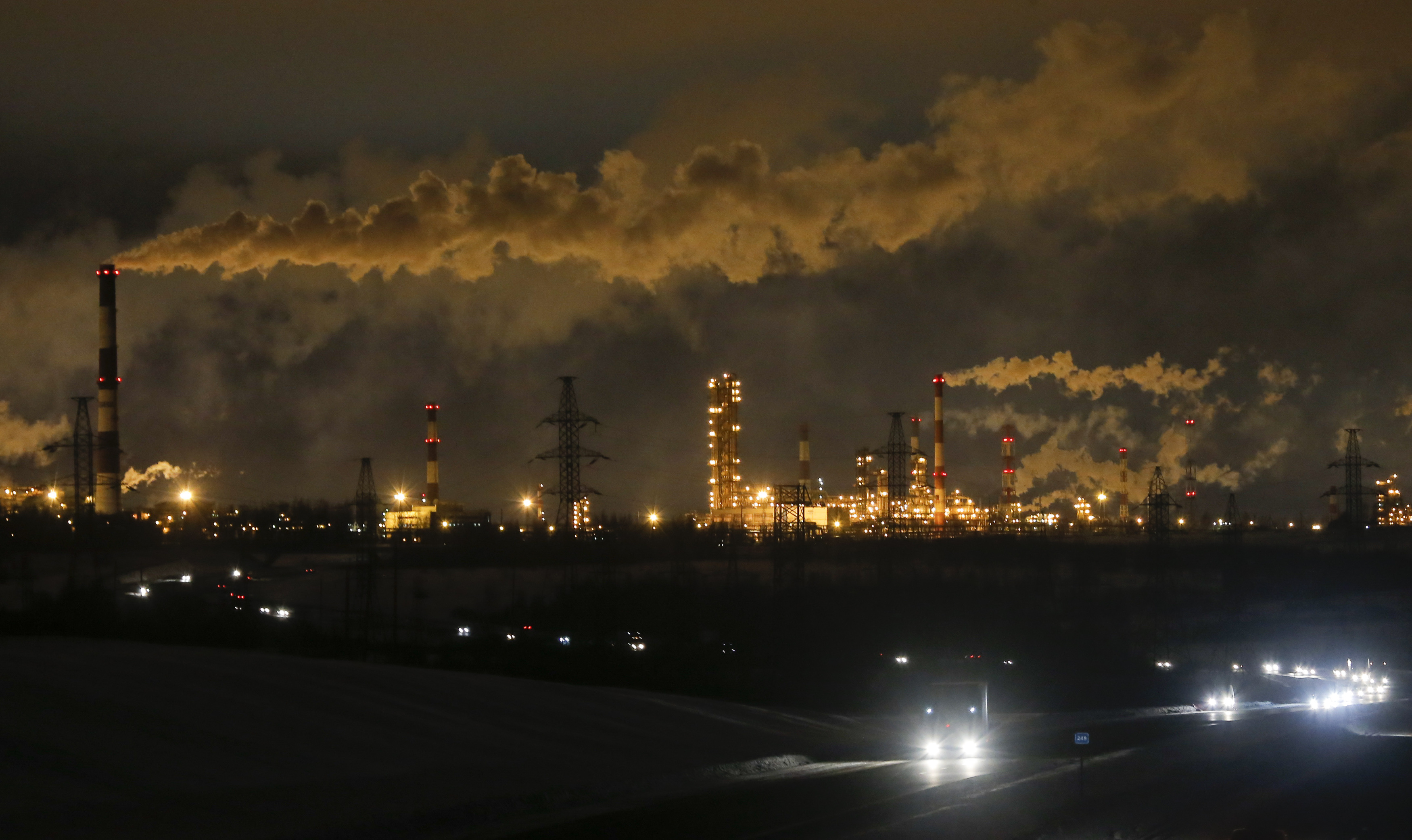
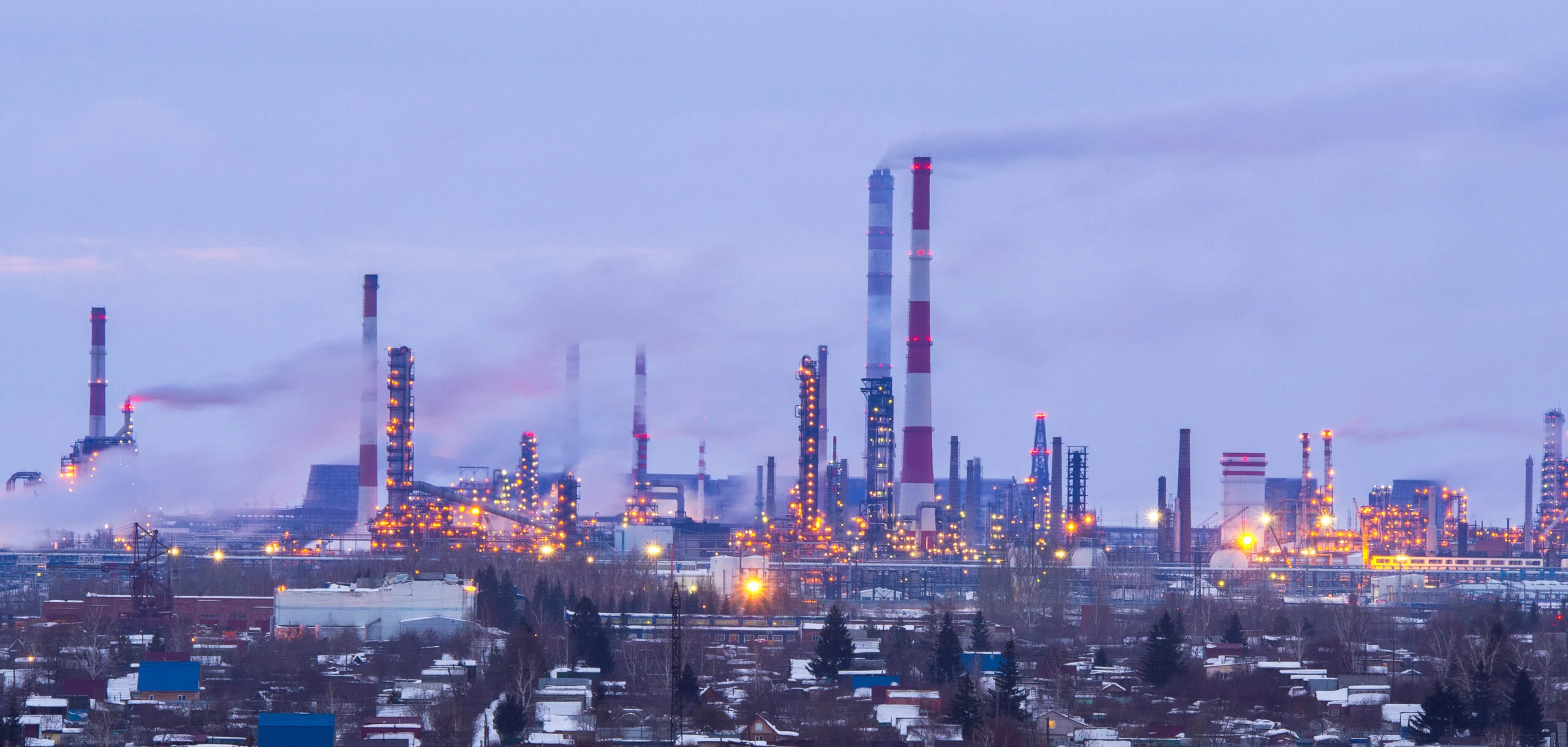
Four Russian refineries reportedly stopped operating in less than a week, with the latest shutdown involving the large LUKOIL Permnefteorgsintez plant in Perm. Reuters cited two industry sources saying operations halted after a Ukrainian drone attack on September 25, 2026, taking gasoline, diesel and aviation fuel production capacity offline at a time when Russia’s refining network was already operating under substantial strain.

Perm regional Governor Dmitry Makhonin confirmed a strike in the region and said emergency and operational services were working at the scene. However, regional authorities did not provide an official assessment of the refinery’s operating status or a timetable for restarting it. The reported shutdown, damage and responsibility therefore remain attributed claims rather than a complete official finding.
The scale matters. Perm is described as Russia’s seventh largest refinery by processing volume and handled approximately 12.6 million metric tons of crude oil in 2024. Another characterization puts annual processing above 13 million tons, but that apparent difference may reflect varying periods or definitions and cannot be resolved from the available information. The more specific 2024 figure provides the clearer benchmark.
A processing problem, not simply an oil-supply problem
A refinery outage does not necessarily remove crude oil from the market. It removes the industrial machinery needed to convert crude into usable products. That distinction is central to understanding why simultaneous shutdowns can affect motorists, freight operations and aviation even when crude remains available elsewhere in the system.
Refineries do more than separate crude into broad fractions. Their processing trains also raise the yield and quality of lighter fuels, including gasoline, diesel and aviation fuel. If several plants stop within days, remaining facilities must absorb more demand, inventories must cover the shortfall, exports may be curtailed, or finished fuel must be brought in from farther away. Each response carries limits in plant utilization, storage, transport and product specifications.
The Perm shutdown is particularly notable because the refinery lies more than 1,500 kilometers from the Ukrainian border. From a systems perspective, that distance broadens the geographic area over which Russia must maintain air defense readiness and industrial continuity. It does not establish that every refinery is equally exposed, but it does mean that distance alone cannot be treated as a sufficient layer of protection for major processing assets.
The pace also raises a manufacturing capacity problem for both sides. An average rate of one Russian refinery hit every three days during the first eight months of 2026, calculated by the International Energy Agency, indicates a sustained unmanned aircraft campaign rather than an isolated event. For Russia, that creates recurring demand for detection, interception, inspection, repair crews and replacement equipment across a dispersed industrial network. For Ukraine, maintaining that tempo implies an ongoing supply of long range unmanned systems, although the available information does not establish production numbers or mission success rates.
Existing data show why another outage compounds the strain
Before the reported Perm stoppage, the IEA estimated that Russia had about 6.5 million barrels per day of installed refining capacity across 32 major refineries. It said throughput fell to 3.8 million barrels per day in June, the lowest level in more than 20 years and about 30% below the previous year. Reported gasoline output was down 20% from 2025, while estimated diesel production fell nearly 30%.
Those figures offer firmer context than a separate claim that roughly one third of Russian refining output has been disrupted, which is too broad to treat as a settled current total. Refinery capacity can be attacked, damaged, under repair or actually offline, and those categories should not be added together as though they measure the same thing. Operating throughput the crude actually processed is the more useful indicator of system performance.
The effects were already visible in supply policy and logistics. The IEA reported restrictions on gasoline, diesel and jet fuel exports as Russia sought to protect domestic availability. Separately, the Centre for Research on Energy and Clean Air estimated that Russia imported 172,000 metric tons of oil products in August, more than seven times the previous monthly high during its analysis period. Imports cannot by themselves prove a nationwide shortage, but they show that replacement fuel was being sourced from outside a country historically structured as a major refined product exporter.
Aviation fuel is one of the consequential outputs in this equation. The reported halt at Perm does not establish an airport level disruption, and no such operational consequence has been confirmed. It does, however, remove one source from a refining system that the IEA said had already imposed its first jet fuel export ban in June. That makes the duration and scope of the Perm outage more important than the initial report alone.
No restart date has been announced, and the extent of the refinery’s shutdown has not been officially detailed. Until those facts emerge, the strongest confirmed system level point is the accumulation: a large plant more than 1,500 kilometers from Ukraine reportedly became the fourth Russian refinery to stop within days, adding another unresolved outage to a network already processing crude at multidecade lows.
| More aerospace and engineering stories, right in your MSN feed. Follow AMI on MSN |
By Stephen Wallace — Editor for AMI’s aerospace integration and unmanned mobility coverage, focused on drone manufacturing, VTOL systems, autonomous networks, and air ground mobility links.