Russian Fuel Lines Hit 12 Regions Amid Ukrainian Drone Strikes
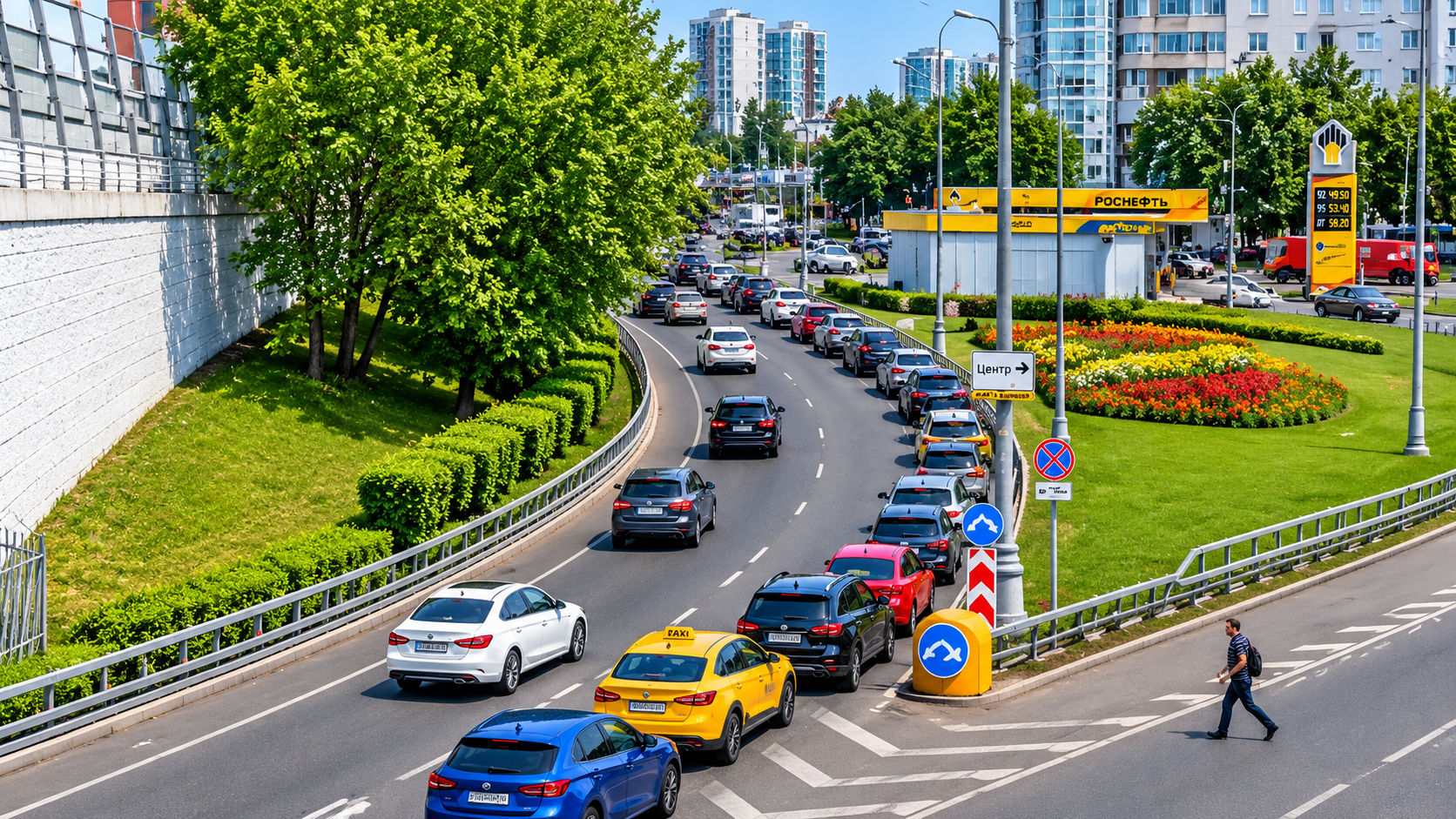
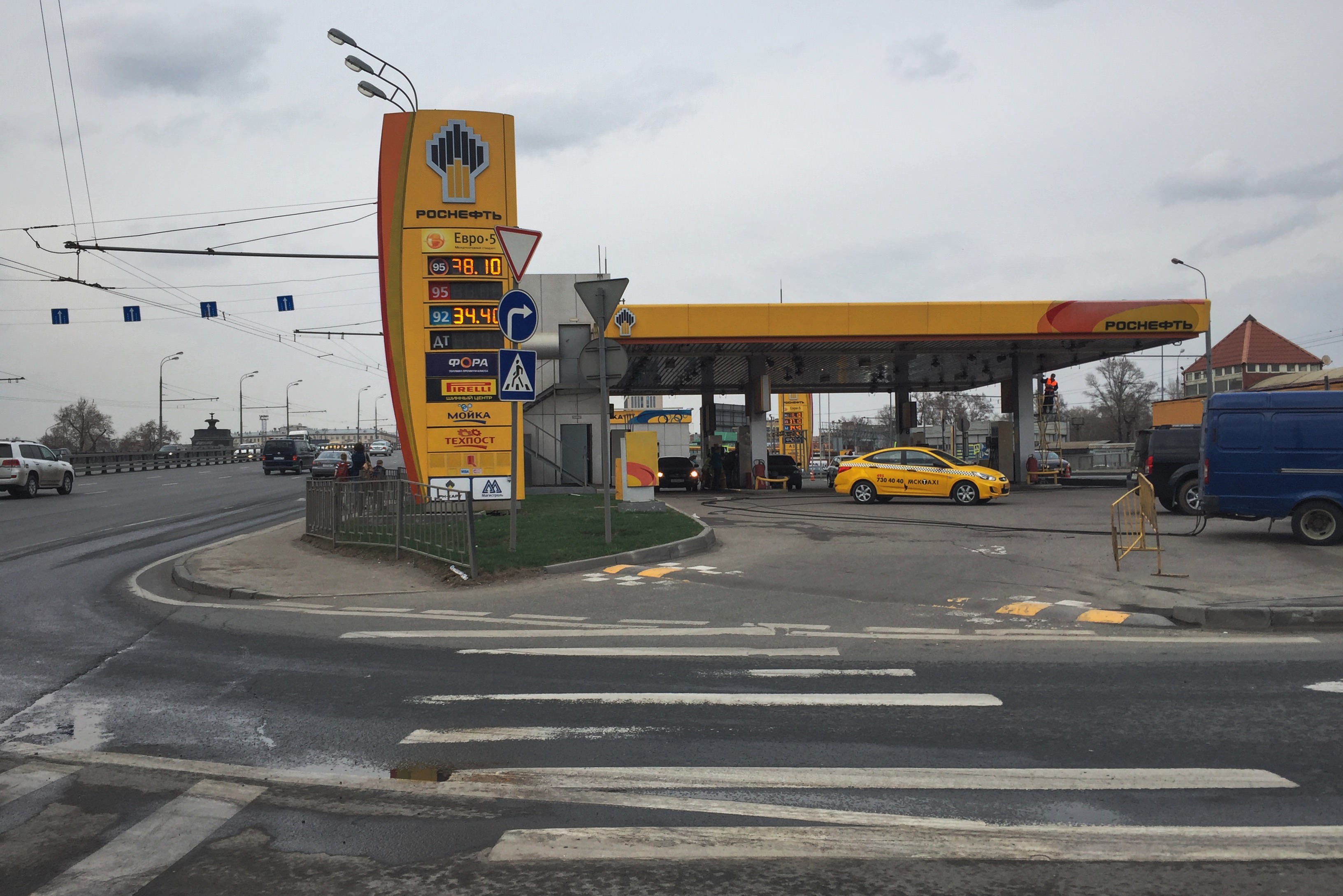
Russian officials called for “uninterrupted delivery” of gasoline even as motorists reportedly waited hours for fuel in at least 12 regions and local authorities restricted when and how much drivers could buy. The contradiction points to a supply network struggling to move available fuel to the places that need it, not simply a uniform nationwide loss of gasoline.

The early August disruption included reported lines in Krasnodar and Primorsky territories and the Voronezh, Kaluga, Rostov, Ryazan, Tambov, Tula, Saratov, Smolensk, Penza and Ulyanovsk regions. Meduza linked the renewed shortages to Ukrainian drone strikes on Russian refineries, but Russian authorities had not officially established those attacks as the sole cause of the retail problems.
Regional measures showed how uneven the strain had become. On August 11, the Sochi city administration blamed limits at filling stations on “logistical disruptions in fuel supply” and asked residents and tourists to refrain from using personal vehicles whenever possible. Orenburg Region introduced a 30-liter gasoline cap, a 60-liter diesel cap and license-plate-based odd-even refueling from August 12. Lipetsk Region followed with odd-even access and a 30-liter limit at stations operated under several major brands from August 13.
Why refinery losses can spread far beyond a plant
A refinery disruption and a retail shortage are related but not identical events. Crude oil must first be processed into specific fuels, after which gasoline and diesel move through storage depots, rail links, pipelines, truck fleets and regional terminals before reaching filling stations. A country may still possess crude and operating refinery capacity while particular regions run short of the correct finished product.
Inventories can absorb a brief interruption, but that buffer shrinks when production remains reduced, repairs take longer or seasonal demand rises. Replacing local output with fuel from another refinery also consumes transport capacity and time. Remote regions face a further disadvantage because longer delivery routes make rapid reallocation harder, while supplies may be directed toward larger population centers or other priority users.
That mechanism helps explain why reports from Moscow and St. Petersburg were limited while shortages and station closures were also reported in Krasnoyarsk Krai and Bashkortostan. It does not prove that every empty pump shared the same cause. Local storage levels, transport delays, purchasing behavior and station level allocation can produce sharply different conditions even within one national market.
Output data show pressure behind the distribution problem
The broader production picture supports concern about a constrained system. A September International Energy Agency analysis said Russian refinery throughput fell to 3.8 million barrels per day in June, its lowest level in more than 20 years and roughly 30% below the previous year. The agency reported gasoline output down 20% from 2025 levels and estimated that diesel production had fallen nearly 30%.
Kpler separately estimated refinery runs at about 3.8 million barrels per day in July, also a two decade low, with only a limited recovery expected while repairs continued. These national estimates do not quantify the exact fuel available to each affected region in early August, but they establish a reduced production margin. With less surplus in the network, an ordinary delivery delay or demand spike becomes harder to cover without queues or rationing.
The frequency of the drone campaign adds another industrial constraint. The IEA calculated that a Russian refinery was hit, on average, once every three days during the first eight months of 2026. Protecting numerous geographically dispersed plants, inspecting affected equipment and sustaining repairs compete for personnel, components and other resources. That creates readiness pressure even when an incident does not halt an entire refinery.
Refiners reportedly responded by delaying maintenance, accelerating repairs and returning mothballed equipment to service. Those measures can restore volume, but they leave less scheduling flexibility and make reliability increasingly dependent on successful repairs. The IEA consequently lowered its forecast for average Russian refinery throughput to 4 million barrels per day for the remainder of 2026 and for 2027.
Orders cannot remove physical bottlenecks
Deputy Prime Minister Alexander Novak convened an August 11 domestic fuel meeting after which government agencies, regional authorities and oil companies were instructed to coordinate supplies, monitor prices and maintain deliveries. Coordination can redirect available fuel and reduce regional imbalances, but it cannot immediately replace lost processing output, refill depleted storage or shorten long transport routes.
The odd-even schedules and purchase caps therefore function as demand management tools. They can reduce crowding, slow inventory depletion and give delivery systems more time to catch up, but they also transfer the disruption directly to motorists. In Sochi, that consequence became explicit when officials asked residents and tourists to limit personal vehicle use.
The central uncertainty is how much of each local shortage came from refinery interruptions and how much came from distribution, inventory and demand conditions. What is already clear is the operating consequence: a system ordered to deliver fuel without interruption was simultaneously relying on 30-liter caps, police assisted station coordination and license plate schedules to keep regional supplies functioning.
| More aerospace and engineering stories, right in your MSN feed. Follow AMI on MSN |
By Stephen Wallace — Editor for AMI’s aerospace integration and unmanned mobility coverage, focused on drone manufacturing, VTOL systems, autonomous networks, and air-ground mobility links.