SpaceX Starship Reaches Orbit, Deploys 26 Satellites Despite Engine Shutdown
An engine shutting down too early nearly stopped SpaceX from sending Starship into orbit. Instead, flight controllers determined that the engine was no longer required, cleared the spacecraft to continue and achieved the vehicle’s first orbital insertion on Sept. 28, 2026.
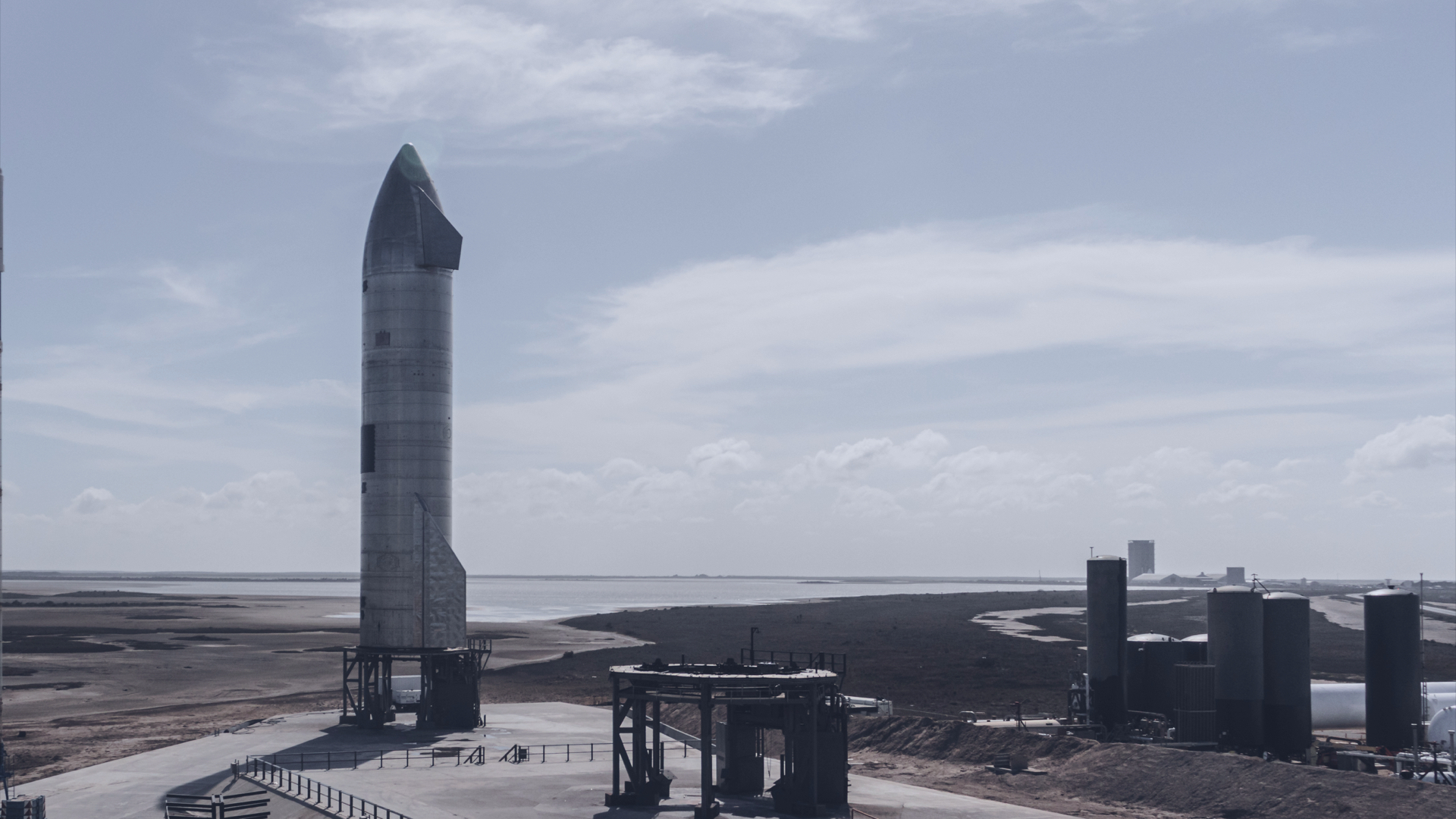
Mission Control announced that “Starship is orbital” during the launch system’s 14th full-scale test flight from Starbase, Texas. The spacecraft then deployed 26 next-generation Starlink satellites, its first operational payload delivered in orbit. That combination not merely crossing into space moved Starship beyond the suborbital missions that preceded Flight 14.
Why the engine shutdown did not end the attempt
The shutdown initially cast doubt on whether Starship could proceed. Its upper stage had lost one of its six engines prematurely during ascent, but controllers concluded that the affected engine would not be needed again after its first burn. They therefore allowed the spacecraft to conduct the maneuver required to enter orbit.
That decision was not an unrestricted demonstration that Starship can simply absorb any engine failure. It was a mission-specific judgment based on when the shutdown occurred, which engine was affected and what propulsion work remained. The confirmed result is narrower but still important: controllers assessed the spacecraft’s condition, retained enough usable capability for the planned insertion and continued rather than defaulting to the earlier Indian Ocean trajectory.
That conditional decision had been built into the flight profile. Starship was initially placed on a trajectory that could carry it toward an Indian Ocean splashdown, giving controllers time to evaluate vehicle health before committing it to orbit. SpaceX had said orbital insertion would proceed only if critical hardware retained enough redundancy for the later deorbit maneuver.
The mission operated under authorization issued by the Federal Aviation Administration for Flight 14 launch and reentry operations. The agency’s broader Starship licensing framework evaluates public safety, payload contents, insurance, environmental effects and national-security or foreign-policy considerations.
Satellite deployment changes the test’s practical value
Earlier Starship flights had reached space but remained suborbital, traveling no farther than the Indian Ocean before returning. Flight 13 carried short-lived Starlink test spacecraft, but they were not placed into lasting orbit. Flight 14’s release of 26 operational Starlink satellites therefore demonstrated the basic sequence expected of a working launch vehicle: reach orbit and deliver a useful payload.
The deployment matters directly to SpaceX because larger Starlink satellites are a principal near-term workload envisioned for Starship. About 11,000 older Starlink spacecraft were already providing internet service, while the 26 satellites aboard Flight 14 represented the network’s latest generation. Three carried cameras intended to help inspect Starship’s heat shield after separation, allowing the payload mission to support vehicle testing as well.
Orbit also exposes Starship to a longer and more demanding operating cycle than its previous roughly hour-long suborbital flights. SpaceX planned to use the orbital coast to gather vehicle-performance data and test remote inspection of the heat shield. The heat-protection system had been modified after the previous Starship was recovered from the Indian Ocean in July and inspected.
Orbit was achieved, but the full test was not yet complete
SpaceX planned six circuits of Earth at an altitude of roughly 170 miles, or 275 kilometers, during a mission lasting almost 10 hours. A deorbit burn and Pacific Ocean splashdown near Chile were intended to close the flight. Those stages were still underway in the account available after satellite deployment, so reaching orbit did not establish that the complete six-orbit profile or return had succeeded.
The Super Heavy first stage was also directed toward the Gulf of Mexico rather than back to Starbase. SpaceX’s decision to avoid a launch-site return kept this flight focused on orbital operations without adding the risks and requirements of bringing the 407-foot launch system’s stages back over land.
Starship’s orbital progress is relevant beyond SpaceX’s broadband network. NASA expects a version of the spacecraft to support its Artemis lunar architecture, where orbital operations, docking and eventually more complex propulsion tasks will be required. Flight 14 did not demonstrate those lunar capabilities, nor did it complete Starship’s fully reusable design objective.
It did establish the prerequisite beneath all of them: Starship reached orbit and released 26 operational satellites after an engine anomaly threatened to stop the attempt. The remaining measure of Flight 14 was whether the spacecraft could complete its planned orbital operations and controlled return.
| More aerospace and engineering stories, right in your MSN feed. Follow AMI on MSN |
By David Whitaker — Associate editor for AMI’s aerospace and drone systems desk, translating flight systems, aircraft programs, spaceflight, and UAV developments into accessible technical stories.