SpaceX Reportedly Plans Crew Dragon Exit After 2030, Risking Transport Gap
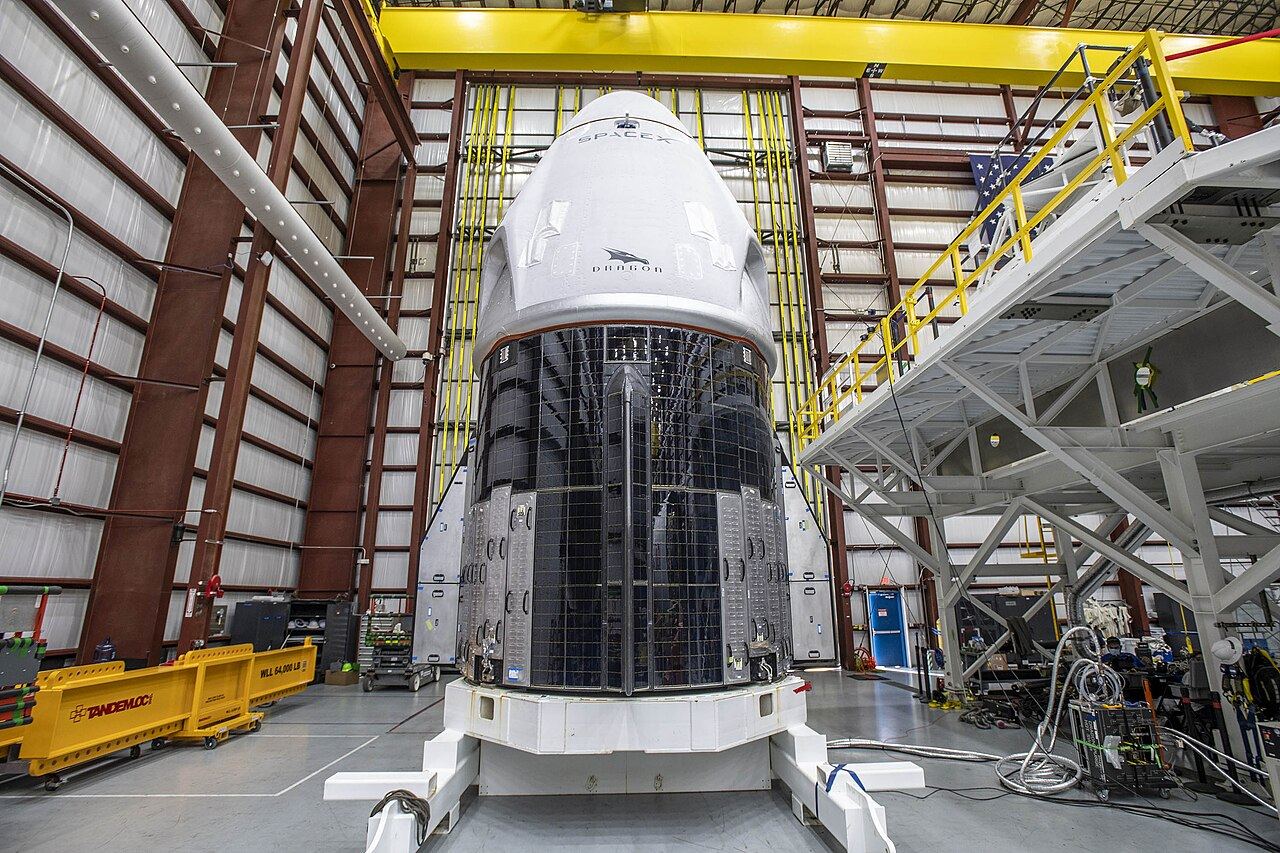
NASA wants privately operated space stations to replace the International Space Station, but the spacecraft that now provides its proven U.S. astronaut service reportedly will not fly to them. Industry reporting in 2026 indicates that SpaceX intends to support the ISS through 2030 and then retire Crew Dragon rather than accept missions to proposed commercial stations.

SpaceX has reportedly told NASA that it no longer wants to operate Crew Dragon or Falcon 9 on low-Earth-orbit missions after ISS support ends. Axiom Space, Voyager Space and Vast Space have also reportedly been told they cannot order Crew Dragon flights for their planned habitats. Those intentions have not been presented as a public, binding SpaceX decision, leaving the precise timing, contractual position and possibility of alternatives unresolved. The reporting also does not establish that Falcon 9 would be retired from every type of mission.
The potential gap exposes a basic constraint in NASA’s commercial-station strategy: an orbital habitat is not a complete transportation system. A station needs a certified crew spacecraft, a compatible human-rated rocket, launch infrastructure, trained flight teams, recovery capability and enough recurring missions to keep that entire chain operating. A station may be technically ready to receive astronauts and still have no practical way to get them there.
NASA has spent roughly two decades trying to build that broader market. Its early commercial cargo effort sought to “stimulate efforts within the private sector to develop and operate safe, reliable, and cost-effective commercial space transportation systems.” The agency later expanded the concept to cover privately operated stations, research, manufacturing, tourism and transportation, with NASA becoming one customer rather than the sole owner of the destination.
NASA’s low-Earth-orbit economy strategy still treats private astronaut missions and commercial stations as parts of the same ecosystem. In April 2024, the agency said it supported “a robust commercial space economy” and remained committed to industry collaboration. The reported Crew Dragon exit shows why those pieces cannot be developed independently: transportation availability sets the operating boundary for every station business plan.
Starliner is the clearest prospective alternative, but it is not ready yet
Boeing’s Starliner is the other major U.S. spacecraft intended for commercial crew transportation. According to a NASA and Boeing program update, the current plan calls for an uncrewed Starliner-1 engineering mission as early as December 2026 or January 2027, followed by a return to astronaut flight on Starliner-2 in 2028. NASA says it intends to use the program for both the ISS and future commercial destinations.
That schedule leaves little margin before the station’s planned 2030 retirement. Starliner-1 must validate thermal changes and generate propulsion-system performance data. NASA and Boeing then plan to finish further valve modifications and complete the testing and certification needed for crewed operations. The spacecraft’s launch path must also change: its existing Atlas V rocket is nearing the end of its available inventory, so United Launch Alliance’s Vulcan must be certified for human spaceflight.
Even a successful return to crewed flight would not automatically make Starliner a drop-in commercial replacement for Dragon. A provider must be able to manufacture and refurbish spacecraft, buy launches, maintain ground and mission-control organizations, meet station schedules and offer terms that habitat operators can sustain. Certification proves that a system can perform the mission; it does not by itself guarantee enough vehicles, launches or customers to support a durable service.
That distinction matters because NASA’s intended market spans more than government research. Manufacturing, tourism and private research all depend on predictable access, while each station developer must coordinate docking interfaces, mission duration, emergency planning and crew support with whichever transportation system is available. Losing the established Dragon option would concentrate those requirements around an alternative that has yet to complete certification.
NASA is simultaneously placing greater emphasis on lunar operations, but moving agency priorities outward does not remove the transport requirement closer to Earth. If NASA still wants astronauts conducting research aboard commercial stations after the ISS, either Crew Dragon’s reported exit plan must change, Starliner must mature into a recurring service, or another provider must emerge with both a crew spacecraft and a human-rated launch system.
The next concrete test is Starliner-1, targeted for late 2026 or early 2027. Its results will help determine whether NASA’s post-ISS station transition has the foundation of a second U.S. crew service or remains dependent on a spacecraft whose operator reportedly plans to leave that market.
| More aerospace and engineering stories, right in your MSN feed. Follow AMI on MSN |
By David Whitaker — Associate editor for AMI’s aerospace and drone systems desk, translating flight systems, aircraft programs, spaceflight, and UAV developments into accessible technical stories.