Ukrainian Drone Strikes Reportedly Leave Russian Gasoline Output 30% Below Demand
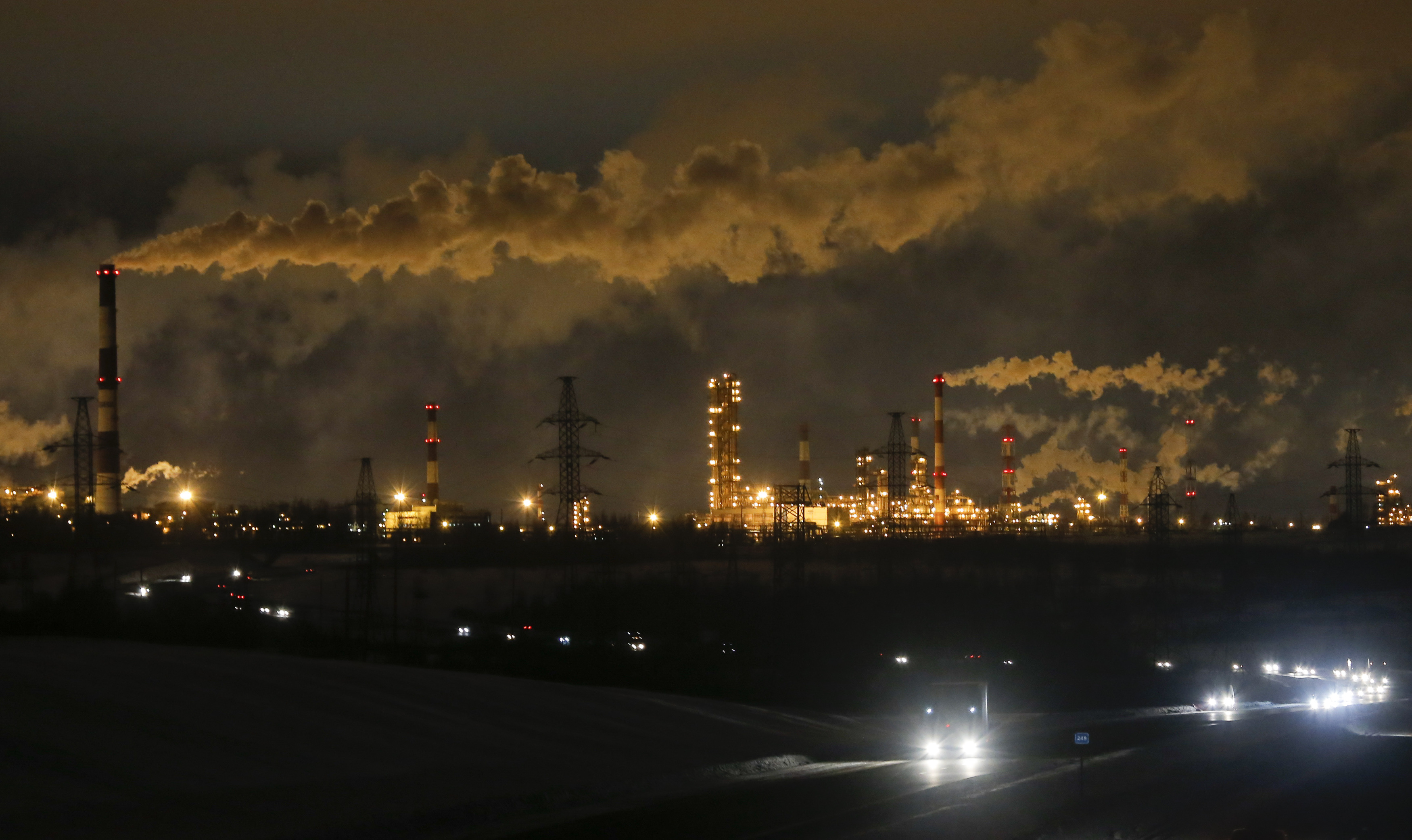
About 80,000 tons per day of gasoline production against estimated demand of 115,000 tons: that late-August comparison leaves Russia’s reported output roughly 35,000 tons per day short, sufficient to cover only about 70% of consumption. Repeated Ukrainian drone strikes are reported to have contributed to the reduction in refinery capacity, turning physical disruption at industrial plants into a nationwide fuel-supply problem.
The deficit persists despite imports and restrictions on fuel exports intended to retain more supply at home. At the Eastern Economic Forum in Vladivostok on September 3, Russian President Vladimir Putin said only about 10% of refinery restoration work remained. Yet he did not rule out recurring shortages, saying the country “must be prepared for anything.” Production figures, the share of lost capacity attributable directly to strikes and the repair estimate cannot all be independently confirmed.
A production gap that repairs alone may not close
A refinery can be described as nearly restored without the national fuel system returning to balance. Restoration percentages do not necessarily reveal which processing functions remain unavailable, what output repaired equipment can sustain or whether another plant has gone offline. The important system-level measure is saleable fuel production, not simply the portion of repair work declared complete.
The International Energy Agency’s September assessment provides broader support for the capacity-pressure picture. It estimated that Russian refinery throughput fell to 3.8 million barrels per day in June, its lowest level in more than 20 years and approximately 30% below the previous year. The agency also estimated that gasoline output was down 20% from 2025 and diesel production nearly 30% lower.
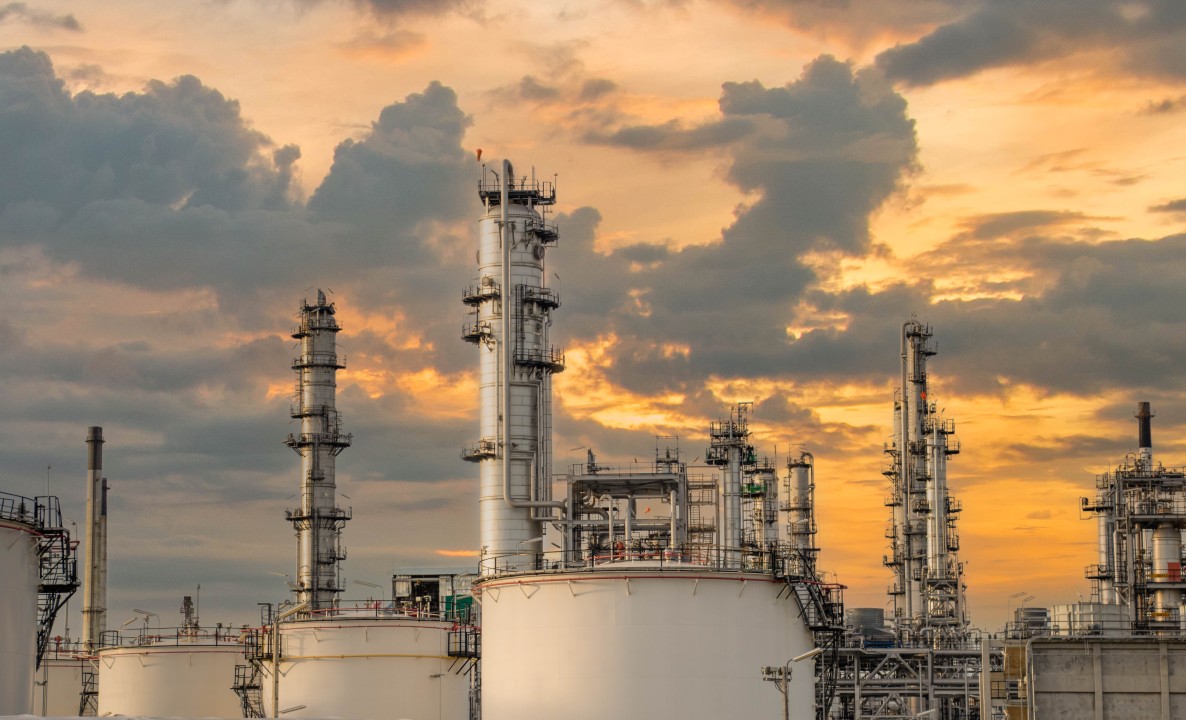
Those figures describe an industrial resilience problem rather than a single outage. Russia has 32 major refineries and about 6.5 million barrels per day of installed refining capacity, according to the IEA. Sustained disruption across that network can create overlapping repair, maintenance and staffing demands. Delaying scheduled maintenance or returning mothballed equipment to service may support near-term output, but it does not eliminate the reliability burden created by repeated interruption and accelerated restoration work.
Imports provide volume but add logistical pressure
Russia has sought additional fuel from Belarus and Asian suppliers while limiting exports. Belarusian gasoline shipments by rail reportedly exceeded 181,000 metric tons in June, three times the May volume, while diesel deliveries rose to more than 77,000 tons. Those flows can relieve regional shortages, but imported fuel must still be transported through a distribution system built around large domestic refineries.
The shift became more pronounced in August. The Centre for Research on Energy and Clean Air estimated that Russia imported a record 172,000 tons of oil products that month, more than seven times the previous monthly high during the period it examined. Gasoline represented 74% of those imports, compared with 6% from 2023 through 2025. That reversal matters because imports impose added transport, handling and scheduling costs on a country that historically produced large quantities of refined fuel domestically.
Export restrictions reveal another boundary. They can redirect available gasoline and diesel toward Russian consumers, but they cannot manufacture missing refinery output. They also reduce the system’s flexibility: less fuel can leave the country, while replacement supplies must enter through rail or maritime routes and then reach the regions where shortages occur.
Drone defense now competes with repair and production
The refinery pressure also expands the mission assigned to infrastructure defense. Putin acknowledged that Moscow had incorrectly assumed civilian energy facilities would not be attacked during the conflict and called for stronger air defenses. At a national scale, that creates a demanding allocation problem. Refineries are large, fixed industrial sites, while defensive systems, trained crews, sensors and maintenance capacity are finite resources also required elsewhere.
There is an important uncertainty around all current measurements. Russia has tightened restrictions on public reporting of refinery production and export logistics, making outside verification more difficult. The 80,000-ton daily gasoline estimate should therefore be treated as reported rather than definitive, and claims about completed repairs do not establish restored production by themselves.
The strongest observable test will be whether domestic gasoline output moves back toward the estimated 115,000 tons per day of demand while imports and export controls recede. Until then, the gap between nearly completed repairs and production covering only about 70% of consumption remains the clearest measure of pressure on Russia’s refining system.
| More aerospace and engineering stories, right in your MSN feed. Follow AMI on MSN |
By Stephen Wallace — Editor for AMI’s aerospace integration and unmanned mobility coverage, focused on drone manufacturing, VTOL systems, autonomous networks, and air-ground mobility links.