Boston Logan Asks Airlines to Carry Extra Fuel as Storm Blocks Ships
Extra fuel can protect a flight from a shortage at its destination, but carrying it creates another problem: fuel itself is heavy. Boston Logan International Airport is now relying on that tradeoff after a nor’easter prevented fuel ships from reaching the airport, prompting its fueling consortium to ask airlines to bring additional fuel aboard inbound aircraft.

The practice, known as tankering, lets an arriving aircraft draw less fuel from Logan’s constrained reserves before its next departure. Massport, the airport operator, said Logan had enough fuel to get through the weekend but requested the precaution to reduce the local fueling load until marine deliveries could resume. Logan’s reserves were reported to be down to approximately two days.
Aircraft are carrying part of Logan’s supply chain
In a conventional turnaround, an aircraft arrives, unloads passengers and baggage, and takes on the fuel calculated for its next flight. Under Logan’s temporary arrangement, airlines can load additional fuel at the departure airport and retain enough after landing in Boston to reduce or potentially avoid the next fuel uplift there.
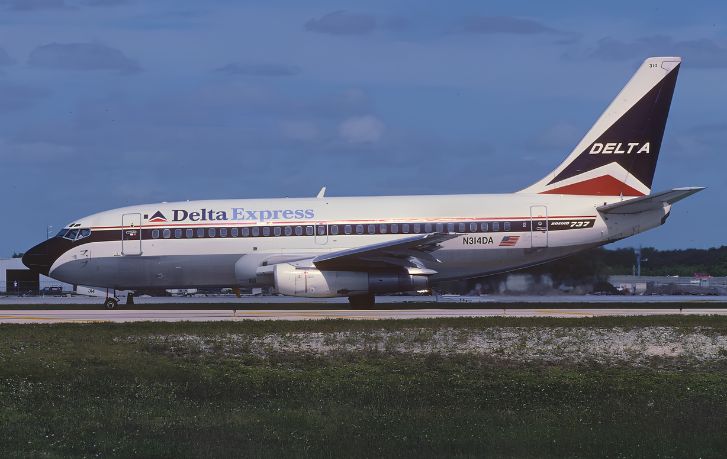
Delta described a related measure in its September 27 operational update: inbound aircraft were being allocated additional fuel for their next scheduled flight. The airline also said tanker trucks were transporting supplemental fuel where feasible. Limited truck deliveries from surrounding areas were reportedly supplementing the airport’s reserves more broadly.
This approach shifts demand rather than creating new fuel. Every gallon loaded somewhere else is a gallon Logan may not need to dispense, effectively using aircraft and trucks as temporary extensions of the airport’s interrupted marine supply chain. That can preserve departures while ships remain unable to reach Boston.
The workaround carries an aircraft-weight penalty
Tankering is not operationally free. Additional fuel raises takeoff weight, which generally causes the aircraft to burn more fuel during the inbound trip. It can also compete with passengers, baggage or cargo for the aircraft’s permitted weight margin, depending on the route, weather and dispatch calculation.
That makes tankering more practical on shorter flights. An aircraft operating a relatively short inbound sector may be able to carry fuel for both that flight and part of its next one without approaching the same constraints faced on a much longer route. The airline still pays an efficiency penalty, but the aircraft can deliver useful fuel capacity into Boston.
Transcontinental and long-haul operations have less flexibility because they already require substantial fuel loads. Adding enough fuel to materially reduce the next uplift can become difficult as route length, reserve requirements and payload demands increase. The same workaround that is useful on a short domestic flight may therefore offer much less relief for an aircraft arriving after several hours in the air.
Weather and fuel effects cannot yet be separated
JetBlue and Delta confirmed that operations were affected by the storm and fuel constraints. FlightAware data cited for Saturday indicated that approximately one-quarter of Logan’s flights were delayed or canceled. That figure should not be read as a count of fuel-related disruptions: the available information does not separate delays and cancellations caused by severe weather from those connected to the constrained fuel supply.
Delta said the nor’easter brought strong winds and heavy rain across the Northeast and expected a significant number of Boston cancellations on Sunday, September 27. In its later update, the airline expected additional cancellations on Monday, September 28, although fewer than on Sunday because of mitigation efforts. Passengers were advised to verify their reservations and flight status before traveling to the airport.
Possible intermediate fuel stops after departure from Boston were discussed publicly, but neither Massport nor the airlines confirmed that such stops were required. They remain a potential consequence rather than an established feature of the disruption.
Fuel barges were reportedly being held in New York City by the storm and were expected to resume deliveries as conditions improved. Until marine service returns, tankering can reduce Logan’s demand, but it cannot fully replace the high-volume supply route on which New England’s busiest airport depends especially for the longest flights with the least spare weight.
| More aerospace and engineering stories, right in your MSN feed. Follow AMI on MSN |
By Thomas Caldwell — AMI’s senior editor for mechanical and mobility engineering, covering vehicle electronics, systems integration, electrification, chassis systems, propulsion, and safety policy.