Russia Reports Fuel Restrictions Across 16 Regions After Ukrainian Drone Strikes
A major petroleum producer is importing refined fuel while filling stations across at least 16 Russian regions reportedly face shortages, closures or sales restrictions. By August 10, the constraints had spread to three more federal constituents amid renewed Ukrainian drone strikes on Russian refining infrastructure.

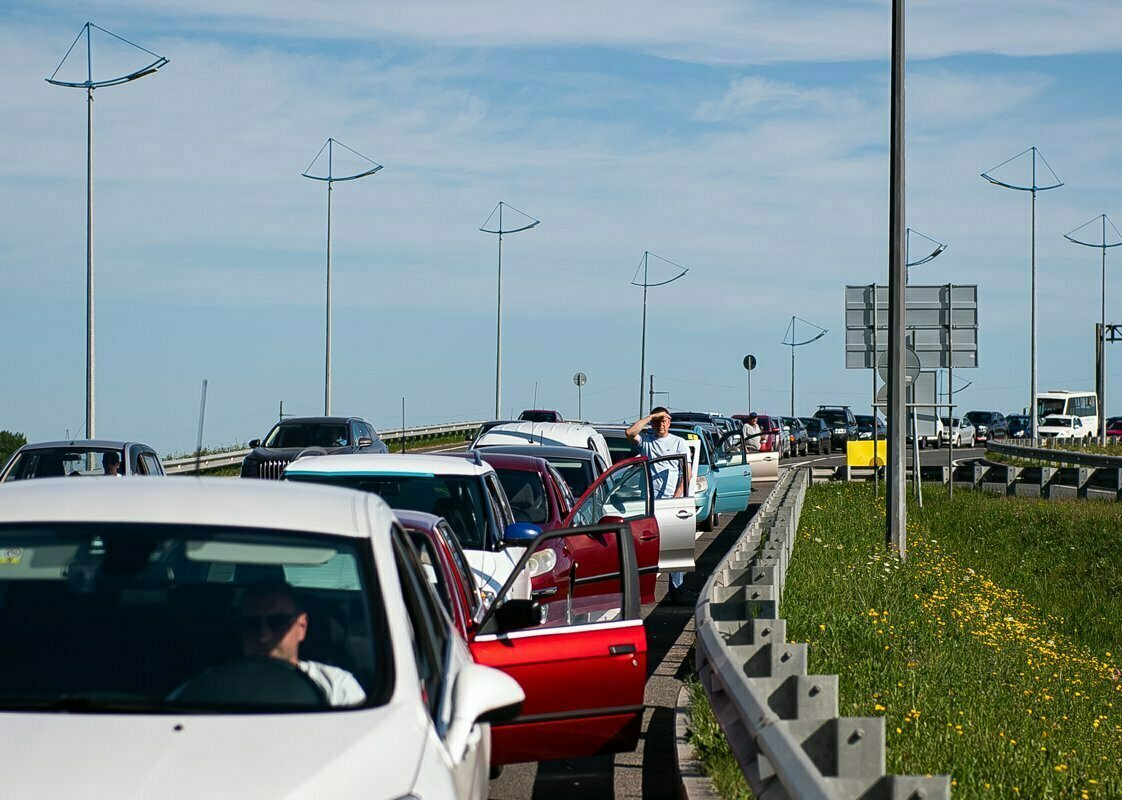
The immediate effects reached beyond private motorists. In Krasnoyarsk Krai’s Achinsk district, 13 of 47 filling stations were not operating, and only 16 reportedly carried several grades of petrol. District authorities identified agricultural shortfalls of 294 tonnes of diesel and 16.6 tonnes of AI-92 petrol. Elsewhere, officials restricted container sales, reserved some supply for essential services or asked residents to drive less.
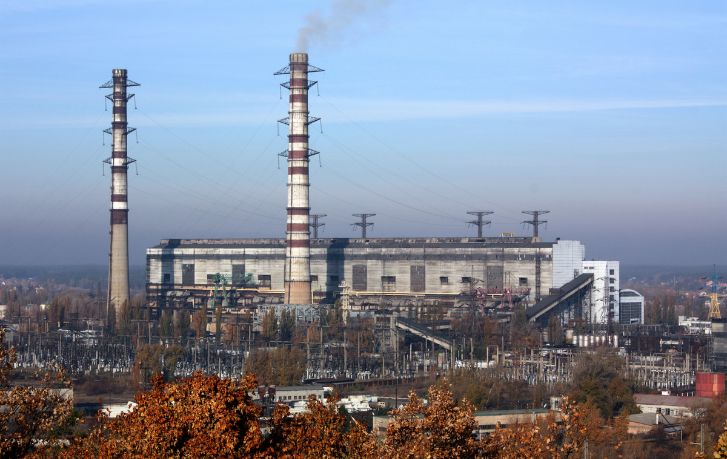
Those regional figures do not independently establish how much damage any individual strike caused. Refinery throughput, inventories, transport availability, seasonal demand and local distribution decisions can all influence whether fuel reaches a particular station. The stronger conclusion is at the system level: reduced refining output and repeated operational interruptions are being accompanied by measurable downstream constraints.
Why an oil producer can still run short of petrol
Producing crude oil is not the same as producing finished motor fuel. Crude must pass through distillation and secondary processing before it becomes usable petrol, diesel or jet fuel meeting the required specifications. A country can therefore continue extracting and exporting crude while lacking enough available refining capacity to satisfy regional demand for specific products.
The International Energy Agency reported in September that Russian refinery throughput fell to 3.8 million barrels per day in June, its lowest level in more than 20 years and about 30% below the previous year. It estimated petrol output was down 20% from 2025, while diesel production had fallen by nearly 30%.
That distinction explains the apparent contradiction between Russia’s petroleum resources and its fuel imports. Traders shipped almost 30,000 tonnes of refined fuel from South Korea in late July, while Russia also began receiving about 30,000 tonnes of A-92 petrol by sea from Morocco. These shipments can provide targeted relief, but imported products arrive through a different and potentially longer logistics chain than fuel supplied by domestic refineries.
Export controls represent another balancing mechanism. Russia extended its petrol-export ban through January 31, 2027, and its diesel-export ban through August 31, 2026. Such restrictions redirect available production toward domestic users, but they cannot immediately replace output that was never refined. They also show that the response has moved beyond isolated station management to national supply allocation.
Station closures are a late-stage signal
A refinery disruption does not automatically produce an immediate empty pump. Product already held in storage, alternative refineries and redirected shipments can buffer the retail network. Shortages become visible when those buffers cannot fully offset reduced production or when transport cannot move the correct fuel grade to the required region quickly enough.
The pattern varied by location. Bashkortostan temporarily prohibited petrol sales in portable containers and placed three districts in a fuel-shortage red zone; seven of Sterlitamak’s 26 stations were not operating. Sochi said petrol remained available at two-thirds of its filling stations and recommended public transport. Lipetsk Oblast Governor Igor Artamonov warned that serious improvement was unlikely within one or two weeks and asked residents to reduce travel.
Agriculture adds a particularly rigid demand constraint. Harvest operations require diesel on a schedule set by crops and weather, not by refinery repairs. Achinsk’s reported agricultural deficit therefore matters differently from a temporary inconvenience for private drivers: delayed fuel delivery can interfere with time-sensitive machinery use even if regional supplies later recover.
Repeated disruption increases readiness pressure
The scale of the drone campaign also changes the industrial problem. The IEA calculated that a Russian refinery was hit on average once every three days during the first eight months of 2026. That pace forces operators to divide resources among protection, inspection, repair and normal maintenance. It also places sustained demands on air-defense coverage across a geographically dispersed industrial network, although the available public information does not establish the effectiveness of individual defenses or strikes.
Russia still has options: shift production among operating plants, draw inventories, prioritize emergency and agricultural users, restrict exports and import selected fuels. Each option, however, purchases continuity at a cost in transport capacity, flexibility or export volume. The defining sign of strain is not any single closed station; it is the simultaneous use of rationing, travel-reduction requests, imports and export bans to keep fuel moving through the domestic network.
| More aerospace and engineering stories, right in your MSN feed. Follow AMI on MSN |
By Stephen Wallace — Editor for AMI’s aerospace integration and unmanned mobility coverage, focused on drone manufacturing, VTOL systems, autonomous networks, and air-ground mobility links.