Russia’s Largest Energy Attack Since Spring Damages Kyiv’s Trypilska Power Station
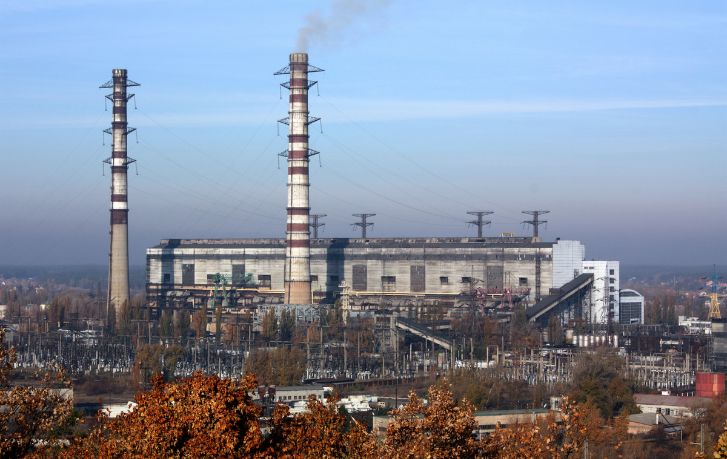
Russia’s largest reported attack on Ukraine’s energy infrastructure since spring damaged the Trypilska power station, the largest electricity supplier to Kyiv, while outages persisted across several regions. The plant’s operator confirmed damage following the September 30 assault, according to a BBC account of the developing disruption, but neither the extent of that damage nor the resulting loss of generating capacity has been disclosed.

The immediate grid consequences were measurable even without a plant-level capacity figure. DTEK, Ukraine’s largest private energy company, said it restored electricity to 8,000 homes after what it called “a difficult night” for the capital. Ukraine’s energy ministry said some households in the Kyiv, Dnipropetrovsk, Donetsk, Sumy and Kharkiv regions still lacked power on Wednesday.
The event extended across 11 regions, according to Ukrainian officials, with Kyiv and the surrounding region identified as the primary focus. Russia’s defence ministry said Trypilska was among its targets. At least five people were reported killed across Ukraine, including a child in the Kyiv region.
Restoring homes does not mean supply has returned to normal
The contrast between 8,000 reconnections and continuing outages is important. Reconnecting customers demonstrates progress by repair and operating crews, but it does not establish that all generating equipment is available or that the wider electricity system has returned to its normal operating condition.
Ukrenergo, the state grid operator, provided the clearest indication of the continuing supply constraint. It asked residents to avoid powerful electrical appliances between 10:00 and 16:00 local time because available electricity was lower than usual. That request represents demand management: reducing consumption during a defined period to narrow the gap between available supply and system demand while restoration continues.
Electricity networks must keep generation and consumption balanced continuously. When available supply falls, operators can respond through a combination of restoration, changes in how remaining resources are dispatched, customer reconnections and temporary limits on demand. The information released so far does not establish which combination was used in each affected region, but the daytime conservation request confirms that the operating problem extended beyond repairing individual household connections.
The timing also matters. A daytime restriction on high-power appliances concentrates public action on loads that customers can postpone, rather than implying that every use of electricity must stop. It gives operators additional room while supply remains below normal, although no estimate has been released for how much demand the request was expected to remove.
Critical technical details remain unknown
Centrenergo confirmed that Trypilska sustained damage and was assessing its extent. Available reporting does not specify the station’s operating status, how much generating capacity became unavailable, how long repairs could take or whether associated transmission equipment was affected. Without those details, it is not possible to calculate Trypilska’s precise contribution to the outages or forecast a restoration schedule.
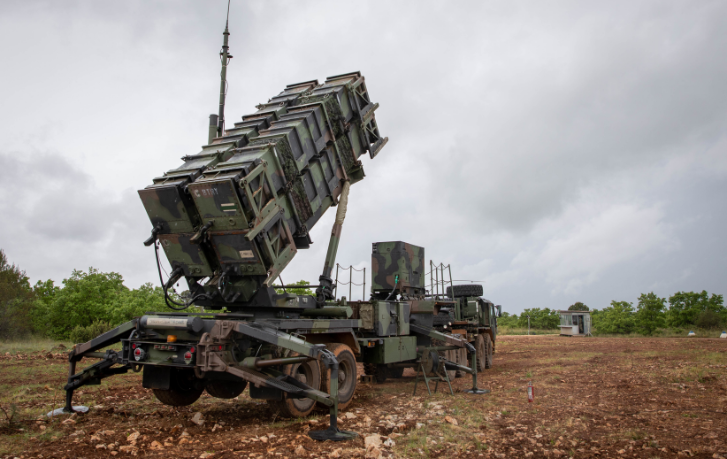
The attack was described by a Ukrainian official as a large, combined assault, but the weapons that damaged Trypilska have not been authoritatively identified in the available information. It would therefore be premature to characterize the plant damage as specifically drone-caused, assess the performance of one weapon type or draw conclusions about a particular air-defence failure.
For the same reason, the event does not yet support firm conclusions about the scale of drone production or the number and type of defensive systems required. What it does show is the broader readiness pressure created when energy operators must assess generating equipment, restore customers and manage reduced electricity availability while the security situation remains active.
The next meaningful milestone is not simply another reconnection total. It is an operator assessment establishing which Trypilska equipment remains usable, how much capacity was lost and what work is required to return it. Until that appears, the firmest measure of the disruption remains the operating response already visible to customers: 8,000 homes reconnected, households in five regions still without electricity and a six-hour request to curb powerful appliances because supply remained below normal.
| More aerospace and engineering stories, right in your MSN feed. Follow AMI on MSN |
By Stephen Wallace — Editor for AMI’s aerospace integration and unmanned mobility coverage, focused on drone manufacturing, VTOL systems, autonomous networks, and air-ground mobility links.