Hyundai and Kia Trail Ford by 3,564 Sales as Hybrids Surge
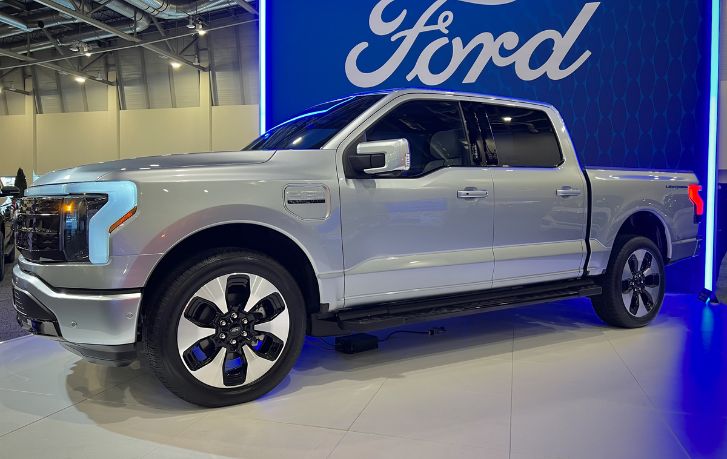
Hyundai and Kia together came within 3,564 vehicles of Ford’s total U.S. sales in the third quarter, a narrow gap reinforced by sharply rising hybrid demand. The two brands sold 506,200 vehicles, up 5.4% from a year earlier, while Ford reported 509,764 sales, down 6.6%.

The comparison does not prove that the U.S. market has permanently realigned after one quarter. It does show the immediate value of having fuel-efficient powertrains available when gasoline prices change quickly. Hyundai’s hybrid sales rose 39% year over year, and Kia’s climbed 152%. Toyota recorded a 29% increase in hybrid sales, while Honda posted a 21% gain.
Those results arrived as the national average gasoline price moved above $4 per gallon following the start of the war with Iran in late February. For drivers trying to reduce fuel consumption without moving to a fully electric vehicle, hybrids offered an established alternative combining a gasoline engine, electric motor and battery.
Detroit had fewer ways to answer the shift
The contrast is less about a newly discovered technology than product availability. Ford offers a hybrid version of the Maverick midsize pickup, but it discontinued the hybrid Escape SUV. Sales of all Escape versions fell 85% during the quarter as dealer inventory dwindled. General Motors has one hybrid model, a Corvette variant, while Stellantis announced in January that it was phasing out its North American plug-in hybrids.
That left the largest Detroit manufacturers with relatively few choices for buyers who wanted better fuel economy but were not ready to buy a battery-electric vehicle. Electric-vehicle demand faced its own constraints: EVs generally carry higher purchase prices, the $7,500 federal buyer tax credit had ended the previous September, and Tesla reported a 2% year-over-year third-quarter sales decline.
A conventional hybrid can occupy the middle of that market without requiring routine external charging. Its electric motor assists the combustion engine, while regenerative braking recovers some kinetic energy and stores it in a comparatively small battery. The vehicle still uses gasoline, but the recovered energy can reduce fuel consumption. The Department of Energy provides a broader technical comparison of hybrid, plug-in hybrid and battery-electric drivetrains.
Plug-in hybrids add a larger battery and an externally chargeable electric-driving mode, which makes Stellantis’ planned phaseout technically distinct from Ford’s conventional Maverick hybrid. For consumers, however, both decisions reduce the number of electrified, gasoline-backed choices available from Detroit brands.
Vehicle programs cannot pivot in one quarter
Ford and General Motors plan to introduce more hybrids in coming years, but an automaker cannot respond to a fuel-price jump by adding a powertrain as though it were a trim package. A hybrid program requires coordinated engineering across the engine, motor, battery, power electronics, cooling, braking, controls and crash structure. It also requires supplier capacity, manufacturing preparation, validation and regulatory compliance.
That systems work helps explain why quarterly demand can move faster than product portfolios. Ivan Drury, director of insights at Edmunds, described the constraint directly: It just stresses how important it is to have the right product at the right time, but you can’t predict that nearly as well as you would like.
The consequence extends beyond the powertrain itself. A customer who cannot find the desired configuration within one brand may move to another manufacturer, placing future repeat purchases at risk. That possibility remains an industry concern rather than a confirmed long-term outcome from these quarterly figures.
At market scale, Cox Automotive reported that Asian automakers sold more than half of all new vehicles during the quarter, while U.S. companies recorded their lowest market share. Hyundai and Kia’s proximity to Ford gives that broader shift a concrete measure, but production disruptions, model availability and other company-specific factors also influence quarterly rankings.
Fuel-economy policy adds another planning variable
Manufacturers are making these product decisions while federal requirements are also changing. The Transportation Department’s final fuel-economy rule estimates a fleet average of 34.9 miles per gallon for model year 2031. Twenty-six states sued over the relaxed requirements, alleging that the rollback would harm consumers and the environment; those claims remain allegations to be resolved through litigation.
Regulations can influence long-range product plans, but the third-quarter results demonstrate the separate pressure of immediate consumer demand. When gasoline exceeded $4 per gallon, Toyota, Honda, Hyundai and Kia already had hybrids ready to sell. Detroit’s planned additions may broaden its response later, but the 3,564-vehicle gap behind Ford shows how much ground Hyundai and Kia covered before those future models reached showrooms.
| More aerospace and engineering stories, right in your MSN feed. Follow AMI on MSN |
By Thomas Caldwell — AMI’s senior editor for mechanical and mobility engineering, covering vehicle electronics, systems integration, electrification, chassis systems, propulsion, and safety policy.