Second Moscow Drone Wave Forces Airport Restrictions Into Yaroslavl
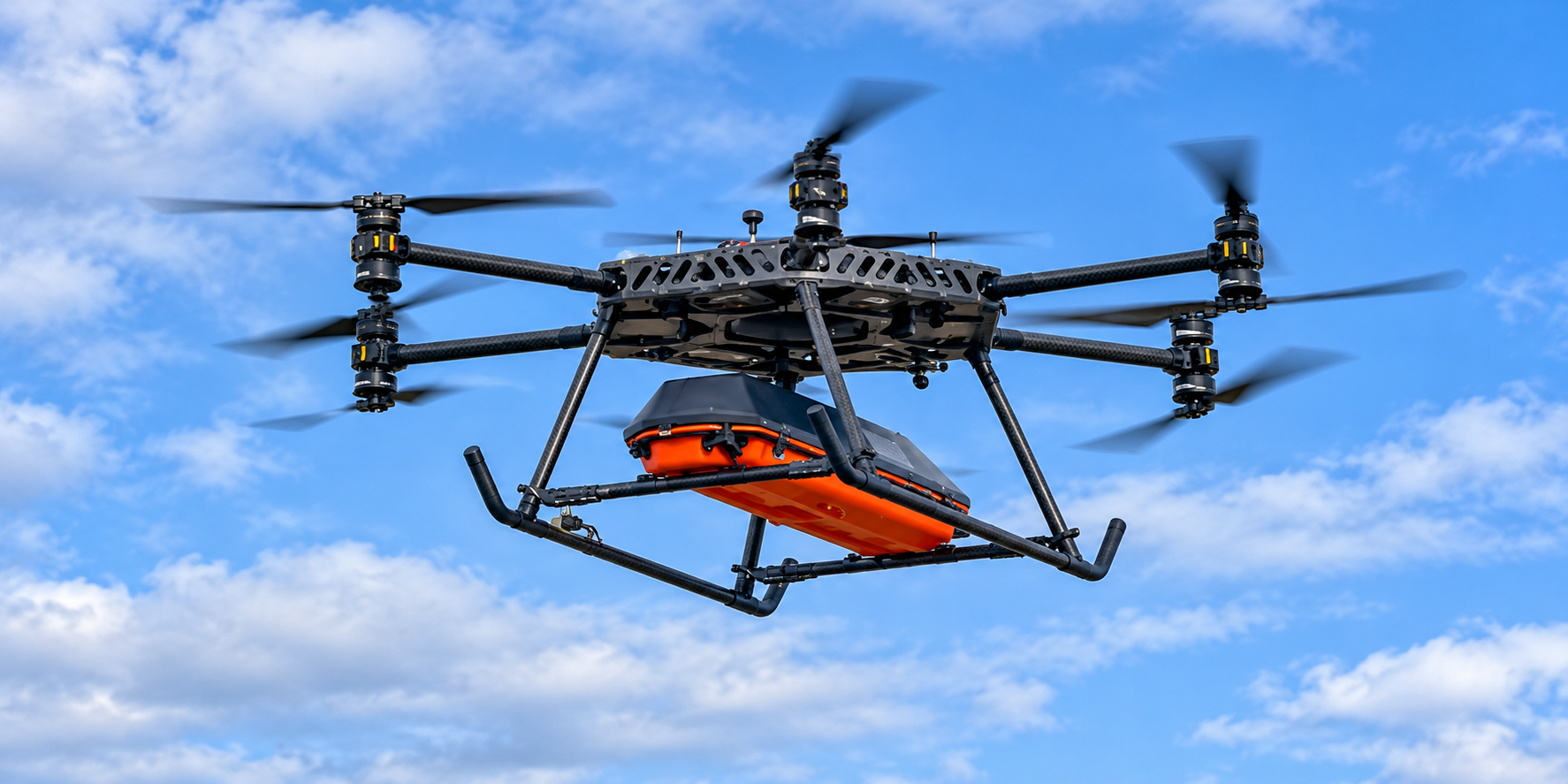
A second consecutive night of reported drone attacks targeting Moscow on August 19 coincided with temporary restrictions at airports serving the capital and in Yaroslavl. Moscow Mayor Sergei Sobyanin said more than 20 drones had been shot down, but that interception figure has not been independently verified.
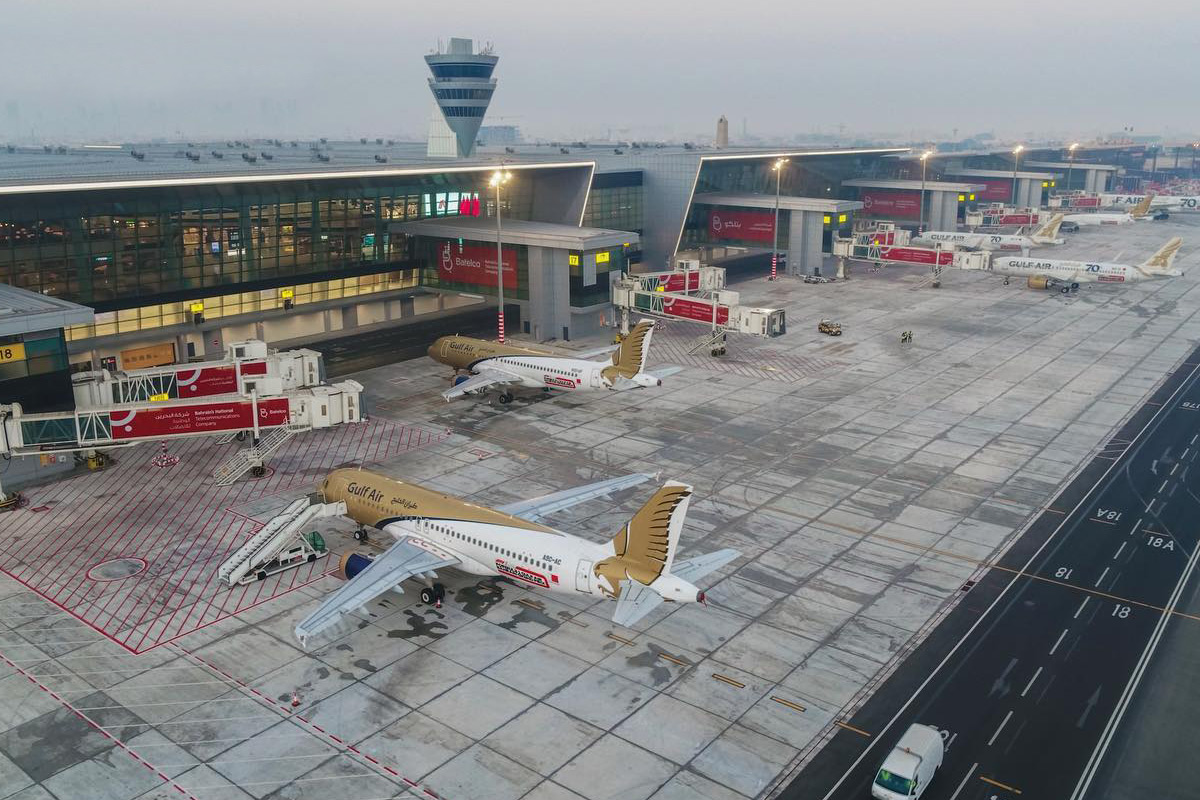
The confirmed civilian consequence is clearer: Russia’s Federal Air Transport Agency, Rosaviatsiya, instructed several airports to restrict operations temporarily as a security measure, while Yaroslavl Airport suspended operations. Regional authorities also limited traffic heading toward Moscow. The available information does not establish the number of affected flights, the precise duration at each airport or when schedules fully recovered.
The sequence matters because the official count rose quickly from about a dozen reported interceptions to more than 20 within roughly an hour, followed by claims that additional drones were heading toward Moscow. Airport controls therefore had to respond to an evolving alert rather than a single, completed event.
Why restrictions can spread beyond the reported destination
An airport restriction does not establish that a drone reached the airport, damaged aviation infrastructure or entered a particular flight path. It is an operating control used while authorities manage uncertainty around the airspace. In this case, the restrictions extended from Moscow-area airports to Yaroslavl, demonstrating that the practical aviation footprint of a drone alert can be broader than the city described as its destination.
That distinction is central to understanding the event. Russian officials emphasized reported interceptions, yet successful interception claims and uninterrupted civil aviation are not equivalent outcomes. Even when authorities say drones have been destroyed, they may continue restricting departures and arrivals until they determine that aircraft can operate under acceptable conditions.
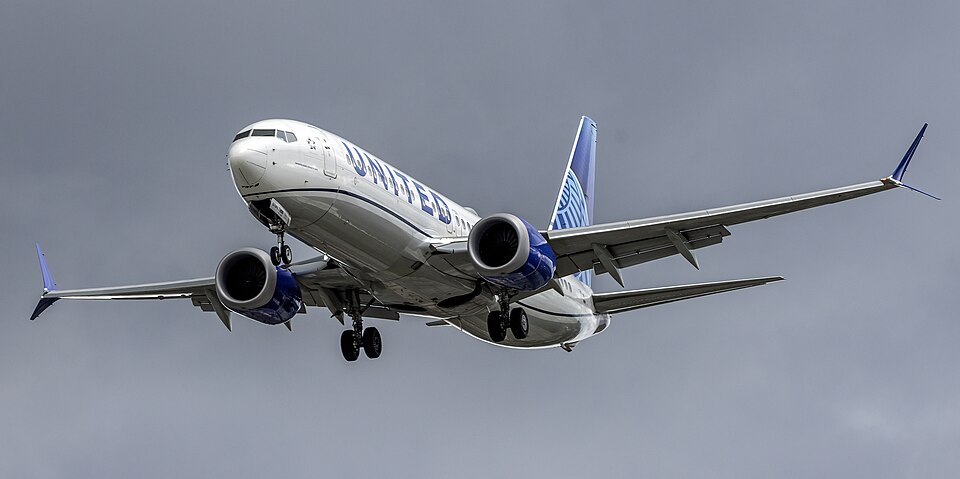
The direct burden falls first on airport and airline control systems. A temporary halt can hold departures at gates, delay arrivals or require schedule changes. If aircraft are diverted, the effects can persist after restrictions are lifted because those aircraft must reach their intended airports before completing later assignments.
A separate September disruption illustrates that recovery problem without establishing the scale of the August 19 event. During that later episode, all four Moscow international airports were temporarily restricted and more than 400 flights were reported delayed. Some inbound aircraft were sent to alternate airports and needed refueling before continuing. That comparison shows how a short airspace closure can propagate through aircraft positioning and later flights, but no comparable delay total has been established for the current wave.
Repeated alerts create a readiness and reliability problem
The August 19 restrictions followed another reported attack on Moscow and the surrounding region on August 18. A similar incident was reported on August 16. The supplied accounts do not independently establish responsibility, interception effectiveness or the extent of damage from those events, but the recurrence itself changes the operating challenge for civil aviation.
Airports and regulators must treat each alert as a fresh safety decision. Repeated restrictions can accumulate operational effects even when each individual closure is temporary. Aircraft and crews may end up away from planned positions, airport capacity can become compressed when traffic resumes, and passengers can face disruption beyond the period when movements are formally restricted. Those are general network effects; the available updates do not confirm which of them occurred on August 19.
For authorities, the pressure is also organizational. Air-defense claims concern detection and interception, while civil aviation restrictions concern whether commercial flights should continue operating. These are linked but different decisions. A reported interception count cannot by itself show that the airspace has become predictable enough for normal traffic handling, particularly while officials continue reporting additional inbound drones.
Official claims define the scale, not independent verification
Sobyanin’s figure of more than 20 drones is useful for understanding why authorities treated the episode as more than an isolated alert. It should not be read as an independently confirmed measure of the wave or air-defense performance. The information available also does not establish how many drones were launched, whether all were directed at Moscow or whether every claimed interception occurred as described.
What can be assessed directly is the regulator’s response across more than one airport region. Moscow-area restrictions and Yaroslavl’s suspension show that recurring drone alerts are now producing precautionary controls beyond the capital itself. The next meaningful operational facts are not another interception total, but when each restriction was lifted, how many flights were delayed, cancelled or diverted, and how long normal schedules took to recover.
| More aerospace and engineering stories, right in your MSN feed. Follow AMI on MSN |
By Stephen Wallace — Editor for AMI’s aerospace integration and unmanned mobility coverage, focused on drone manufacturing, VTOL systems, autonomous networks, and air-ground mobility links.