

Saudi Arabia Opens Flydubai Safety Probe After Alleged Attack; All 172 Survived
Two investigations are now approaching the same cockpit event from fundamentally different directions. Saudi Arabia has opened a no-blame air-safety inquiry into the alleged attack aboard Flydubai Flight FZ1073, according to three people close to the matter cited by Reuters. The United Arab Emirates is separately conducting a criminal investigation.
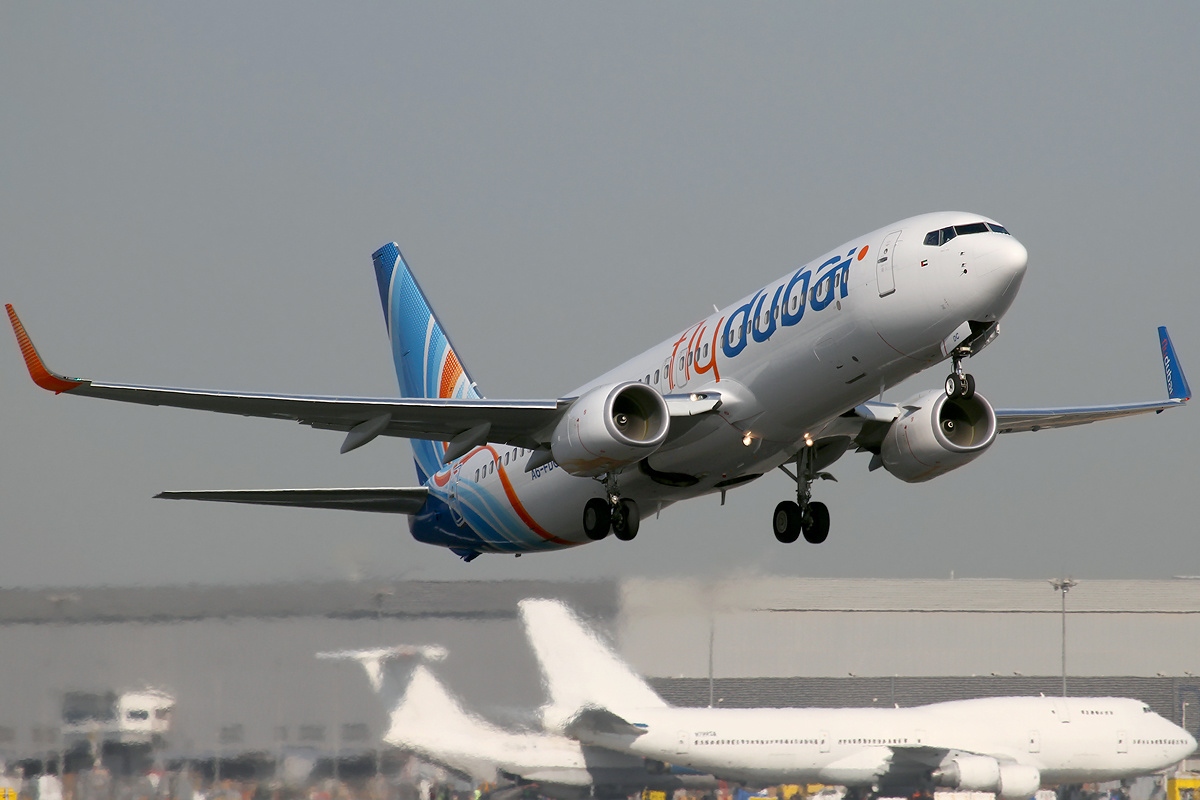
The Boeing 737 MAX was traveling toward Israel through Saudi airspace on September 30 when the co-pilot allegedly attacked the captain with an axe and tried to bring down the aircraft. The jet descended sharply, but all 172 passengers and crew survived without injury. The alleged conduct and its motive remain under investigation, and there is no finding that the aircraft malfunctioned.
That distinction is central to the Saudi inquiry. A criminal investigation seeks evidence relevant to an alleged offense and potential responsibility. An aviation-safety investigation instead asks what conditions allowed an event to develop and whether changes could reduce the chance or consequences of a recurrence. The UAE prosecutor general has called the incident a “terrorist attack,” but that characterization belongs to the criminal case and does not establish a technical cause or safety finding.
Why Saudi Arabia’s inquiry is unusual
International accident investigations operate under Annex 13 to the Convention on International Civil Aviation. Its safety framework is designed to identify causes and contributing factors without assigning blame or legal liability. Such inquiries are routine after accidents, but they are not mandatory when authorities determine that an event resulted from a deliberate act.
Saudi Arabia nevertheless notified foreign aviation agencies that it would investigate FZ1073 under international rules. That decision creates an opportunity to examine the event as a system-level safety problem even if prosecutors ultimately treat the alleged act as intentional. It also puts the separation between safety analysis and criminal evidence gathering under practical pressure.
The two processes can require some of the same records, interviews and operational information while applying different standards and protections. Investigators must preserve the safety inquiry’s ability to gather candid information without obstructing the criminal case. Previous deliberate-act cases have produced friction over access to evidence, including the French safety investigation after the 2015 Germanwings crash.
International participation follows the aircraft and operator as well as the location of the event. The United States National Transportation Safety Board has appointed a representative because the 737 MAX was built in the United States. The UAE is entitled to participate because the aircraft is registered there and Flydubai is based in Dubai.
Israel’s position is less defined. It offered to participate but had not been invited when the inquiry was reported. Annex 13 provides observer status for a country whose citizens account for a substantial number of deaths or serious injuries. Nearly all the people aboard were Israeli, but nobody was injured, and the rulebook reportedly does not specify how that provision applies in such circumstances.
Hiring and cockpit safeguards may be examined, not presumed deficient
Safety specialists said the inquiry could examine pilot recruitment and cockpit security. Those subjects should not be mistaken for identified failures. No investigator has announced that Flydubai’s hiring process, crew screening or cockpit procedures caused or contributed to the incident.
A recruitment review could examine whether applicable vetting and fitness processes were followed and whether relevant warning information existed. It would need to distinguish between a policy that was inadequate, a policy that was not followed and conduct that could not reasonably have been anticipated. The available information does not yet support any of those conclusions.
Cockpit security presents a different systems question. Reinforced, locked flight-deck doors are intended to stop unauthorized entry. An alleged threat originating inside the cockpit changes that design problem because a barrier optimized to keep an intruder out can also affect access during an internal emergency. Investigators could assess procedures and human factors around that tension without concluding that reinforced doors are broadly ineffective.
Any recommendation would also need to account for secondary risks. Additional crew screening, access rules or cockpit procedures can alter workload, privacy, emergency response and the division of authority aboard an aircraft. A durable change would require evidence that its safety benefit exceeds the operational complications it introduces.
No safety finding, recommendation or operating change has been announced. Saudi Arabia’s National Transport Safety Center, the Saudi aviation regulator and UAE officials did not respond to requests for comment, and it remains unclear whether Saudi investigators will publish their conclusions. Publication is therefore the next consequential issue: without a public final report, the inquiry may still support cooperation among authorities, but passengers and operators may never see the reasoning behind any lessons drawn from an event all 172 people survived.
| More aerospace and engineering stories, right in your MSN feed. Follow AMI on MSN |
By Thomas Caldwell — AMI’s senior editor for mechanical and mobility engineering, covering vehicle electronics, systems integration, electrification, chassis systems, propulsion, and safety policy.