Drone and Balloon Alerts Disrupted More Than 300 Moscow Flights
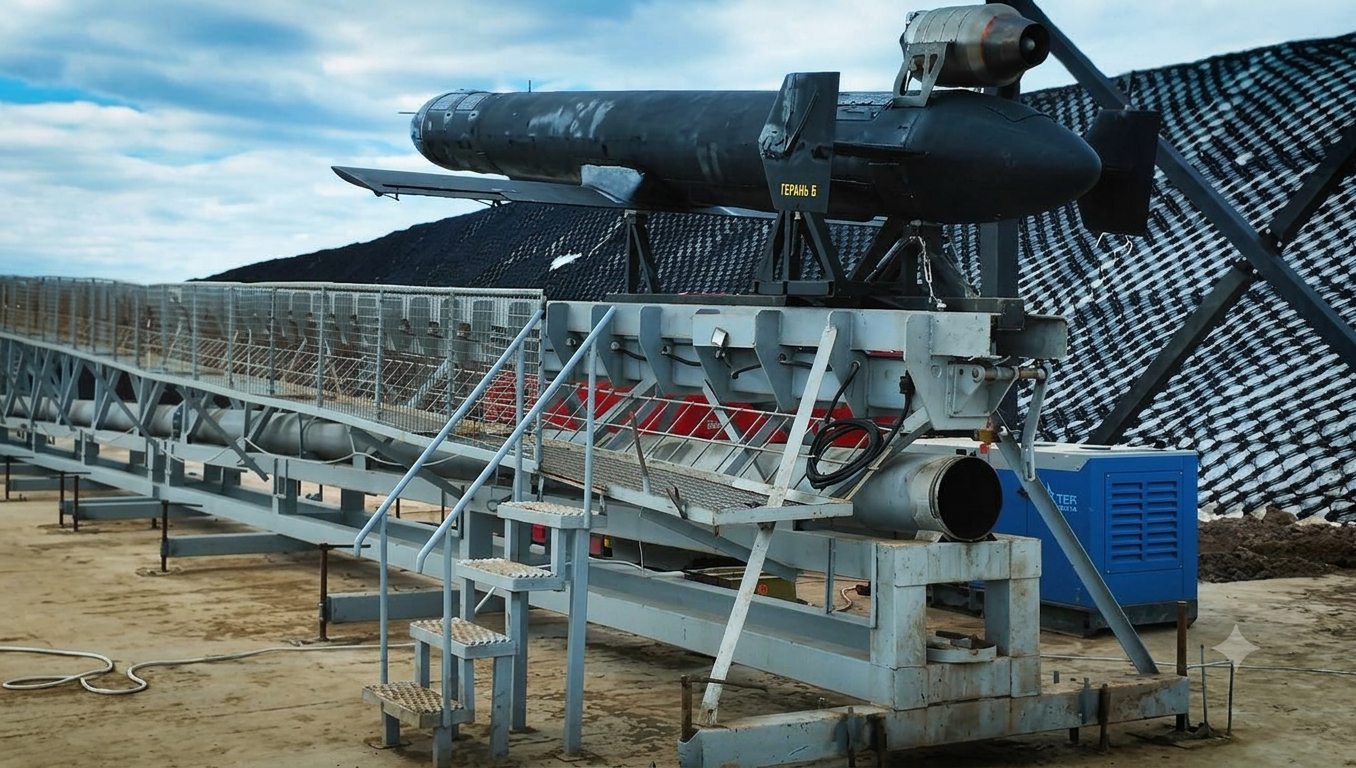
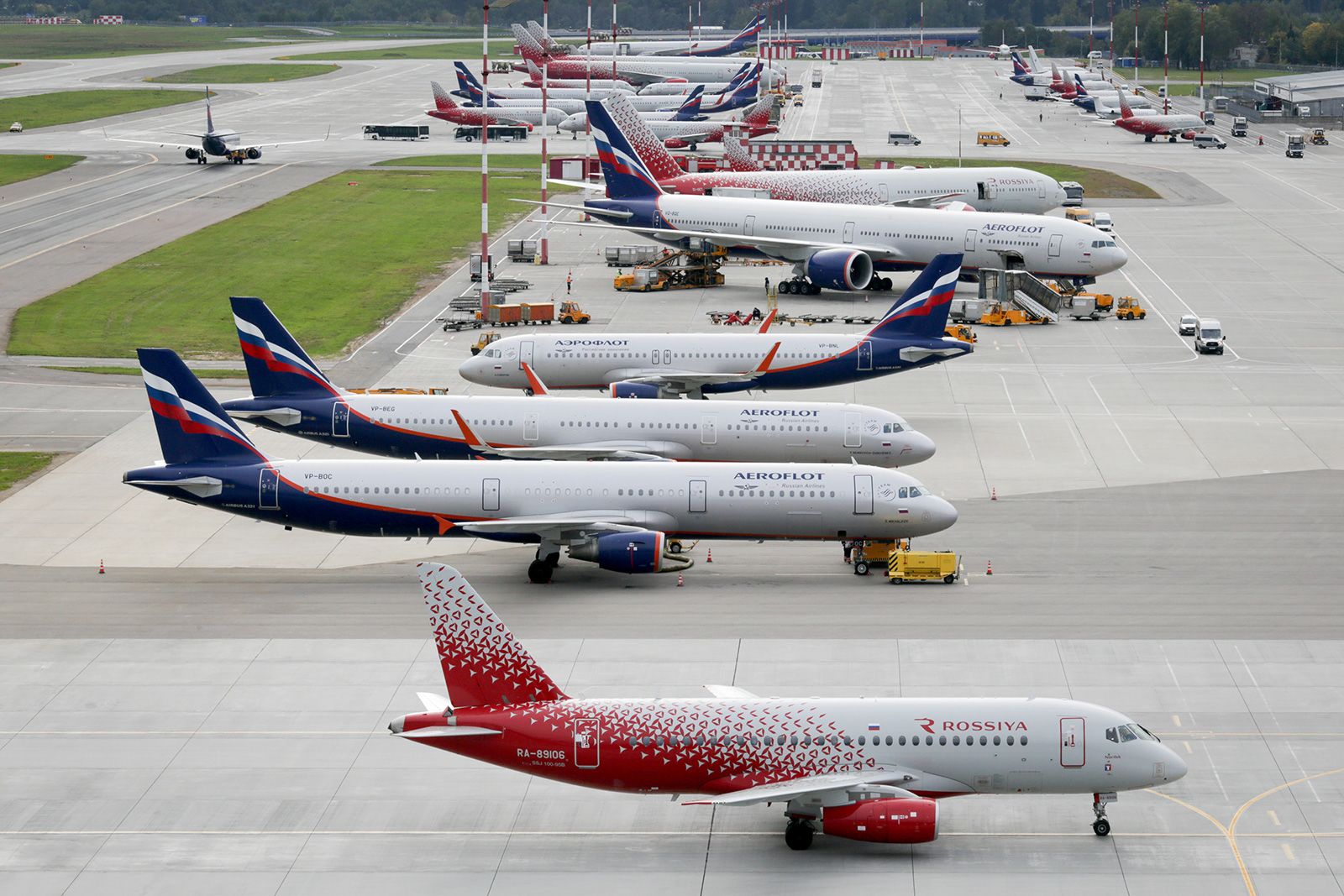
Drone and balloon alerts triggered temporary restrictions across Moscow’s four main airports on October 9, disrupting more than 300 flights by one publication’s estimate. The restrictions covered Sheremetyevo, Vnukovo, Domodedovo and Zhukovsky, turning relatively small aerial threats into a network-wide problem for airlines and passengers.
The restrictions began at about 3:40 p.m. local time and were fully lifted by 6:40 p.m., according to reporting based on statements from Russia’s Federal Air Transport Agency. The Moscow Times reported that all four airports restricted flights during the afternoon, following earlier overnight interruptions at three of them.
Caution, News estimated that more than 200 flights were delayed and over 100 were canceled because of the restrictions. Those totals have not been confirmed through a consolidated airport or regulator report, so they should be treated as a media estimate rather than a final operational count. Passengers reportedly described being stranded for as long as a full day, while terminal buildings became heavily crowded.
A short closure can create a long recovery
A three-hour restriction does not translate into only three hours of disruption. When arrivals are suspended, inbound aircraft may enter holding patterns or divert to alternate airports. Departures remain at their gates, occupying stands that may be needed by other aircraft. Once restrictions end, delayed arrivals and departures must compete with flights that were already scheduled for the reopened period.
That queue affects more than aircraft movement. An airplane arriving late may be assigned to another flight, carrying the delay into a different route. Passengers miss connections, checked baggage must be reconciled with revised itineraries, and airlines may need to reposition aircraft. None of the available reporting establishes which of those secondary constraints dominated this event, but they are the standard operational reasons an airport timetable can remain displaced after airspace reopens.
Cancellations can become the fastest way to reduce that accumulated demand. Removing a flight from the schedule may free a gate, aircraft and departure slot, but it transfers the burden to passengers and airline recovery teams. Travelers then concentrate around service desks, baggage areas and departure halls while carriers search for available seats on later flights. That helps explain how a precautionary airspace measure can produce terminal congestion even when no airport infrastructure is reported damaged.
One alert affected several kinds of aviation
The disruption reportedly reached government aviation as well as scheduled airlines. Meduza was cited as saying that five aircraft operated by the Russia Special Flight Squadron were initially unable to land in Moscow. At least three were reportedly Il-96 aircraft returning from Turkmenistan, and several squadron aircraft were said to have circled because of the drone alert. The squadron transports senior officials, but no official flight records or incident report were provided to independently confirm those movements.
The reported holding is operationally significant because it shows that restoring access is not simply a matter of prioritizing one important arrival. Controllers must maintain safe separation, manage fuel considerations and sequence multiple aircraft across a constrained network. The available information does not establish how long the squadron aircraft circled, whether any diverted or how their arrival priority was determined.
The numbers require careful separation
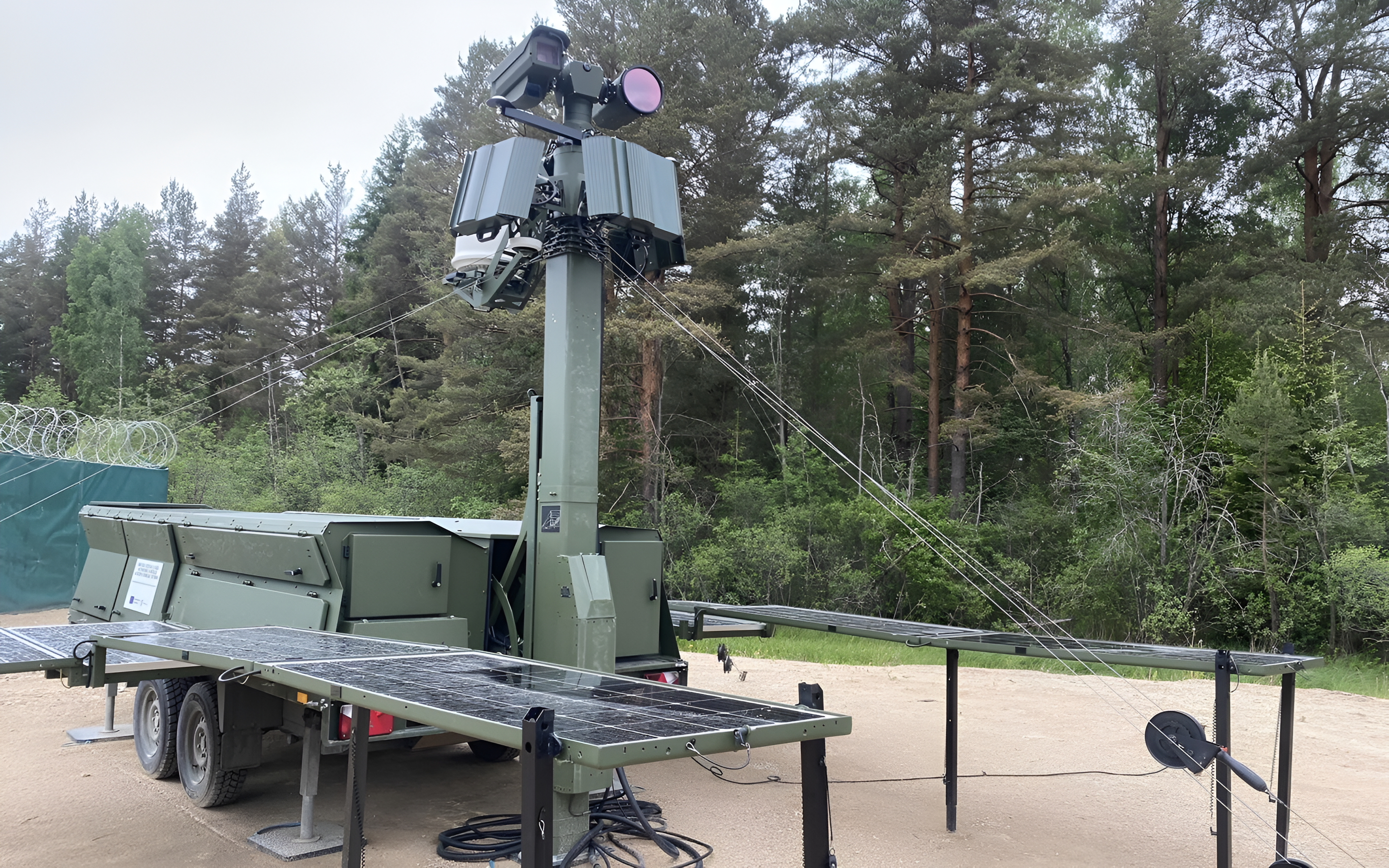
Russian officials described drones approaching the capital, while regional authorities separately reported small balloons carrying suspended loads. The reviewed accounts do not establish that either type of object reached airport property. They also do not provide a verified combined count of the objects responsible for the restrictions, making it impossible to draw a reliable conclusion about production capacity or the scale of the launch from the airport disruption alone.
Likewise, the flight totals vary depending on the period and counting method. A delayed arrival and the later departure of the same aircraft can appear as two delayed flight movements, while airport boards continue updating after restrictions end. Separate reporting about other closure periods cited still higher delay totals. Those figures are not necessarily contradictory, but they should not be merged without matching dates, airports and definitions.
What is clear is the imbalance between the alert and its civilian consequence. Authorities did not need to report an object at an airport for precautionary restrictions to remove capacity from the entire Moscow network. By the time access returned at 6:40 p.m., the immediate restriction was over, but hundreds of disrupted flight movements and crowded terminals had already shifted the recovery problem to airlines, airports and passengers.
| More aerospace and engineering stories, right in your MSN feed. Follow AMI on MSN |
By Stephen Wallace — Editor for AMI’s aerospace integration and unmanned mobility coverage, focused on drone manufacturing, VTOL systems, autonomous networks, and air-ground mobility links.