Russian Flight Cancellations Double Amid Drone Restrictions; 7.6 Million Wait Over Three Hours
About 7.6 million passengers in Russia waited more than three hours for departure during the first nine months of 2026, 2.5 times the comparable 2025 figure. Flight cancellations doubled over the same period as recurring drone-related restrictions disrupted airports already contending with a diminished pool of serviceable airline aircraft.

The figures come from AlfaStrakhovanie data reported by Kommersant. The insurer tracks 30 major Russian airlines and roughly 60 foreign carriers that together represent about 97% of passenger traffic in Russia. It attributed much of the deterioration to airport restrictions imposed in response to the threat of Ukrainian drone attacks, while Russian aviation authorities also identified aircraft malfunctions as a source of disruption.
Delays grew longer as well as more frequent
From January through September, 128,000 flights were delayed by more than one hour, 1.7 times the year-earlier total. Delays of at least two hours doubled to 77,000, while delays lasting three hours or more increased 2.2 times to 51,000. The number delayed by at least four hours rose 2.4 times to 36,000.
The share of flights departing no more than 15 minutes late fell from 57% to 52%. That five-percentage-point change matters because airline schedules depend on aircraft completing several linked flights each day. A restriction at one airport can hold an aircraft and crew out of position, affecting later departures even after the original airport resumes accepting traffic.
This is a network-recovery problem rather than simply a count of individual closures. Industry scheduling guidance from OAG explains that insufficient schedule padding can allow one late flight to delay every subsequent rotation of the same aircraft. Repeated restrictions can therefore consume the time buffers that airlines use to contain disruption.
Grounded aircraft reduce recovery options
The operational pressure becomes more serious when fewer aircraft are available as substitutes. Industry sources cited by Kommersant said Russian airlines had not returned 20% of their aircraft to service before the peak travel season. Among the 10 largest carriers other than Aeroflot, one-third of the combined fleet reportedly remained grounded.
Those attributed fleet figures do not establish why every aircraft was unavailable, nor do they show that technical issues caused every cancellation. They do indicate a narrower recovery margin. When an aircraft cannot complete its planned sequence, an airline with spare equipment may be able to replace it, reposition another jet or rebuild part of the schedule. A carrier with a substantial share of its fleet grounded has fewer such options.
Rosaviatsiya cited aircraft malfunctions as another cause of delays and cancellations. However, Transport Ministry figures show that the share of delays attributed to technical problems declined from 12.7% to 10.1% year over year. The two findings can coexist: malfunctions remained a source of disruption, while restrictions and other causes accounted for a larger share of the overall delay burden.
Different datasets show the same operational strain
Russia’s Transport Ministry recorded 118,100 flights delayed by more than two hours from January through August, an increase of 20.3% from the same period in 2025. That total differs from the insurer’s count because the ministry also includes general aviation, cargo, charter and government operations. The figures should not be treated as directly interchangeable.
Even so, both datasets point toward worsening reliability. AlfaStrakhovanie’s broader passenger-focused figures show steep increases across multiple delay thresholds, while the ministry recorded a substantial rise using a different operating population and an eight-month period. This agreement in direction is more informative than a comparison of the raw totals.
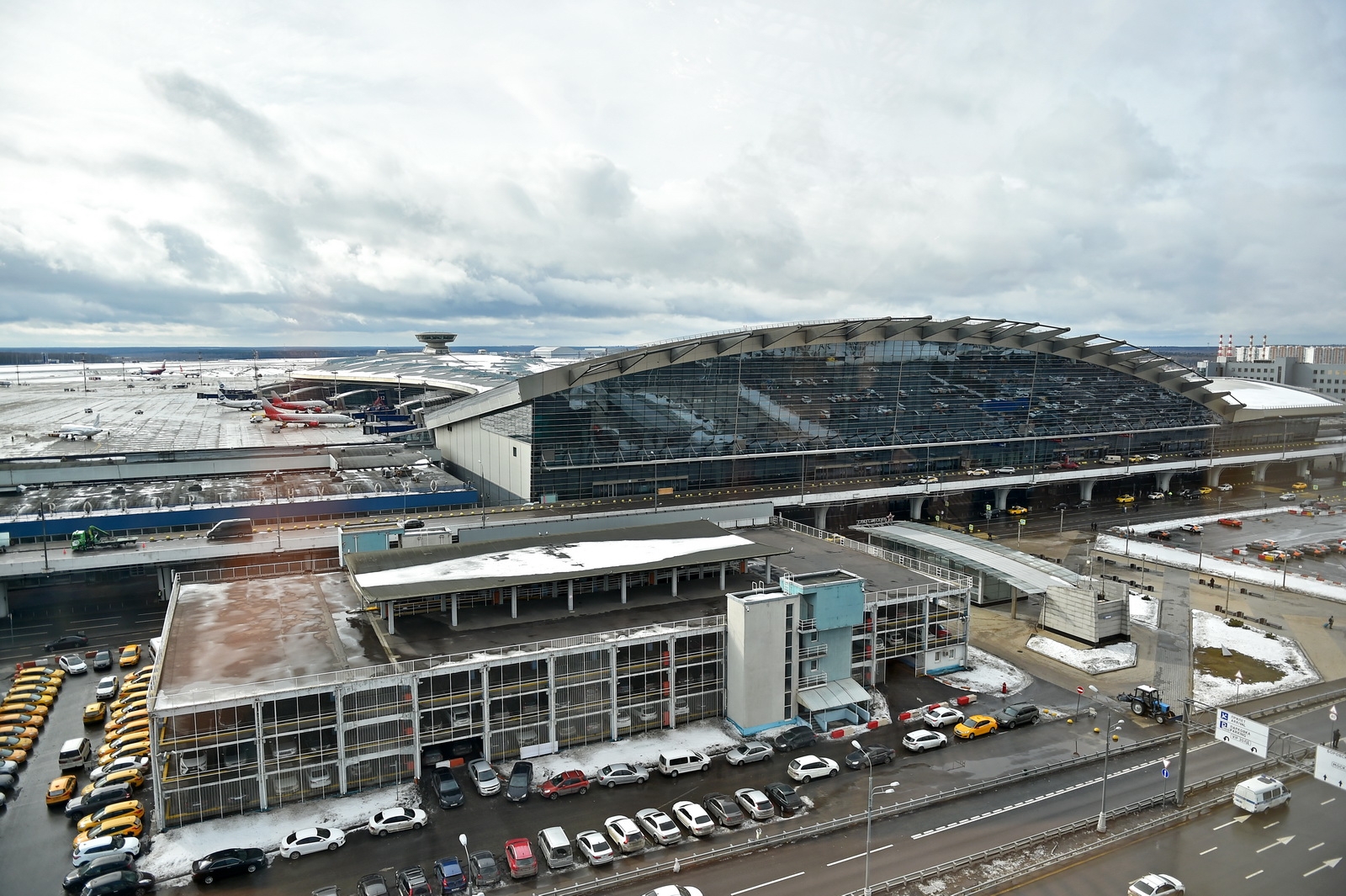
The restrictions themselves were recurring rather than isolated. Russia’s Carpet emergency protocol was reportedly activated almost daily in southern and central regions from late April. On October 9, media reports said Moscow’s Vnukovo, Zhukovsky and Domodedovo airports suspended operations for roughly six to seven hours because of drone attacks. Regional airport sources also sought more timely information on when restrictions would be lifted.
Advance certainty matters because airlines cannot efficiently rebuild schedules around an unknown reopening time. Aircraft may remain parked, inbound flights may be held or altered, and later rotations can lose their planned departure windows. The available figures do not assign every delay to drones, technical faults or any single cause. They do show that repeated precautionary restrictions are colliding with limited spare-aircraft capacity leaving Russia’s civilian aviation network with less room to restore service after each interruption.
| More aerospace and engineering stories, right in your MSN feed. Follow AMI on MSN |
By Stephen Wallace — Editor for AMI’s aerospace integration and unmanned mobility coverage, focused on drone manufacturing, VTOL systems, autonomous networks, and air-ground mobility links.