Third Drone Strike Reportedly Halts Another Yandex Data Center in Russia
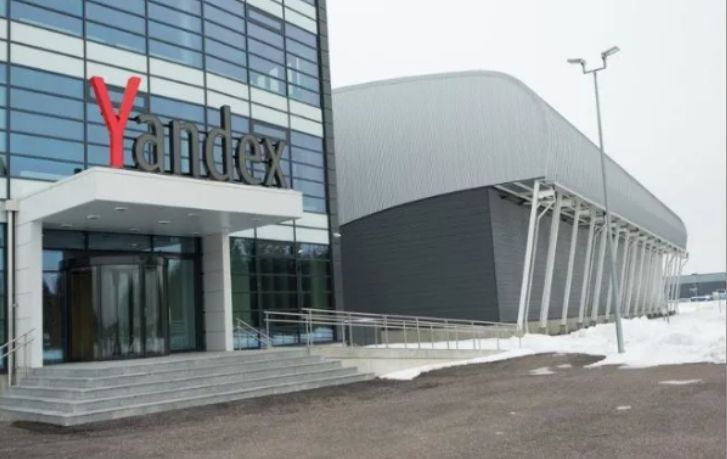
A third reported drone strike in several days has halted operations at another Yandex data center in Russia, escalating a service-continuity problem that began when two of the company’s five facilities were hit on consecutive days. Yandex said infrastructure at its Vladimir facility was damaged on Oct. 11 and described its remaining resource configuration as unstable, according to AFP’s account of the company’s service alert.
The Vladimir shutdown followed reported Ukrainian drone strikes against Yandex facilities in Sasovo on Oct. 8 and Kaluga on Oct. 9. Operations in Sasovo were completely suspended, while several computing modules in Kaluga were taken out of service. Yandex said it was still assessing the damage and could not predict when the affected equipment would return online.
Ukraine confirmed responsibility for the first two data-center attacks, according to the BBC’s account of the disruptions. The available information does not independently establish responsibility for the latest incident in Vladimir, so its attribution remains unresolved.
Three facilities change the resilience calculation
A single data-center outage is normally addressed through redundant power, communications links, replicated data and workloads distributed among other facilities. The strain becomes more consequential when separate sites are removed from service in quick succession. Each additional loss reduces the infrastructure available to absorb displaced computing, storage and network demand.
That does not establish that Yandex’s redundancy failed. Failover systems can preserve core functions while still producing slower responses, intermittent availability or the temporary loss of individual features. Yandex operates search, cloud computing, storage, email, mapping, ride-hailing and other digital services, so the impact can vary widely depending on where particular workloads and data copies are located.
After the Sasovo shutdown, disruptions affected some Yandex services and websites associated with organizations including Russian Railways, MegaFon and several Russian media outlets. Following the Kaluga damage, Yandex warned that additional services could be disrupted. After the Vladimir incident, ride-sharing and payment applications were among the services reported unavailable.
The pattern places restoration teams under two simultaneous pressures. They must recover damaged hardware and supporting infrastructure while keeping surviving sites stable under redistributed demand. Yandex said teams were working continuously after the first two incidents, but characterized maintaining services as difficult. Its warning after the third incident that the remaining configuration was unstable indicates that recovery is no longer limited to repairing one isolated facility.
Capacity loss remains the critical unknown
The number of affected modules, servers and storage systems has not been disclosed. There is also no confirmed figure for the computing capacity removed from operation at Kaluga, Sasovo or Vladimir. Without those details, it is not possible to determine how much reserve capacity remains or whether particular workloads can be moved without performance penalties.
Kaluga illustrates the possible scale without establishing the scale of damage. Yandex previously described that data center as one of Russia’s largest, covering approximately 130,000 square meters. Sasovo reportedly housed two of the company’s three supercomputers used for artificial-intelligence development, but their condition has not been confirmed. Those facts show why a facility can remain partly functional while losing specialized capacity that is harder to replace than ordinary server workloads.
Data protection also depends on how each service was configured before an outage. Replicated object storage can preserve multiple copies across facilities, while organizations running virtual machines may have separate backup responsibilities. Consequently, continued access to one Yandex service does not prove that every hosted organization has the same recovery position.
Repeated strikes create a broader readiness burden
Three reported incidents within days also create an industrial-capacity problem. Replacement servers, networking equipment, power systems and cooling components must be sourced, installed and validated before workloads return. Physical repairs alone do not restore a data hall: equipment must also be tested, synchronized and reintegrated without destabilizing services already operating in an emergency configuration.
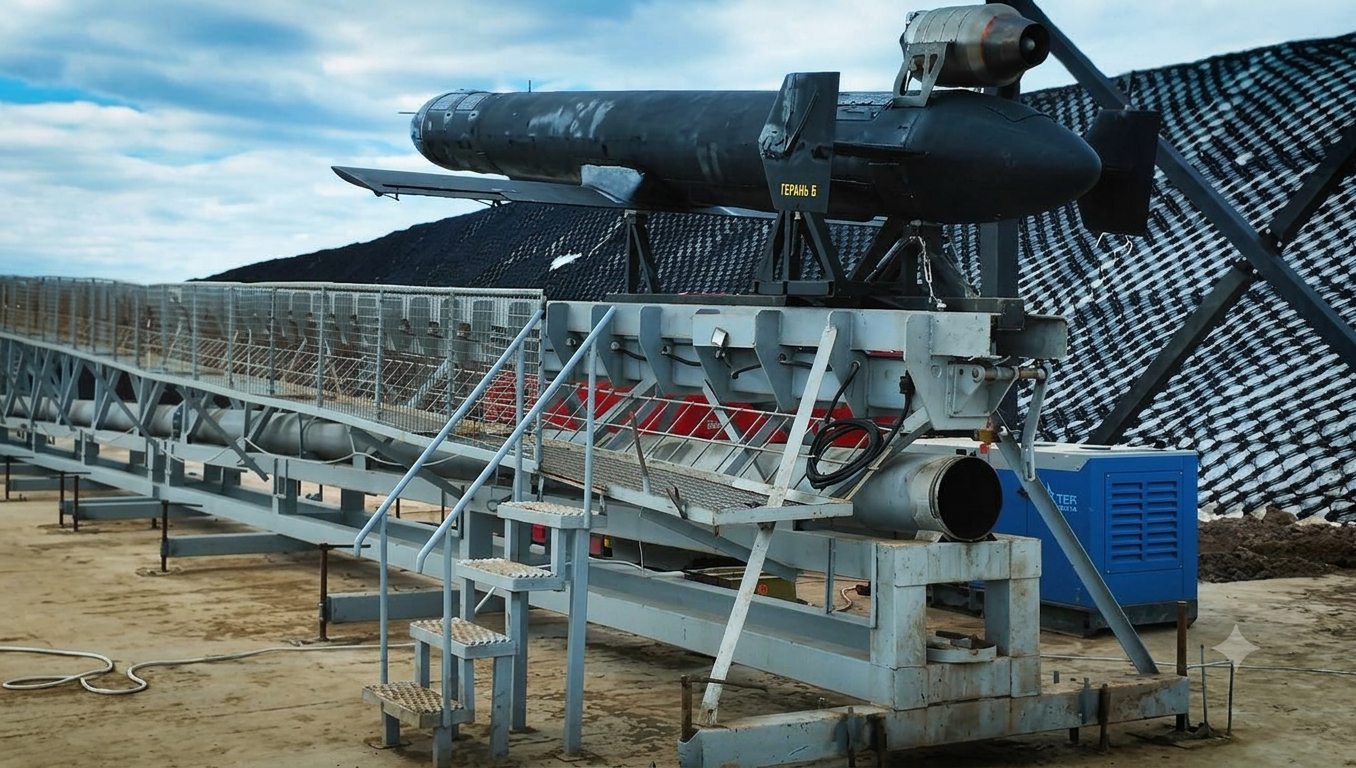
The incidents demonstrate how relatively small unmanned aircraft can impose effects far beyond the damaged equipment, without establishing the drones’ types, launch points or operating methods. Defensive resources, repair crews and spare computing capacity all face additional demand when disruptions occur at geographically separate facilities.
Yandex has not provided a restoration schedule for the disabled equipment or disclosed the capacity remaining across its network. After three facilities were reportedly affected within days, that undisclosed margin not the status of any single server room now defines how long the company can sustain widely used services while repairs proceed.
| More aerospace and engineering stories, right in your MSN feed. Follow AMI on MSN |
By Stephen Wallace — Editor for AMI’s aerospace integration and unmanned mobility coverage, focused on drone manufacturing, VTOL systems, autonomous networks, and air-ground mobility links.