FAA Orders A380 Engine Seal Replacements After Uncontained Takeoff Failure
An uncontained engine failure serious enough to abort an Airbus A380 takeoff has triggered rapid, costly maintenance orders even though investigators have not established the complete root cause. Under an FAA airworthiness directive issued October 8, operators must remove 15 specifically identified turbine seals from certain Engine Alliance GP7200-family engines.

The rule takes effect October 23. For the most urgent group, replacement is required within 50 flight cycles or 30 days after that date, whichever comes first. The FAA estimates the work will cost as much as $528,150 per affected engine: $527,300 for parts and $850 for 10 labor hours.
What is known about the failure
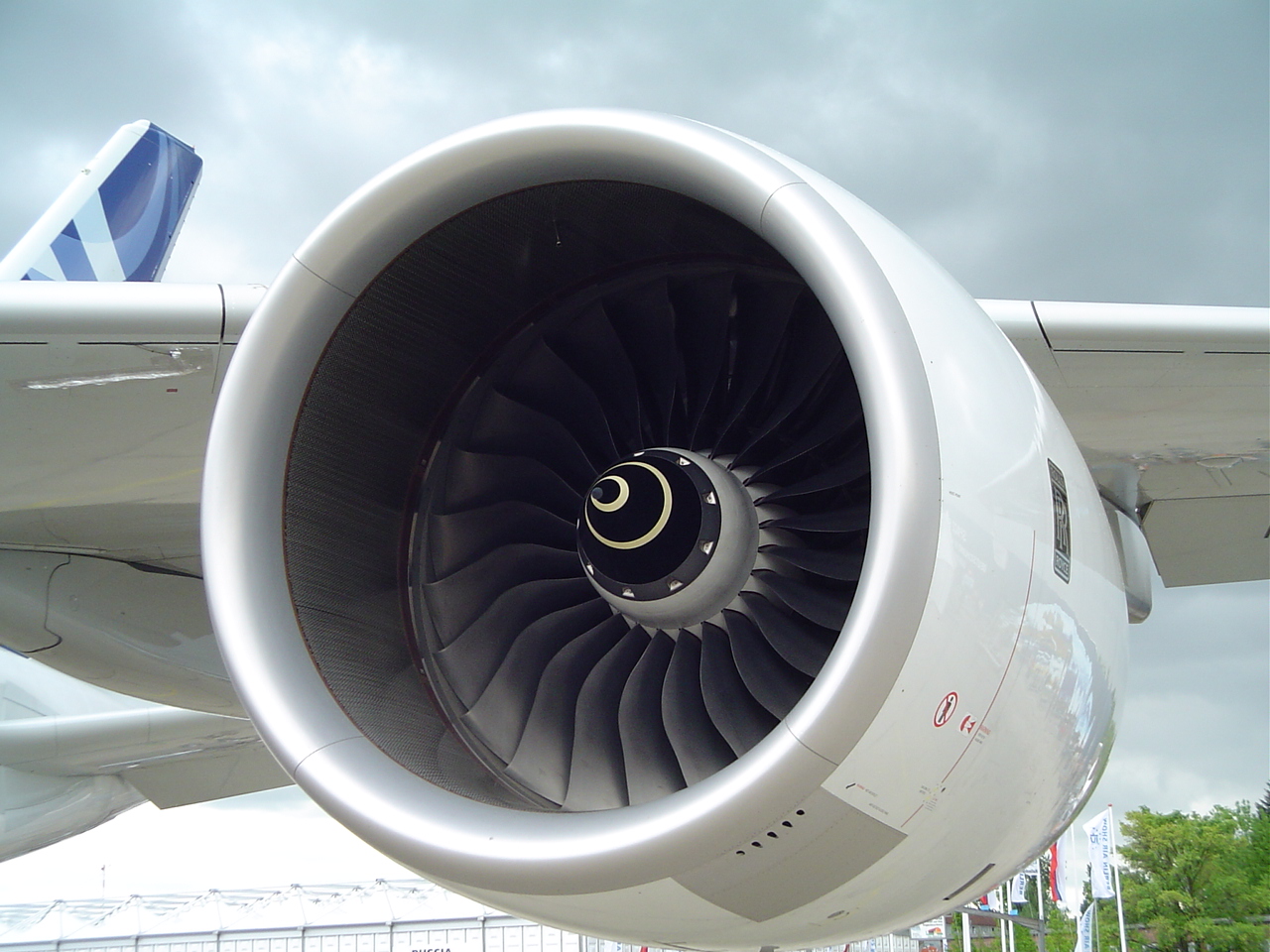
The event involved an A380 powered by GP7270 engines. According to the FAA, an uncontained failure of a high-pressure turbine interstage seal resulted in an engine shutdown and an aborted takeoff. The agency did not identify the airline, aircraft registration or date of the incident.
“Uncontained” is the consequential word. It means debris escaped the engine’s containment structure rather than remaining confined within it. The FAA warned that another interstage-seal failure could result in an engine fire and damage to the aircraft.
That risk explains why the agency did not wait for the usual public-comment process before adopting the directive. The shortest compliance window is also less time than would be needed to collect comments and publish a conventional final rule. The FAA therefore treated immediate adoption as necessary for public safety.
Cracking and seal rotation are the leading clues
The investigation has narrowed attention to the interface between the interstage seal and the shaft associated with the first-stage high-pressure turbine disk. The manufacturer determined that cracking most likely began at locating features described in the directive as clocking keys between those components.
Investigators also identified relative rotation of the seal, known as “clocking,” as a contributing factor. Engine Alliance found greater clocking in interstage seals that had been reassembled during overhaul, indicating that seal movement may be possible after that maintenance process.
This is not yet a final causal finding. The cracking location and seal rotation describe the suspected failure mechanism and a contributing condition, but the complete root cause remains under investigation. The FAA consequently calls its directive an interim action and says additional rulemaking could follow if a final corrective measure is identified.
That distinction matters. The order does not establish that every overhauled GP7200 engine has the problem, nor does it apply to every A380. It covers one specified seal part number and 15 listed serial numbers installed in certain GP7270, GP7272 and GP7277 engines. Those are variants within the Engine Alliance GP7000 turbofan family.
The deadline follows seal usage since overhaul
The FAA selected the 15 seals with the highest flight-cycle totals since overhaul and divided them into three compliance groups. The first must be replaced within 50 flight cycles or 30 days; the second within 100 cycles or 60 days; and the third within 150 cycles or 90 days. In each group, the earlier limit controls.
Operators must remove the listed seals and install parts eligible under Engine Alliance Alert Service Bulletin EAGP7-A72-479, dated September 4, 2026. The serial-number approach allows regulators to target known hardware rather than impose a blanket grounding or replacement campaign across the entire engine fleet.
The cost estimate also shows why a narrow order is operationally important. Almost the entire $528,150 per-engine figure comes from the replacement part rather than labor. Operators must fit that expense and maintenance access into deadlines measured in weeks or tens of flights, not wait for the investigation to reach its final conclusion.
No affected engines are installed on aircraft registered in the United States, according to the FAA, although an American airworthiness directive can still govern the type design and required corrective action. The agency did not specify how many A380s outside the United States currently carry the listed seals.
For now, the binding response is deliberately limited: remove the 15 highest-cycle seals on the prescribed schedule. Whether that replacement becomes the final fix or only the first intervention before investigators fully explain the cracking and rotation remains the central unresolved question.
| More aerospace and engineering stories, right in your MSN feed. Follow AMI on MSN |
By David Whitaker — Associate editor for AMI’s aerospace and drone systems desk, translating flight systems, aircraft programs, spaceflight, and UAV developments into accessible technical stories.