Russian Strikes Cut Kyiv Power, Reducing Water Pressure Across Parts of City
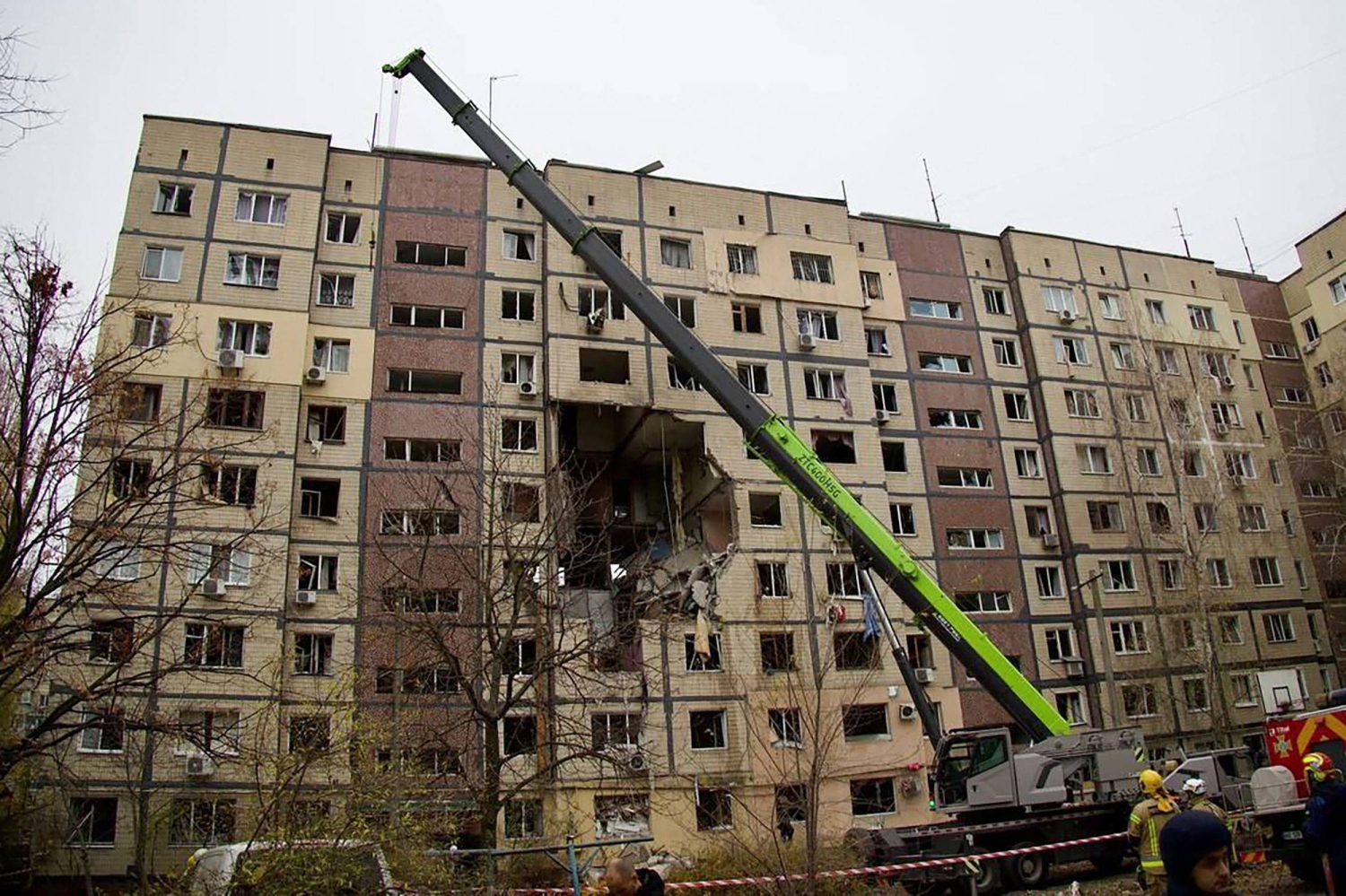
Russian strikes on critical energy infrastructure late on Oct. 15 left parts of Kyiv and the surrounding region without electricity, while reduced water pressure forced emergency crews to switch pumping stations to alternate power. The disruption linked two services that residents normally experience separately: when the regional electricity supply failed, parts of the municipal water system also lost the power needed to maintain normal delivery.
Ukraine’s state grid operator Ukrenergo reported “widespread power outages” in certain areas of Kyiv and the surrounding region. It said damage assessments and emergency repairs would begin after air-raid alerts were lifted. Kyiv Mayor Vitali Klitschko said damage to regional energy facilities had reduced water pressure on the right bank of the Dnipro River.
The precise attack responsible for the outages had not been established. Drone activity was reported over Kyiv, and Klitschko said debris from a downed Russian drone landed at a private residence, but there was no confirmed link between that drone and the electricity failure. That distinction matters: the service disruption is confirmed, while the weapon, impact point and damage sequence that produced it remain undetermined.
Why an electricity outage can reduce water pressure
Urban water service depends on electrically powered equipment to move water through treatment and distribution systems. If grid power is interrupted or its voltage becomes unstable, affected facilities may be unable to sustain normal pumping. The customer-visible result can be reduced pressure or a temporary loss of service even when the water network itself has not been identified as the initial point of damage.
Klitschko’s statement that specialists were switching pumping stations to alternate supplies indicates an effort to restore the electrical input needed by the water system. Alternate power can keep essential machinery operating, but switching is still an active recovery step rather than proof that every affected facility can continue at full output without the normal grid.
Kyiv experienced a similar electricity-to-water connection one week earlier. On Oct. 8, voltage drops affected some water facilities during emergency power cuts, according to Kyivvodokanal information reported by Ukrainska Pravda. The utility warned then that pressure could fall in several right-bank districts and that some buildings could experience temporary interruptions until electricity was restored.
That earlier episode does not establish the extent or cause of the Oct. 15 damage. It does, however, show that reduced water pressure is a repeatable operational consequence when Kyiv’s electricity supply becomes unstable. In systems terms, alternate power provides resilience, but it does not remove the dependency between the regional grid and municipal pumping.
Attack scale adds pressure, not causal certainty
The latest disruption occurred during an increase in attacks on Ukrainian energy infrastructure. President Volodymyr Zelensky said Russian forces used 39 ballistic missiles and more than 120 drones against energy and critical infrastructure in Kyiv, the surrounding region and Kharkiv on Oct. 14. Those numbers are an attributed Ukrainian account of the previous day’s attack, not a confirmed breakdown of what caused the Oct. 15 Kyiv outages.
The combination of numerous airborne threats and geographically distributed infrastructure damage puts pressure on both protection and recovery capacity. At a high level, readiness involves more than responding to incoming aircraft or missiles: grid operators must also determine which assets are damaged, isolate affected portions of the network and begin repairs when conditions permit. Water crews must meanwhile manage the secondary service effects and transfer facilities to available backup supplies.
That sequence also explains why firm attribution can lag behind the outage itself. Operators can observe loss of electricity and declining water pressure before inspectors can safely assess the damaged facilities. Reports of drones, blasts or debris establish activity in the city, but they do not by themselves identify the event that interrupted a particular part of the grid.
For Kyiv’s roughly three million residents, the immediate consequence is straightforward even while the engineering assessment remains incomplete: one infrastructure failure impaired two essential services. The next decisive information will come from the post-alert damage assessment how much of the electricity network was affected, how quickly normal grid power can return and whether alternate supplies can maintain pumping until repairs are completed.
| More aerospace and engineering stories, right in your MSN feed. Follow AMI on MSN |
By Stephen Wallace — Editor for AMI’s aerospace integration and unmanned mobility coverage, focused on drone manufacturing, VTOL systems, autonomous networks, and air-ground mobility links.