Pentagon Plans Autonomous Warfare Command, Seeks $74 Billion for Drone Systems
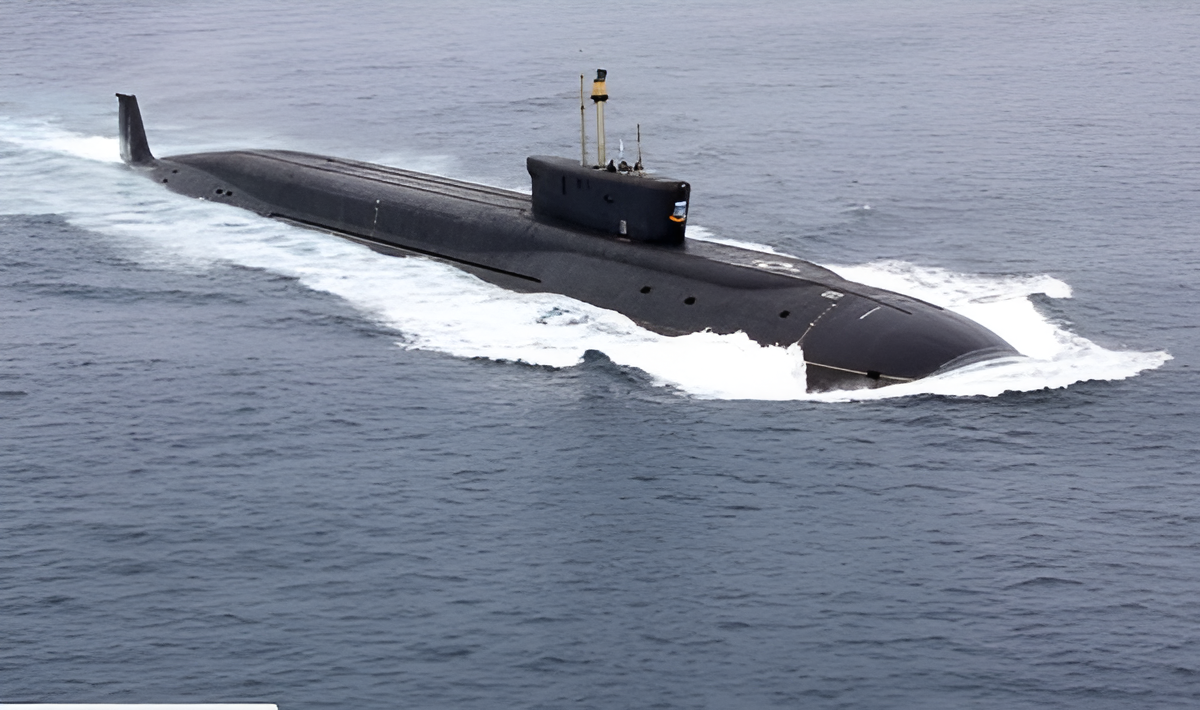
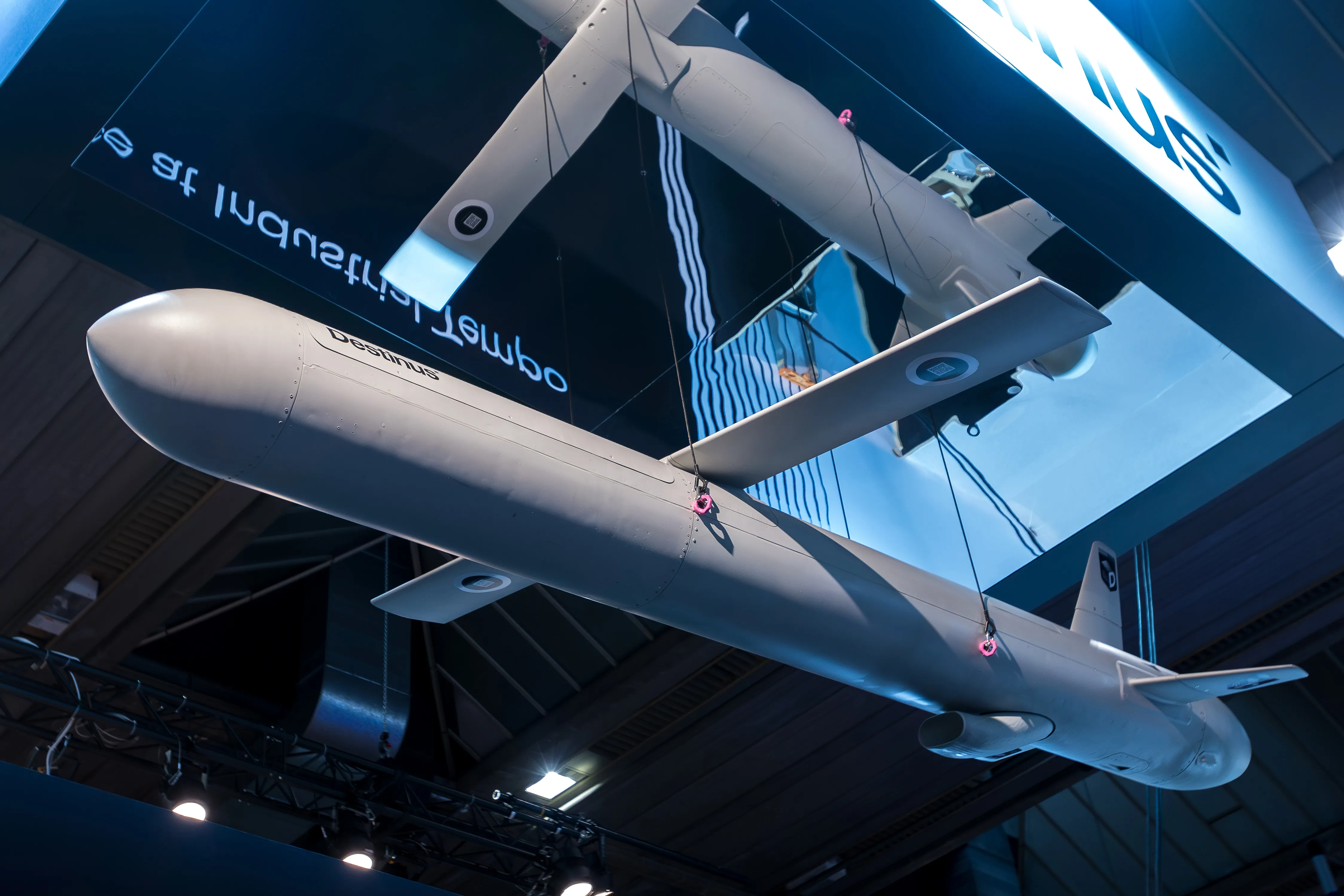
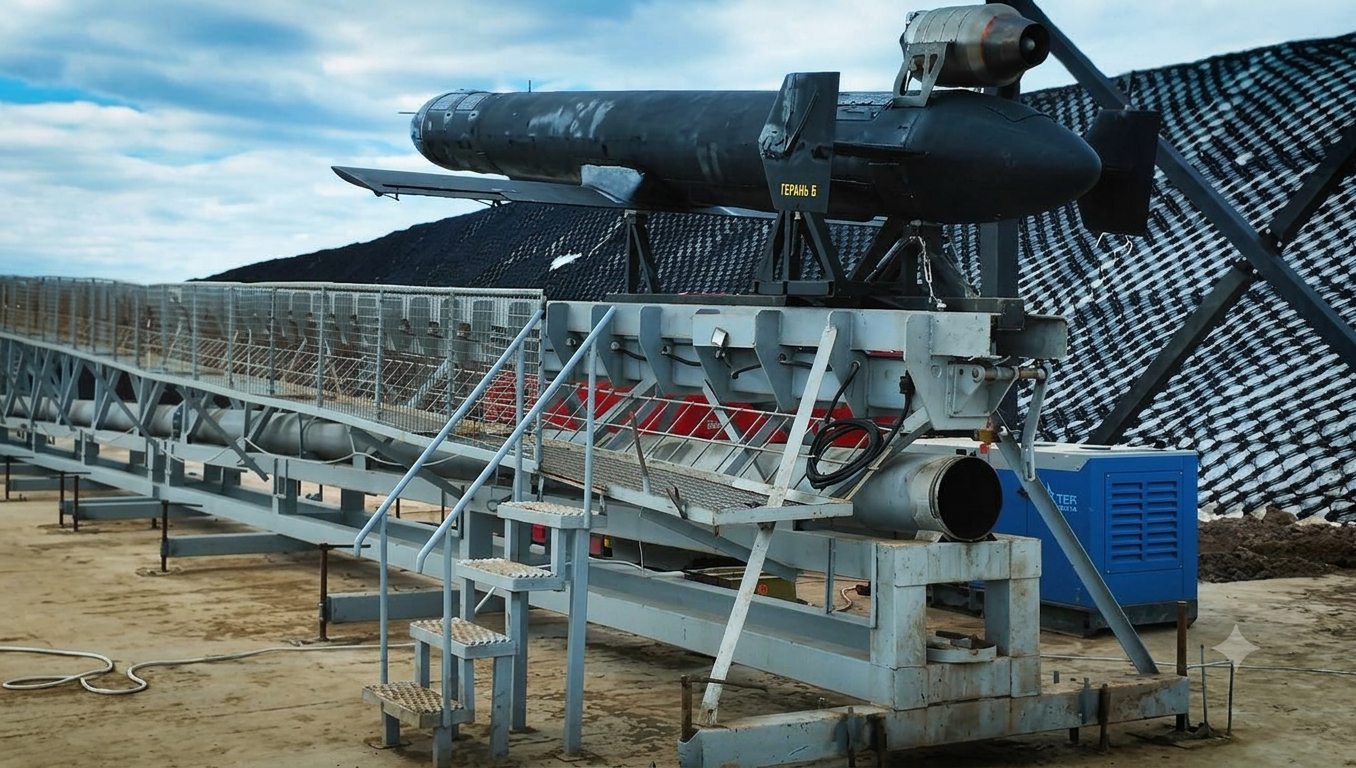
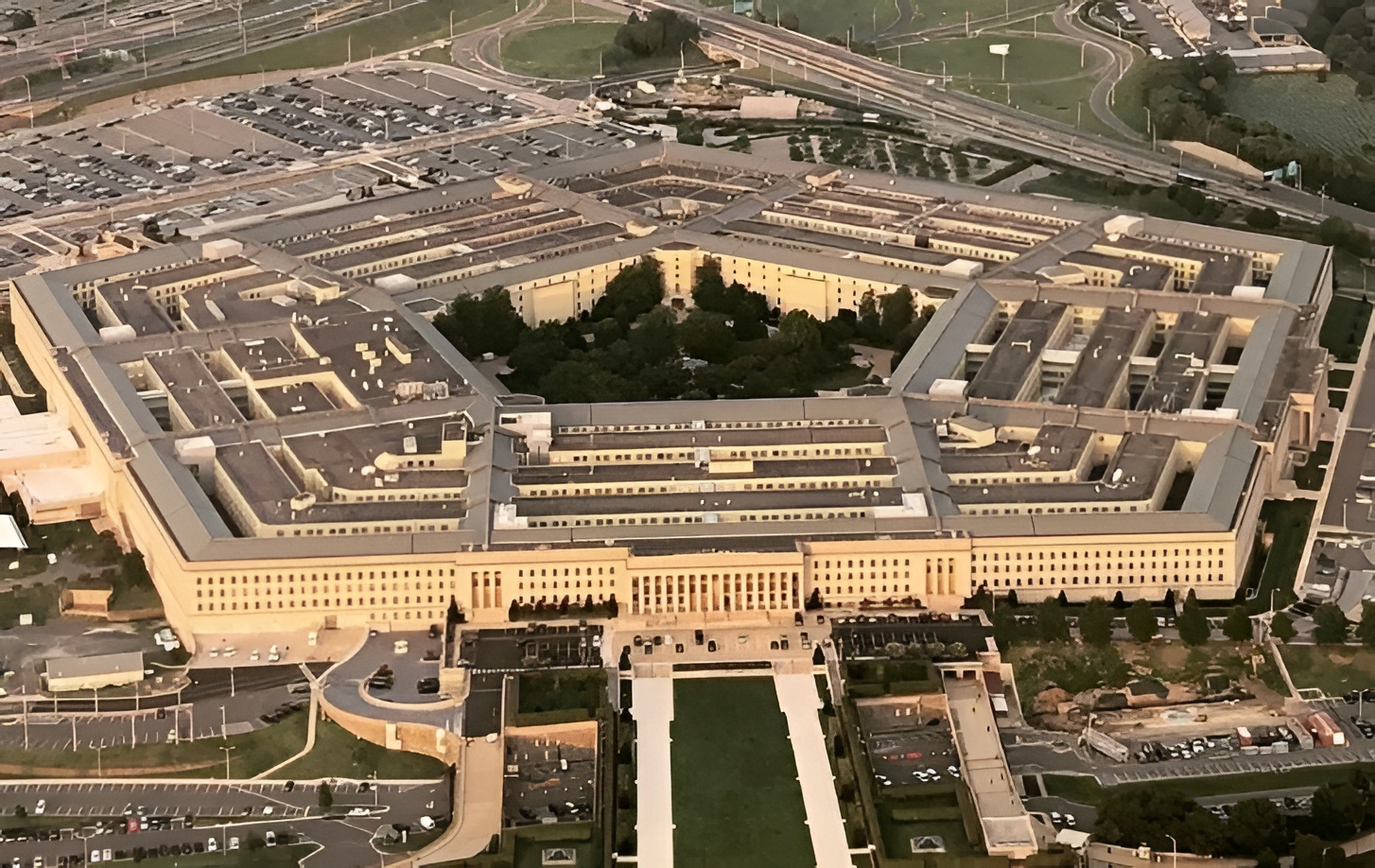
The Pentagon is planning a four-star command for military robotics and artificial intelligence while requesting $74 billion for drone and counter-drone systems in fiscal 2027. The proposed Autonomous Warfare Command is targeted to reach full operational status on October 1, 2027, but Congress must authorize the organization and approve its funding before either becomes an operational result.
The plan reflects an uncomfortable shift in U.S. military assumptions: Forces may no longer be able to organize and deploy from a homeland insulated from the opening effects of a major conflict. The Army now treats the defense of U.S. territory, infrastructure and mobilization capacity as a central planning problem alongside overseas combat operations.
Acting Army Chief of Staff Gen. Christopher LaNeve formalized that position in the August 19 directive The Army Azimuth.” It establishes three priorities: defending the homeland, warfighting, and projecting power on and from U.S. soil. The strategy identifies long-range weapons, proliferating autonomous systems, cyberattacks and other stand-off capabilities as threats that could degrade military power before forces reach a foreign theater.
A command intended to cut across service boundaries
The proposed Autonomous Warfare Command would have service-like authority to develop and field robotic and AI-driven capabilities across the Army, Navy, Air Force, Marine Corps and Space Force. That scope is significant because autonomous systems are not one product category. They range across aircraft, surface vessels, undersea vehicles, supporting software, sensors, communications and systems intended to detect or defeat hostile drones.
A central command could give those efforts a common institutional sponsor, align requirements and encourage larger purchases across military branches. The intended benefit is less duplication and a clearer path from experimentation to fielded equipment. The engineering challenge is preserving useful differences among environments: An autonomous aircraft, an undersea vehicle and a ground robot face different communications limits, navigation problems, maintenance demands and certification burdens.
Centralization also cannot substitute for measurable reliability. Systems must operate with degraded communications, uncertain positioning and incomplete data while remaining controllable and supportable. The Army’s directive explicitly tells soldiers to prepare for failed digital systems and jammed communications rather than assume uninterrupted connectivity. New formations are already integrating cyber, space, electronic-warfare and AI capabilities into their command structures.
That emphasis changes what counts as autonomous-system readiness. A successful demonstration is only an early milestone. Large fleets require repeatable manufacturing, software control, configuration management, trained maintainers, replacement parts and a way to verify updates across equipment supplied by different companies. Counter-drone investments bring another integration burden because detection, identification, command decisions and defensive responses must work as a system rather than as isolated devices.
The $74 billion request is larger than a drone purchase
The proposed fiscal 2027 allocation covers both drones and counter-drone systems and has been described as the largest single-year autonomous-systems investment in military history. Its public consequence extends beyond the headline number. Congress will have to weigh spending on large quantities of comparatively inexpensive machines against traditional aircraft, ships and other established programs, while deciding how much should go to production, software, testing, infrastructure and defenses.
The affected industrial base would extend from major defense contractors to smaller robotics, electronics and software suppliers. Scale could lower unit costs and support more production capacity, but rapid purchasing can also lock agencies into incompatible control systems or immature designs. Common interfaces and disciplined testing would therefore determine whether the appropriation creates a usable joint fleet or a collection of systems that remain difficult to operate together.
Previous oversight illustrates the organizational risk. A June 2026 Government Accountability Office assessment of Navy robotic and autonomous systems found that inconsistent leadership, shifting priorities and platform-centered acquisition had impeded progress. The proposed command directly addresses the leadership problem, but its effectiveness would still depend on stable requirements, authority over competing programs and coordination with the individual services.
The homeland focus also broadens the constituency affected by these decisions. Military bases depend on civilian energy, communications, transportation and manufacturing networks, many of which are owned or operated outside the Defense Department. Spending on autonomous systems cannot by itself make those networks resilient. The Army’s approach instead assumes forces must continue functioning when communications and supporting infrastructure are degraded.
The Pentagon has set October 1, 2027, as the target for a fully operational command. Before then, Congress must decide whether to establish it and how much of the $74 billion request to fund. Until those actions occur, the plan is a statement of scale and direction not yet a four-star command or a fielded autonomous force.
| More aerospace and engineering stories, right in your MSN feed. Follow AMI on MSN |
By Stephen Wallace — Editor for AMI’s aerospace integration and unmanned mobility coverage, focused on drone manufacturing, VTOL systems, autonomous networks, and air-ground mobility links.