Ukraine’s Patriot Batteries Reportedly Left Without Interceptors as Strikes Cut Power to 600,000
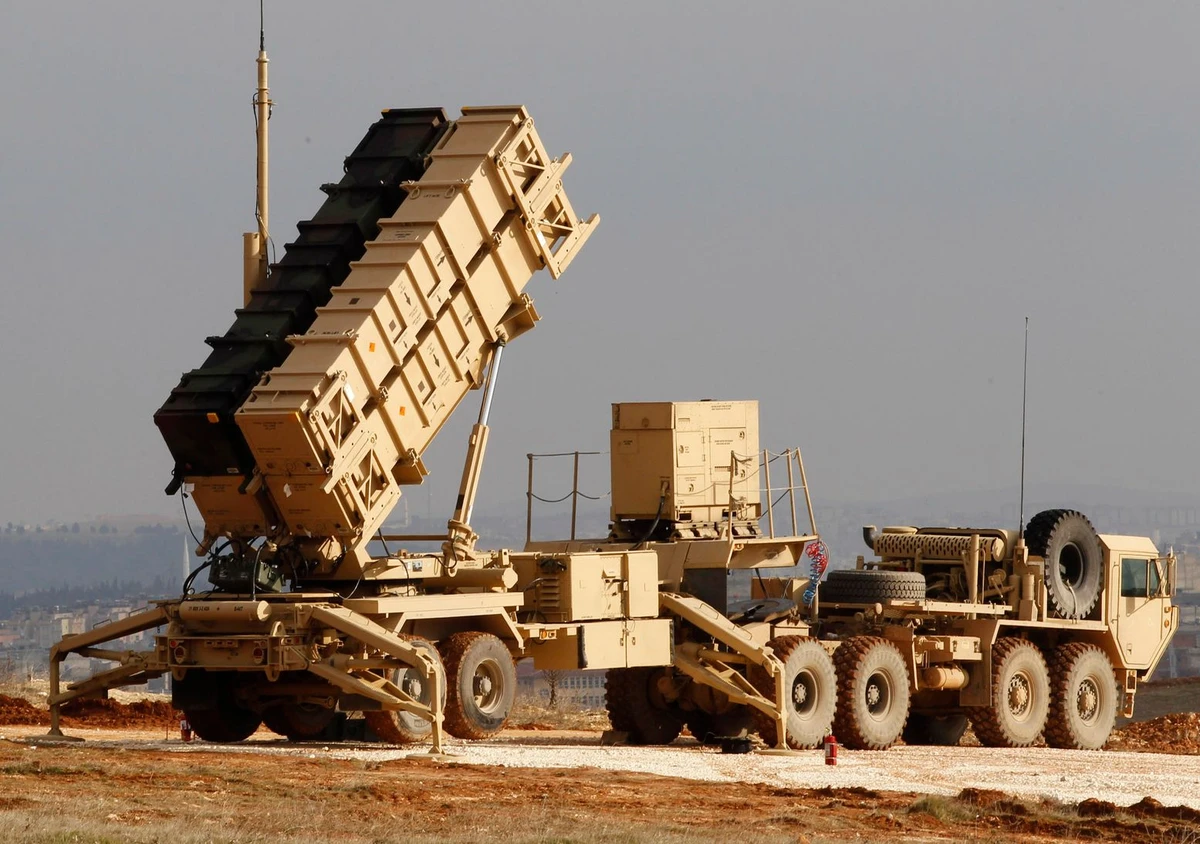
Ukraine still has Patriot air-defense equipment, but it has reportedly exhausted the interceptor missiles that give the system its strongest capability against ballistic threats. A person familiar with the situation told CNN that the available Patriot interceptors had run out, reducing protection for major cities and power infrastructure even while the batteries’ radars, control stations and launchers may remain operational.

The public consequence is already acute. The source attributed the failure to intercept almost all ballistic missiles during a recent Russian assault to the shortage, although Ukraine’s Air Force reported shooting down four ballistic missiles. The attack struck power facilities in Kyiv and energy infrastructure in Kharkiv, according to the reporting, leaving more than 600,000 residents without electricity. Four people were reported killed and 25 injured in Kyiv.
This is the central tension in modern air defense: owning a sophisticated system is not the same as having a sustained defensive capacity. A Patriot battery is a network of radar, engagement-control equipment, launchers and interceptor missiles. Once the suitable interceptors are unavailable, the remaining hardware cannot perform its intended ballistic-missile defense mission.
The interceptor is the critical consumable
Patriot can employ multiple interceptor variants against different aerial threats. The PAC-3 Missile Segment Enhancement, or PAC-3 MSE, is particularly important because it uses hit to kill technology. Rather than relying only on a nearby explosive detonation, it is designed to destroy a target through direct collision.
That capability requires a precision interceptor with complex components, tightly controlled manufacturing and extensive testing. Reported prices range from about $3 million to $5 million per missile, depending on the variant and other factors. Some components and production orders have lead times of roughly 18 to 24 months, meaning additional money cannot immediately turn into missiles ready for delivery.
Before more recent expansion work, global PAC-3 MSE output was reported at approximately 400 to 500 missiles annually. That production must serve multiple customers, including U.S. forces and international operators. Each additional order therefore enters an industrial system already balancing military demand, supplier capacity and long manufacturing cycles.
The U.S. Army is trying to push that capacity higher. On April 10, 2026, it announced a $4.7 billion contract action with Lockheed Martin to support accelerated PAC-3 MSE production. The Army said the effort is intended to expand manufacturing throughput and strengthen the supply chain, but its announcement did not specify how many additional missiles would be produced or when the higher output would become available.
Other defenses cannot simply fill the gap
Ukraine operates other air-defense systems, including NASAMS, IRIS-T and older Soviet-designed S-300 equipment. Those systems can remain useful against aircraft, drones or cruise missiles, depending on the system and engagement conditions, but they do not provide an equivalent replacement for Patriot’s specialized capability against advanced ballistic threats. Europe’s SAMP/T offers another option for engaging certain ballistic targets, though its availability is also described as limited.
The shortage therefore cannot be solved merely by shifting any available surface to air missile into a Patriot launcher. Interceptors are designed around specific launch equipment, guidance methods, software, radar inputs and qualification requirements. A country may possess a substantial collection of air-defense hardware while lacking enough of the correct ammunition for its most demanding defensive mission.
Ukrainian President Volodymyr Zelenskyy had said the country held only about one-tenth of the interceptors it urgently needed and repeatedly appealed to allies for more. He also said in September that Ukraine would receive a U.S. license to manufacture Patriot missiles, but that proposed arrangement reportedly did not materialize. Even if domestic production were approved, establishing a qualified missile-manufacturing line would still require suppliers, specialized facilities, trained personnel and validated processes.
Until replacement deliveries arrive, the shortage means fewer opportunities to defend cities and critical infrastructure from ballistic missiles. Accelerated contracts can expand the industrial base over time, but they cannot erase an empty magazine on an operational battery today.
| More aerospace and engineering stories, right in your MSN feed. Follow AMI on MSN |
By David Whitaker — Associate editor for AMI’s aerospace and drone systems desk, translating flight systems, aircraft programs, spaceflight, and UAV developments into accessible technical stories.