GM Will Close Plant Making Cadillac and Corvette Battery Components
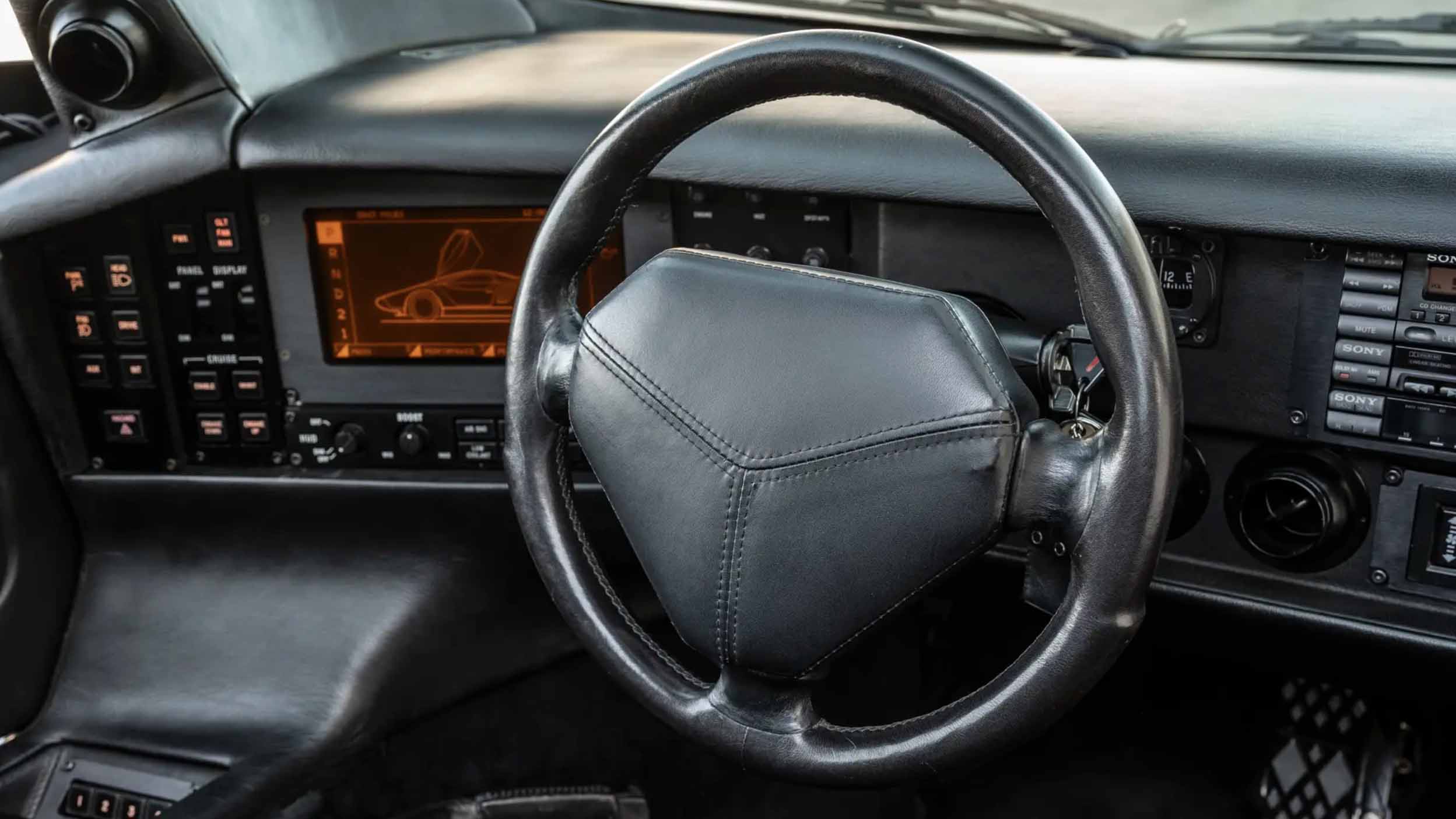
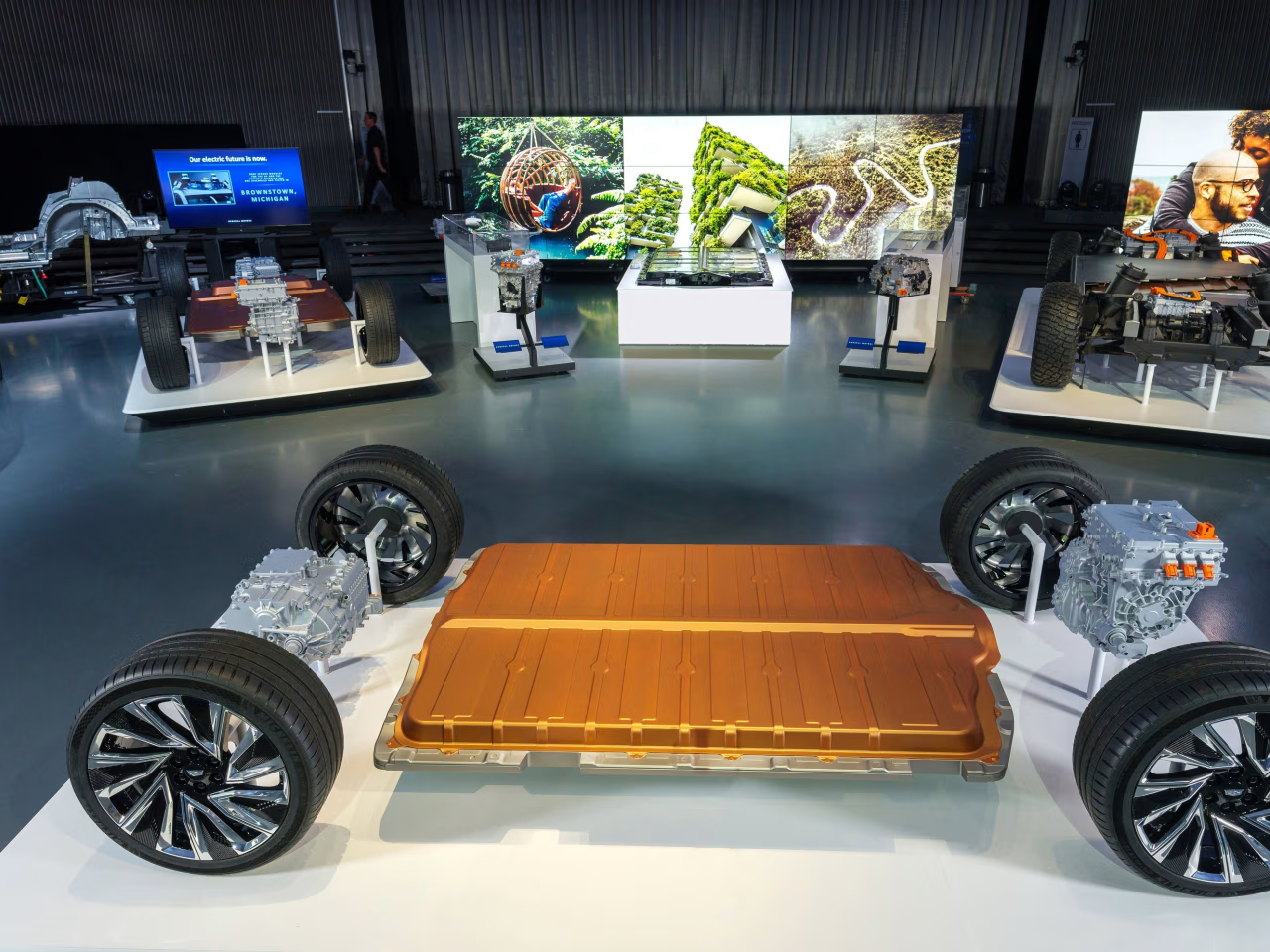
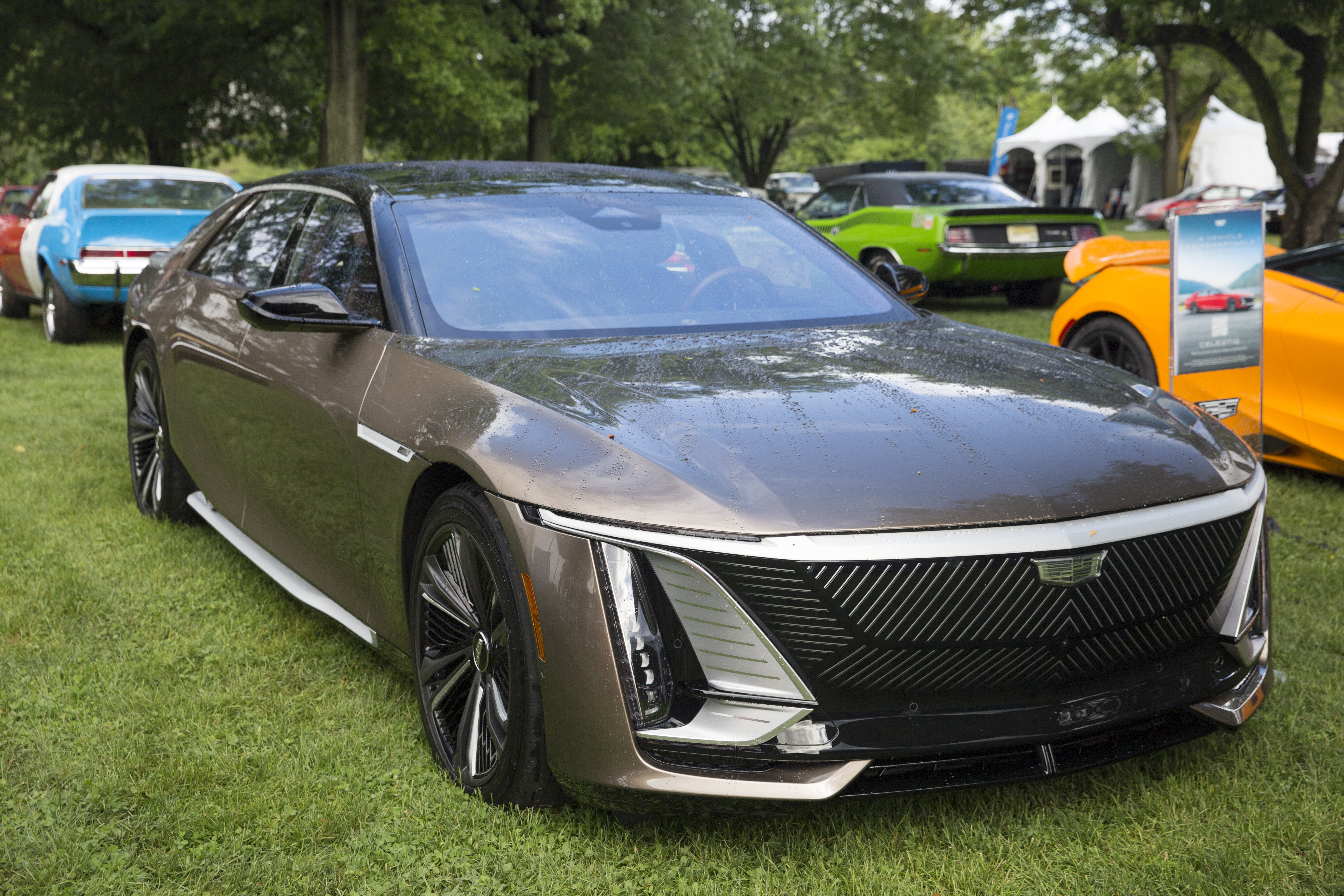
General Motors is preparing to close a battery plant even though the low-volume vehicles supplied by that facility still need its components. The 480,000-square-foot Brownstown Battery Assembly plant builds batteries and electric drive units for the Corvette E-Ray, along with batteries for the Cadillac Celestiq. GM says the leased Michigan facility will close when its lease ends next summer.

The immediate production issue is not whether that work will continue, but where. The lease on the Brownstown Battery Assembly plant is ending next year, and GM is planning to transition this work to other nearby GM facilities, a GM spokesperson told Car and Driver. The company has not identified which factories will receive the battery and electric-drive operations.
Low production volume does not eliminate the transfer challenge
Brownstown’s products serve specialized vehicles rather than one of GM’s highest-volume assembly lines. The all-wheel-drive Corvette E-Ray uses an electrified powertrain, while the Celestiq is Cadillac’s low-volume electric flagship. The Celestiq remains scheduled for 2027 production, and batteries and motors will still be required for the E-Ray and remaining hybrid Corvette variants.
Transferring that work involves more than assigning additional floor space. Battery-pack and drive-unit production depends on program-specific tooling, process controls, testing and traceability. GM has not disclosed the destination facilities, transfer schedule or whether Brownstown equipment will move with the programs. Without those details, the capacity and manufacturing arrangements behind the transition remain unresolved publicly.
Brownstown has occupied a significant place in GM’s electrification history since the automaker selected the site in 2009 for automotive lithium-ion battery manufacturing. Its workload changed as vehicle programs came and went, including an earlier reduction associated with the Chevrolet Volt. More recently, a union update identified an indefinite layoff affecting about 35 members beginning in November 2025, with transfer offers expected for Toledo Propulsion Systems. That earlier action was separate from the newly reported closure and did not represent a stated total for the plant’s workforce.
No reported change to owner support
The closure understandably raises a practical question for Celestiq and Corvette E-Ray owners and shoppers: Will batteries, replacement components and warranty service remain available after Brownstown shuts down? No change to vehicle warranties, battery servicing, replacement-part commitments or owner support has been reported as part of the closure plan.
A manufacturing transfer therefore should not be treated as an announced end to support for existing vehicles. Automakers routinely separate current production locations from service-parts obligations, and GM has explicitly said Brownstown’s work will move to nearby facilities. The unanswered issue is which plants will build the components and how the transition will be managed not whether GM has canceled the vehicle programs or withdrawn their warranties.
Hydrogen projects are also being unwound
The battery transfer is occurring alongside a retreat from two hydrogen-related operations. About 80,000 square feet at Brownstown reportedly supported hydrogen-energy development, and the site served for several years as headquarters for a GM-Honda fuel-cell joint venture formed in 2017. That partnership was dissolved last year, and GM stopped developing the associated fuel-cell system amid high costs, limited infrastructure and low demand.
Infrastructure is a fundamental constraint for vehicle-scale hydrogen deployment. The U.S. Department of Energy explains that broad adoption requires pipelines or road transport, storage, compression and dispensing equipment. Hydrogen’s low volumetric energy density also adds cost and energy losses during transportation and delivery. Those system-level requirements make the business case depend on sustained regional demand, not only on whether the fuel-cell hardware works.
GM is separately taking over Piston Automotive’s portion of a long-term lease for a roughly 300,000-square-foot Detroit building intended for another fuel-cell project. That partnership has also ended. GM plans to repurpose the building, but it has not announced its next use.
Together, the decisions reduce physical commitments tied to parts of GM’s previous electric-vehicle and hydrogen expansion while the company renews its emphasis on gasoline engines. They do not amount to a complete exit from electrification: Brownstown’s current battery and drive-unit work still has to go somewhere. Naming those receiving plants and showing that they can assume the specialized production before Brownstown’s lease expires is the next concrete milestone.
| More aerospace and engineering stories, right in your MSN feed. Follow AMI on MSN |
By Robert McKinney — Editor-in-Chief for AMI’s automotive and mobility coverage, with a mechanical engineering background and a decade reporting on powertrain systems, EV innovation, and global vehicle manufacturing.