Drone Shutdown Left Emirates A380 Circling South of Moscow for Two Hours
The world’s largest passenger airliner can cross continents, but it cannot treat every nearby airport as a usable alternative. That constraint confronted Emirates flight EK133 on October 23, when drone-related restrictions closed all four Moscow airports and left the Airbus A380 circling south of the capital for roughly two extra hours.

The Dubai to Moscow flight eventually landed safely at Domodedovo at approximately 17:11 local time, more than two hours after its scheduled 14:50 arrival. There was no public indication of a technical problem aboard the aircraft. The prolonged hold instead reflected a network-wide airport shutdown combined with the unusually demanding infrastructure requirements of an A380.
Russia’s federal air transport regulator stopped arrivals and departures at Sheremetyevo, Domodedovo, Vnukovo and Zhukovsky shortly after 14:00. According to a timeline of the restrictions, Domodedovo and Vnukovo resumed limited operations at 16:43. Flight-tracking data reportedly showed EK133, operated by aircraft A6-EEM, making repeated racetrack loops over the Penza region while it waited to continue toward Moscow.
Why a closer airport is not necessarily a suitable airport
For a smaller airliner, dispatchers and controllers may have a wider set of regional diversion choices. The A380 narrows that list before weather, fuel, traffic and local operating conditions are considered. Its wingspan is close to 80 meters, while its maximum takeoff weight approaches 560 tons. Those dimensions affect nearly every part of an airport movement.
The runway must offer suitable length and pavement strength, but runway compatibility is only the first filter. Taxiways need enough width and appropriate geometry, including clearance between the A380’s wingtips and nearby aircraft, buildings or other fixed objects. Aprons and parking positions must support the aircraft’s weight, while an appropriate gate or remote stand must be available.
Ground handling creates another layer of requirements. An airport receiving an A380 needs equipment and procedures capable of servicing a double-deck aircraft, handling its baggage and supporting its passengers. Airbus maintains dedicated airport-planning and aircraft-characteristics resources because compatibility extends well beyond whether an airplane can physically touch down.
Only a small number of Russian airports have been described as capable of handling the type. Domodedovo and Sheremetyevo are among them, along with Pulkovo in Saint Petersburg. With both primary Moscow options closed at the same time, a diversion that might have worked for another aircraft could have placed the A380 at an airport unable to park, service or efficiently unload it.
Holding preserved access to the planned destination
Other Moscow-bound flights were reportedly rerouted to airports including Kazan and Nizhny Novgorod, and reports indicated that at least 10 approaching domestic and international services entered extended airborne queues. EK133’s continued hold kept the aircraft positioned to use Domodedovo once limited operations resumed, avoiding the substantial ground complications that an unsuitable diversion could create.
The decision illustrates the operational tradeoff built into ultra-large aircraft. The A380 was designed to move many passengers through major hubs in a single flight. That concentration can be highly effective when the destination airport is available, but it reduces flexibility when several equipped hubs become unavailable together.
Airport preparation for the A380 has historically required substantial planning. A U.S. Government Accountability Office assessment published as the aircraft entered service in 2007 found that many airports needed infrastructure changes or operating restrictions to accommodate its size. Runways, taxiways, gates, terminal flows and ground equipment all formed part of the compatibility problem.
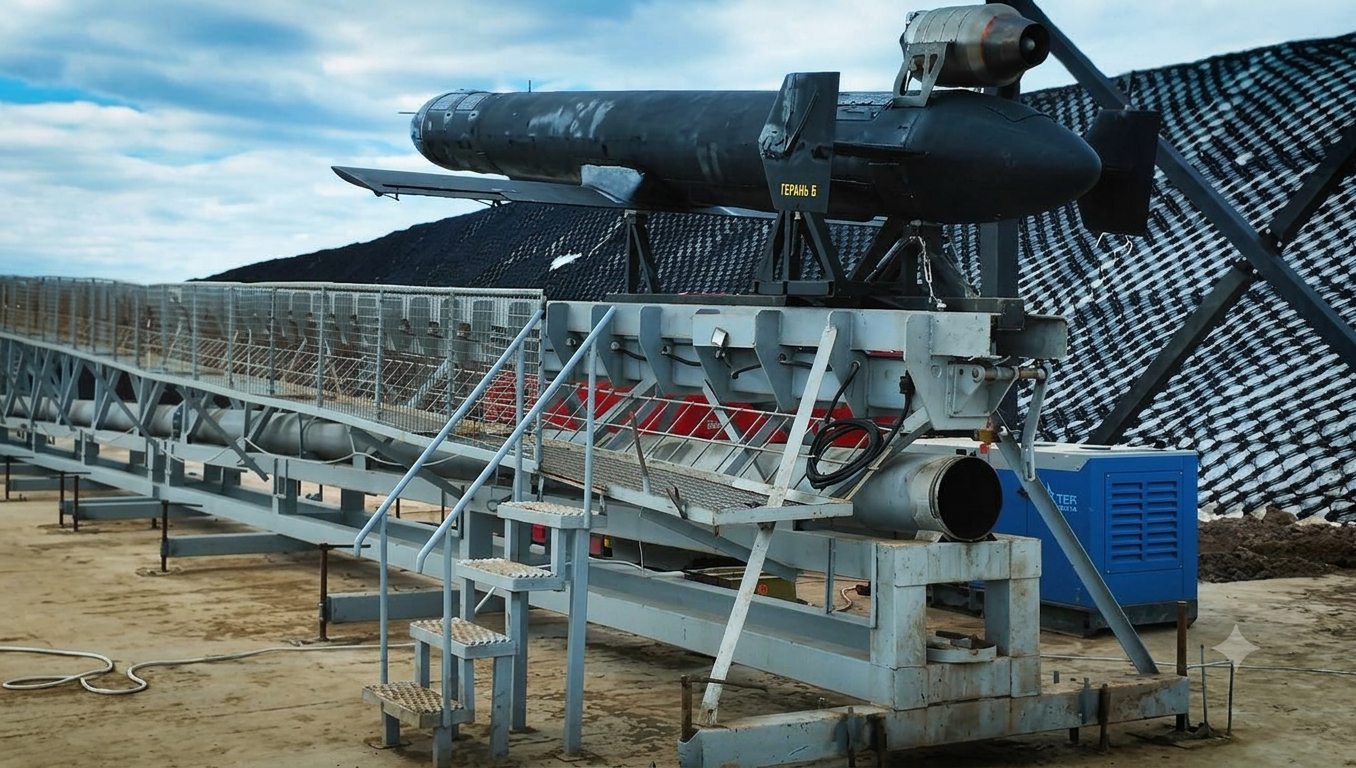
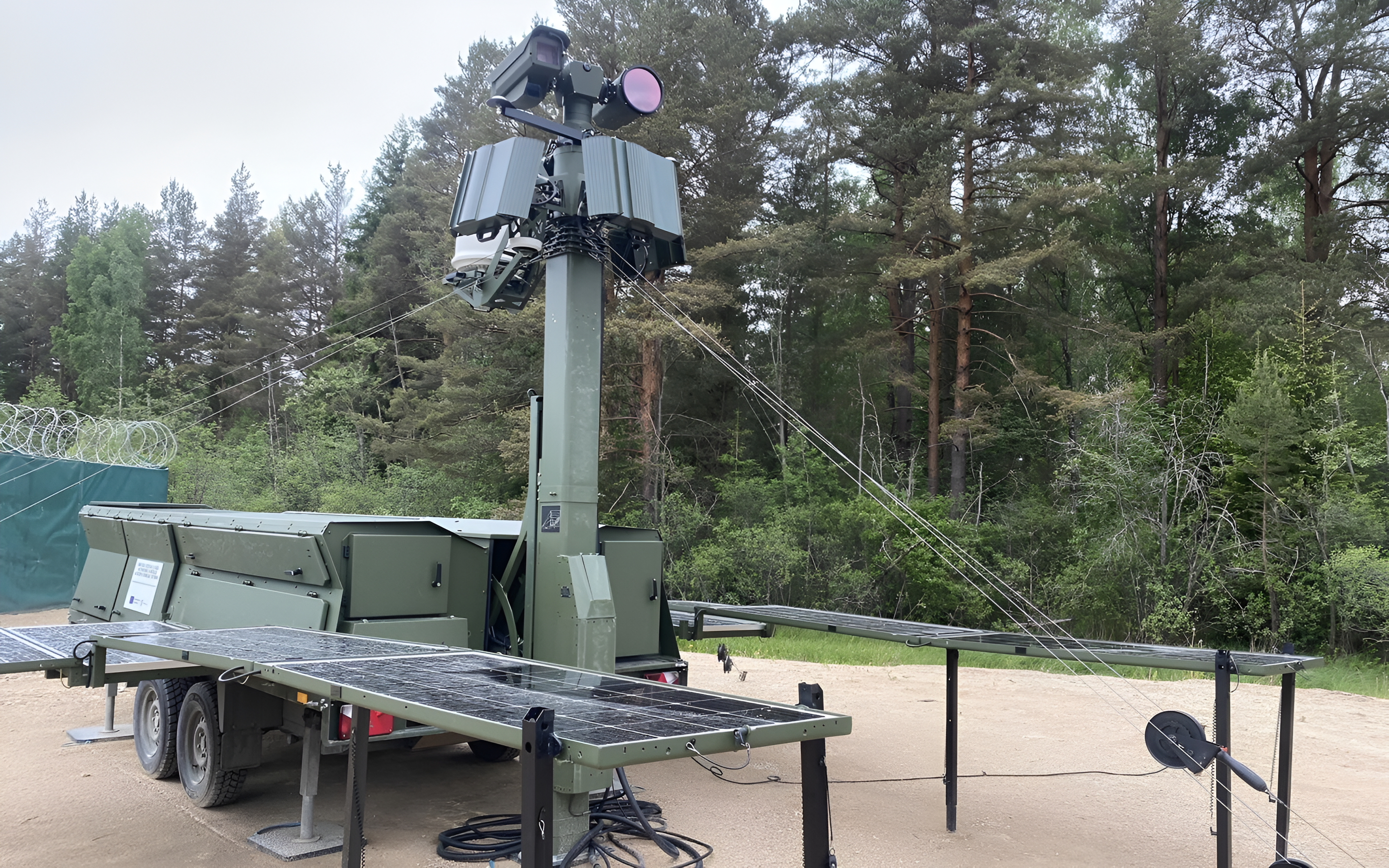
The Moscow closure also shows how unmanned-aircraft alerts can impose effects far beyond the immediate airspace concern. A security restriction applied across an airport network removes runway capacity at once, sending inbound aircraft toward holds or diversions and placing additional demands on controllers, airline operations teams and receiving airports. The disruption was the second full closure of Moscow’s four airports in two days, increasing the scheduling and passenger-handling pressure across the network.
For EK133, Domodedovo’s limited reopening restored the one resource the giant aircraft needed most: a destination already equipped to receive it. The A380’s size helps it carry large passenger loads between major hubs, but on October 23 that same scale turned a temporary airport shutdown into a two-hour airborne wait.
| More aerospace and engineering stories, right in your MSN feed. Follow AMI on MSN |
By Stephen Wallace — Editor for AMI’s aerospace integration and unmanned mobility coverage, focused on drone manufacturing, VTOL systems, autonomous networks, and air-ground mobility links.