Ozon Suspends Omsk Warehouse Deliveries After Drone-Triggered Fire
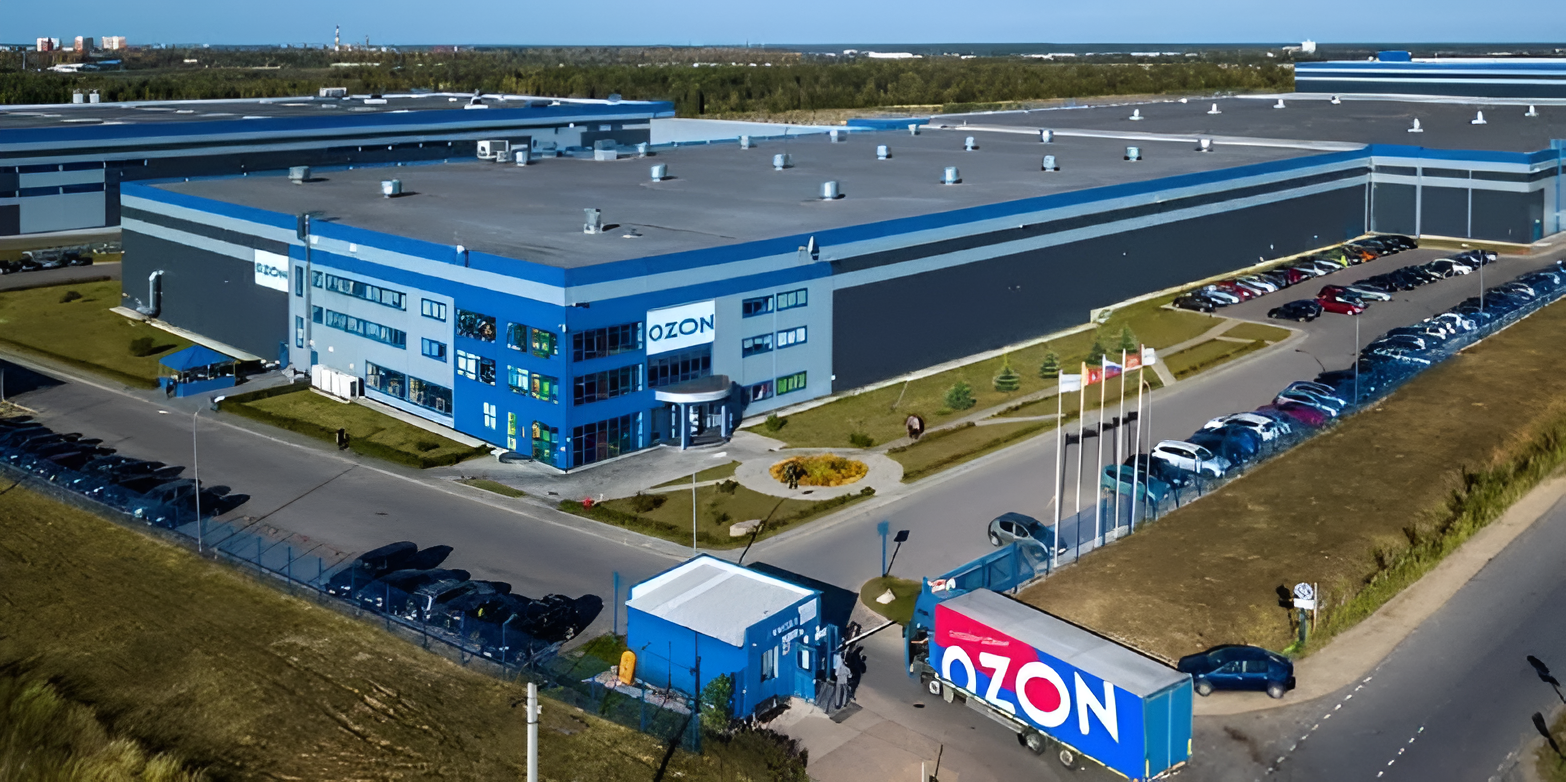
Ozon temporarily stopped accepting goods deliveries at its logistics center in Omsk after the company confirmed that a drone struck the facility and sparked a major fire. The October 24 shutdown removed the warehouse’s receiving function from normal operation, although Ozon did not specify how long the suspension would last or whether customer deliveries and other facilities were affected.

The confirmed interruption followed reports of drone activity in the northern industrial area of Russia’s Omsk region. The regional governor said drones had struck the industrial hub, and a mobile laboratory was due to check local air conditions. Ukrainian Telegram channels separately claimed that the Omsky Kauchuk chemical plant had been hit. That claim has not been confirmed by Ozon or the regional governor, and no party responsible for launching the drone was identified.
Why stopping inbound goods can disrupt the wider operation
A logistics center is more than a building that holds inventory. Its receiving operation forms the entry point for goods that must be unloaded, recorded, inspected, sorted and placed into storage before they can be assigned to orders. Suspending deliveries cuts off that intake process even if some inventory already inside the center remains usable.
The immediate constraint is physical capacity. Trucks and suppliers scheduled to deliver goods can no longer complete that part of the network’s normal flow at the affected site. Ozon would then have to decide whether incoming goods can wait, return to their origin or move through another facility. The available information does not establish which of those options Ozon is using, but each introduces additional handling, scheduling or transportation demands.
A receiving shutdown can also create an inventory imbalance. Goods held elsewhere do not automatically replace stock assigned to the affected warehouse: they must be available in sufficient quantities and positioned where the network can process them. A company may have multiple logistics centers, but redundancy depends on spare storage, labor, sorting and transportation capacity at the alternate sites. The existence of another warehouse therefore does not by itself reveal how quickly the interrupted volume can be absorbed.
The customer effect remains unknown. Ozon has not said whether orders will be delayed, canceled or fulfilled from other locations. That uncertainty reflects the difference between stopping inbound warehouse deliveries and stopping the entire distribution operation. A site can lose its intake function while other parts of the company’s network continue operating, but the duration of the outage determines how quickly that local constraint begins affecting inventory availability and order fulfillment.
Warehouse density complicates fire recovery
Modern warehouses concentrate goods and equipment into tightly managed spaces. The National Fire Protection Association notes that automated storage and retrieval systems, multiple-row racks, cold storage and lithium-ion batteries each introduce distinct fire-protection challenges. Dense storage can obstruct sprinkler distribution and restrict firefighter access, while automated equipment and charging stations add systems that require targeted detection and suppression.
Those general risks do not describe the design of Ozon’s Omsk center or establish how the fire behaved there. They explain why a warehouse cannot necessarily resume receiving goods as soon as visible flames are gone. Operators may need to determine whether storage areas, utilities, material-handling equipment, inventory records and fire-protection systems remain serviceable. Smoke or heat exposure can also affect goods beyond the point where a fire began, depending on what was stored and where.
Recovery time consequently depends on more than structural damage. A logistics facility also relies on coordinated software, scanning equipment, conveyors or other handling systems, safe access routes and accurate inventory data. The available reporting provides no damage estimate, fire-containment status or assessment of the center’s remaining capacity, so it is not yet possible to calculate how much of the operation can return or when.
A low-cost aircraft can impose a larger readiness burden
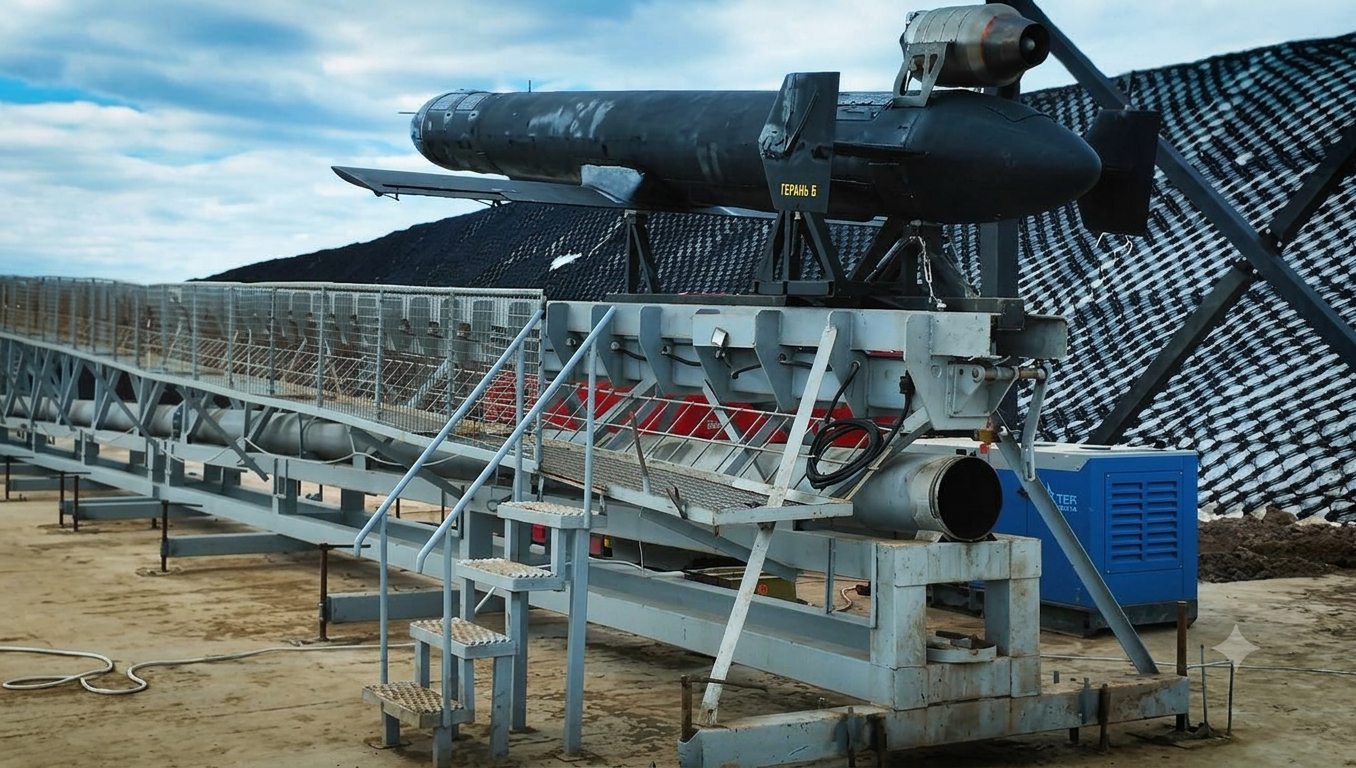
The interruption also illustrates the asymmetric industrial pressure created by uncrewed aircraft. One drone reaching a logistics site can force fire response, environmental monitoring, safety inspections and network replanning across organizations far larger than the aircraft itself. That consequence does not require the destruction of an entire facility; temporarily denying access to a receiving area can be enough to remove useful capacity.
For regional readiness, the burden extends beyond intercepting an aircraft. Authorities and operators must also manage warnings, emergency response and continuity at multiple industrial facilities whenever drone activity is reported. The Omsk event offers no basis for judging the effectiveness of local defenses or the scale of the broader drone operation, but it does show a confirmed industrial consequence: Ozon’s logistics center was built to keep goods moving, and the fire forced it to stop accepting them.
| More aerospace and engineering stories, right in your MSN feed. Follow AMI on MSN |
By Stephen Wallace — Editor for AMI’s aerospace integration and unmanned mobility coverage, focused on drone manufacturing, VTOL systems, autonomous networks, and air-ground mobility links.