Ukrainian Drones Hit Ozon and Wildberries, Squeezing Holiday Sales
For months, Ukraine has expanded its asymmetric deep-strike campaign beyond traditional frontline military targets and fuel refineries, aiming directly at Russia’s broader logistical backbone. By dispatching long-range strike drones hundreds of miles past heavily contested airspace, Kyiv has systematically disrupted the domestic distribution networks that anchor civilian and military commerce alike. This campaign of sustained aerial pressure has now reached the Russian consumer economy, leaving retail giants ‘Ozon’ and ‘Wildberries’ facing severe inventory shortages ahead of the annual holiday shopping season.
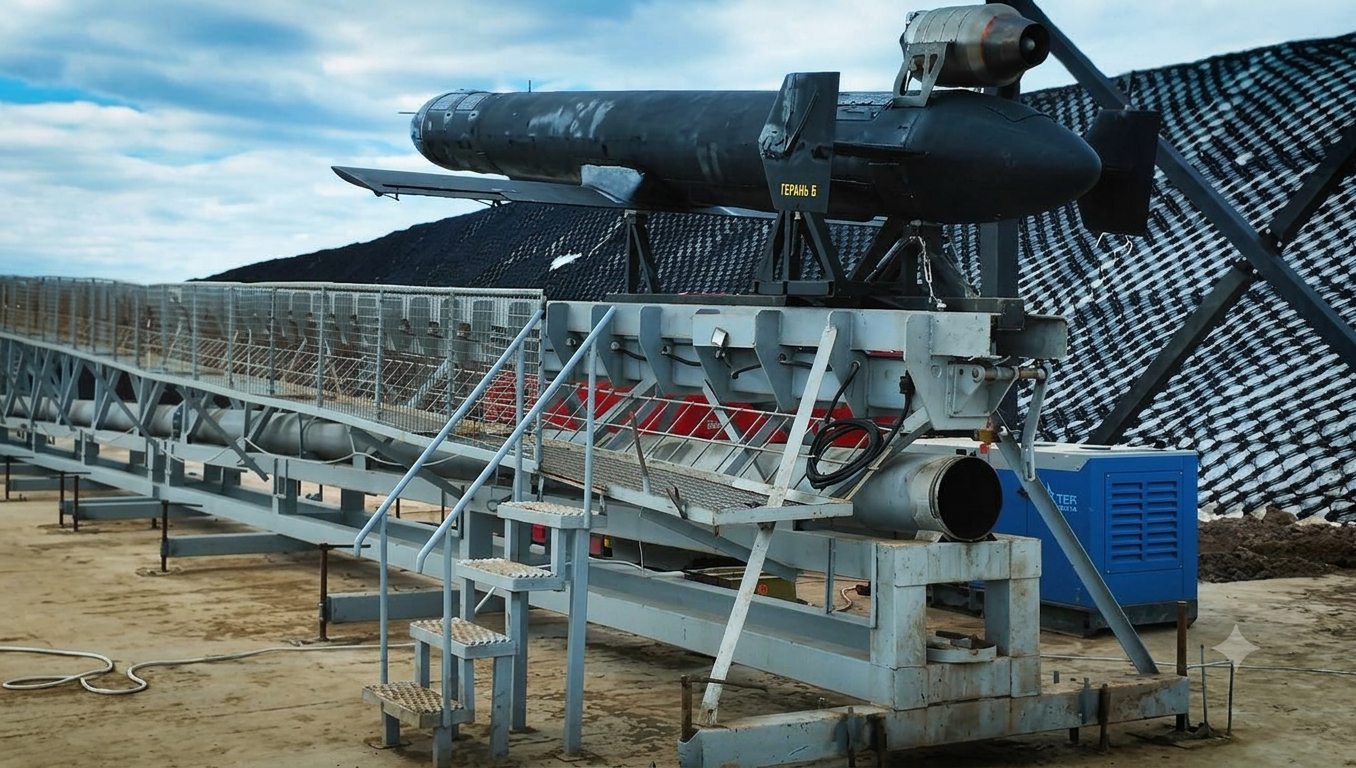
Ukrainian operators from the Unmanned Systems Forces have weaponized long-range unmanned aerial vehicles capable of evading layered radar and electronic warfare cordons. Flying low across Russian airspace, these autonomous platforms have consistently struck sprawling fulfillment centers that house critical supply chains across western Russia, the Urals, and Moscow’s immediate perimeter. These strikes bypass standard interception efforts, turning concentrated warehousing hubs into vulnerable choke points for domestic logistics.
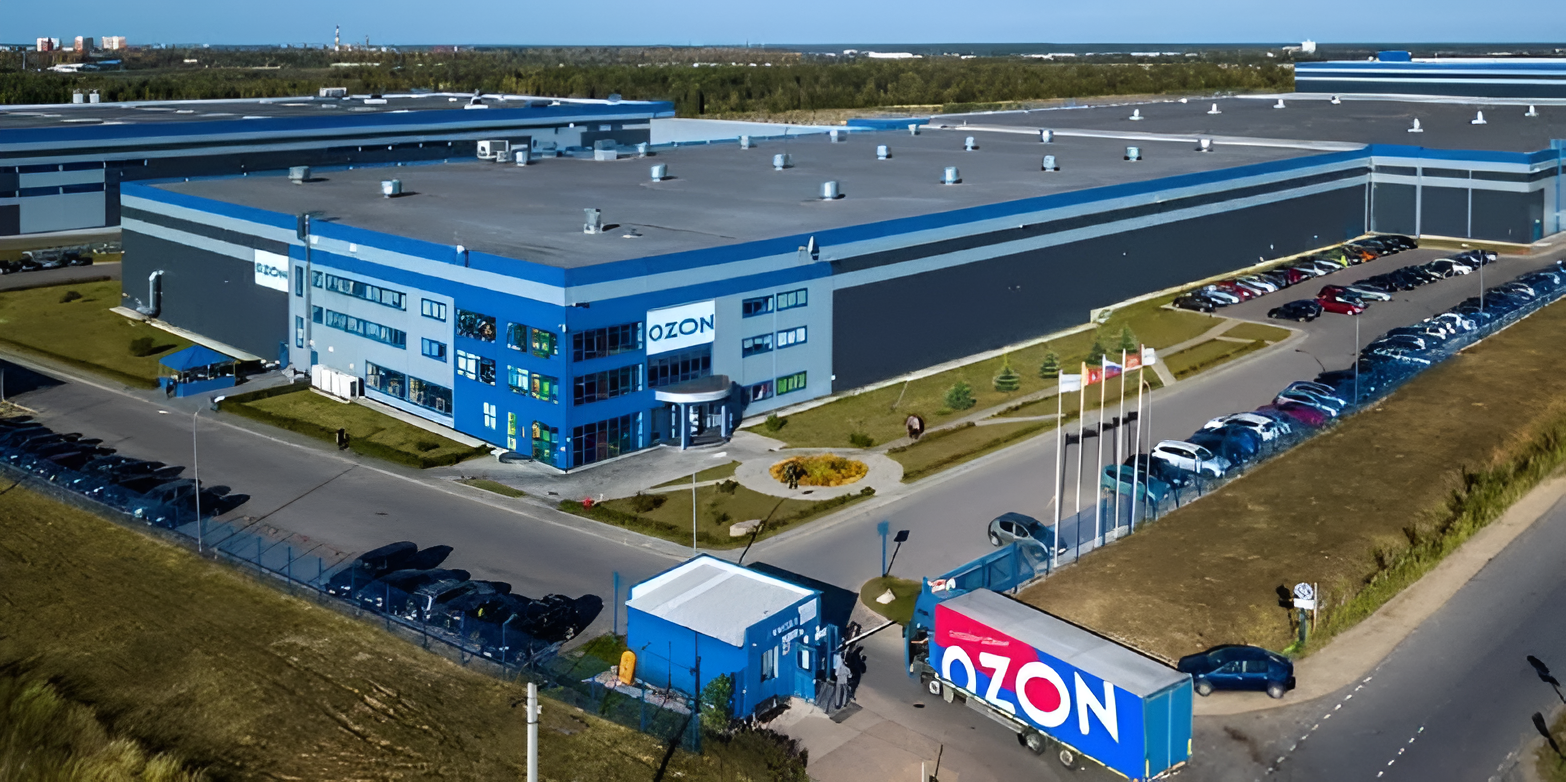
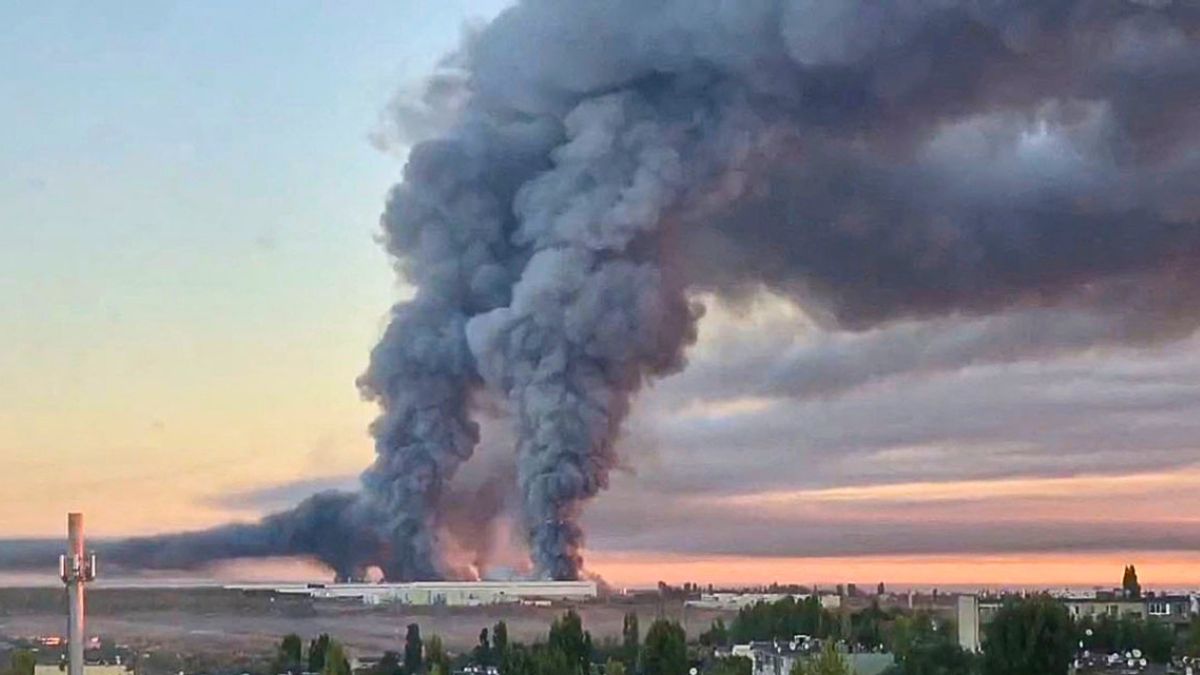
That mounting physical toll has prompted Russian merchants across ‘Ozon’ and ‘Wildberries’ to drastically curtail their participation in upcoming Black Friday sales, as stockpiles literally burned to the ground before promotions could begin. Industry data from Moscow-based analytical agency Data Insight reveals that Ukrainian strike drones have hit warehouse facilities belonging to the two e-commerce giants at least 45 times since late July 2026. The recurring blazes have damaged more than 22.6 million square feet of commercial storage space, inflicting merchant losses calculated in the hundreds of billions of rubles.
😆 Ozon and Wildberries won’t be holding their usual Black Friday sales That’s because Black Friday came early in Russia — the goods went up in flames before the sales even began. So this year, many sellers have bigger problems than offering discounts. However, the marketplaces promise that some discounts will still be available, but only on a limited range of products.
— NEXTA (@nexta_tv) October 26, 2026
Small business owners and major retail executives report that depleted inventories have made traditional promotional price-cutting impossible. Boris Kats, owner of the ‘Leonardo’ hobby hypermarket chain, explained that “there are no excess goods; a sale, if any, will only cover a very limited range”. Other prominent retail leaders echoed the sentiment, noting that past-season stockpiles typically liquidated during November sales were consumed in warehouse blazes across several regions.
Logistics providers across the country are already registering the operational fallout from the disrupted delivery nodes. Russian freight firm Byte Transit documented a 12% drop in commercial transport waybills during the late summer cycle, a window when merchants traditionally stage foreign shipments for autumn events. The mounting physical risks even forced marketplace executives to explore emergency storage solutions across the border in neighboring Kazakhstan, as reported by The Moscow Times.
From Kyiv’s operational perspective, commercial fulfillment hubs represent dual-use tactical infrastructure rather than purely civilian enterprises. Ukrainian defense planners argue that platforms like ‘Wildberries’ process substantial volumes of commercial drone kits, body armor, navigation gear, and ruggedized communication equipment destined for soldiers on the front lines. Ukrainian long-range strikes have repeatedly hit these fulfillment centers alongside strategic fuel depots to degrade Moscow’s war-sustaining capacity, as the Associated Press reported.
By neutralizing the storage facilities that maintain both consumer availability and private military supply lines, Ukrainian planners have introduced domestic friction directly to Russian cities far from the trench lines. As merchants refuse discounts to preserve their remaining margins, the economic cost of the air campaign becomes undeniable for ordinary consumers. The absence of traditional retail festivities illustrates how modern unmanned warfare can puncture the appearance of domestic normalcy hundreds of miles from the battlefield.