Ukrainian Drone Pressure Reportedly Cuts Three Russian Ports’ Cargo Up to 100%
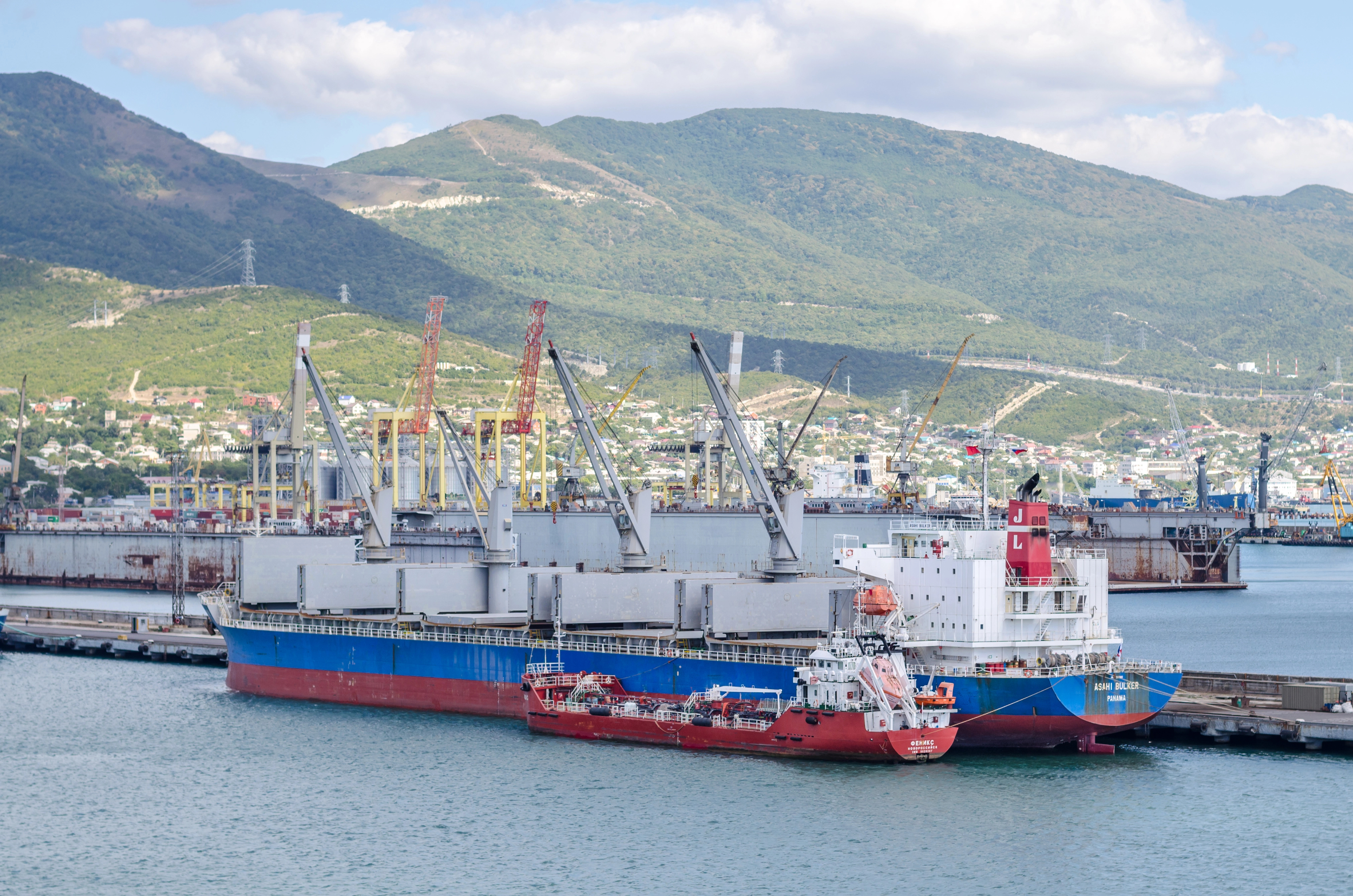
Cargo activity at the Russian Black Sea ports of Novorossiysk, Taman and Tuapse reportedly fell 95% to 100% below pre-attack levels in September, prompting Krasnodar Krai Governor Veniamin Kondratyev to request emergency federal support. The regional government attributes the disruption to sustained Ukrainian aerial and naval drone pressure during 2026.

Kondratyev’s figures describe an industrial stoppage extending well beyond damaged infrastructure. Passenger traffic reportedly fell 85%, between 20,000 and 25,000 port workers have been left idle, and combined monthly losses for businesses and public budgets are claimed to exceed 200 billion rubles, approximately $2.2 billion. Those traffic, workforce and financial estimates have not been independently confirmed.
Usable capacity can disappear without total physical destruction
A port’s capacity is determined by more than whether its cranes, berths and storage systems remain standing. Ships must be willing and able to approach, insurers must cover the voyage, workers must be available, and terminal operators need predictable operating windows. Repeated closures can break that chain even when the extent of physical damage remains uncertain.
The regional account includes an August 12 attack that reportedly halted two major grain terminals in Novorossiysk, but the wider capacity problem is cumulative. Every interruption can leave vessels waiting, cargo out of sequence and labor scheduled for work that cannot proceed. Restarting also requires coordination across pilots, tug operators, rail connections, trucking, customs processing and storage yards.
Research on reduced port capacity has found that disruptions can propagate into shortages involving transport links, equipment and containers. Companies can redirect cargo to other ports or transport modes, but such flexibility competes for limited alternative capacity. A near-total reported decline across three ports therefore implies a much harder recovery problem than a temporary closure at one terminal.
Insurance is becoming an operating constraint
Kondratyev’s request says commercial premiums for Black Sea facilities have increased by as much as 25 times. His proposed package would create state-backed war-risk reinsurance alongside wage subsidies, tax and federal-property-lease deferrals, and reimbursement for loan interest.
War-risk coverage translates perceived danger into a direct cost on each voyage. S&P Global reported that the additional premium for Black Sea crude shipments rose from $2 per barrel on July 17 to $3.70 on July 29 before easing to $2.90 on September 30. Its insurance-industry interview also described additional notification and coverage requirements for vessels entering designated high-risk waters.
Those costs can reduce practical throughput before a port reaches a physical limit. A shipowner may demand a higher rate, a charterer may postpone a cargo, or an insurer may impose conditions that narrow the available pool of vessels. State-backed reinsurance would shift part of that risk from private operators to the federal government, helping voyages continue while exposing public finances to losses commercial insurers consider unusually costly.
Drone pressure creates a readiness and continuity burden
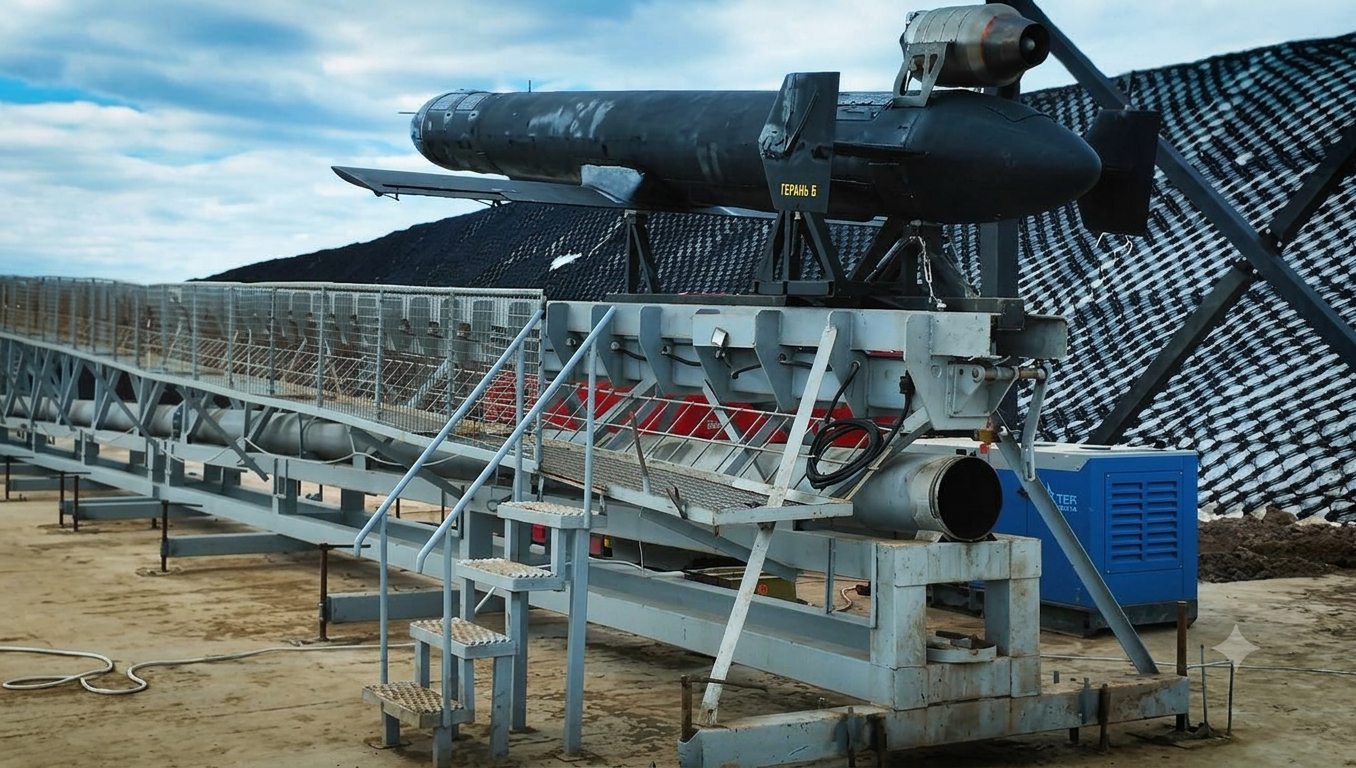
The reported decline illustrates how recurring drones can impose continuing readiness costs rather than a single repair bill. Port authorities must repeatedly balance airspace and waterside security, worker safety, vessel movements and restart decisions. Defenses and warning systems must remain available across multiple facilities, while an attacker can sustain pressure with successive unmanned operations.
That is an industrial-capacity contest as much as an individual-platform contest. The operational effect depends on whether drone activity can recur often enough to keep closures, insurance pricing and labor disruption elevated. For the ports, resilience depends on restoring dependable operating periods, retaining skilled workers and preserving access to ships and coverage not solely repairing visible damage.
Broader export data supports a serious but more varied picture than the regional 95% to 100% cargo claim. The Centre for Research on Energy and Clean Air reported that Russian port loadings of oil products fell 12% month over month in September and were around half their September 2025 level. Its September analysis said Tuapse had not loaded a full oil-product cargo since June, while oil-product exports from Novorossiysk declined only 3% month over month. Different cargo categories, baselines and port boundaries may account for part of the gap, but the governor’s aggregate figures still require verification.
Deputy Prime Minister Dmitry Patrushev has directed several federal ministries to review the rescue proposals, with recommendations expected in the coming weeks. No package has been approved. Until then, thousands of workers remain tied to ports whose reported cargo activity has nearly vanished, while the requested reinsurance plan leaves Moscow to decide how much commercial war risk it is willing to absorb publicly.
| More aerospace and engineering stories, right in your MSN feed. Follow AMI on MSN |
By Stephen Wallace — Editor for AMI’s aerospace integration and unmanned mobility coverage, focused on drone manufacturing, VTOL systems, autonomous networks, and air-ground mobility links.