Moscow’s Four Airports Reopen After Drone Alert, but Disruptions Persist
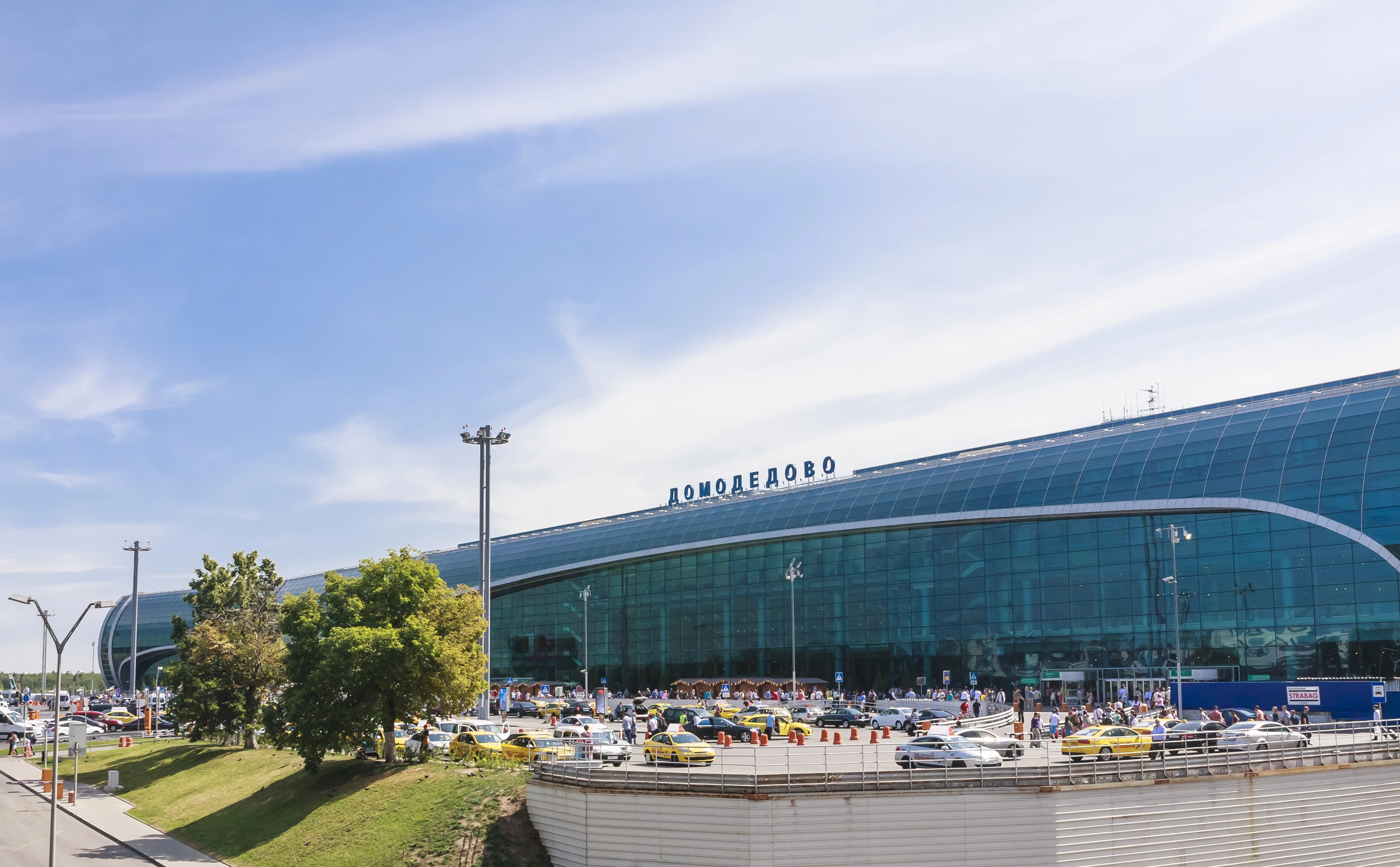
All four international airports serving Moscow reopened on Friday, October 23, after a drone alert temporarily stopped arrivals and departures across the metropolitan airport network. Sheremetyevo, Domodedovo, Vnukovo and Zhukovsky restored operations, but officials warned that delays and schedule changes could continue as airlines recovered diverted flights, displaced aircraft and interrupted rotations.

The restrictions briefly removed an airport system that normally handles roughly 200,000 passengers and more than 1,000 aircraft movements per day. At Sheremetyevo, Russia’s busiest airport and Aeroflot’s main hub, passengers were escorted off aircraft and into shelters. The evacuation order was lifted later that day. Moscow-bound flights were also diverted, including to Pulkovo Airport in St. Petersburg.
Reopening the runways and airspace restored availability, not the original schedule. Every diverted aircraft had to be positioned for a later departure, while crews, passengers, baggage and ground services were no longer necessarily at the airports or gates specified in airline plans. Flights held before departure elsewhere could then arrive in a concentrated wave, adding demand just as the Moscow airports resumed processing traffic.
This is why an airport restriction can produce delays long after it ends. Airline schedules depend on aircraft completing linked flights through the day. A late inbound service can delay the aircraft’s next departure, affect a crew’s duty time and leave passengers unable to make connections. Spare gates, ground teams and replacement aircraft provide some recovery margin, but that margin is finite across a network serving a major city.
Industry-wide delay data illustrate the importance of these knock-on effects. Eurocontrol’s 2023 analysis of European air transport delays found that reactionary, or knock-on, delay accounted for 46% of delay minutes that year. That figure does not measure the Moscow shutdown, but it shows why restoring airport access alone does not immediately return an airline network to its published timetable.
The distribution of Moscow’s traffic compounds the recovery problem. Sheremetyevo normally handles about 111,000 passengers daily, compared with approximately 49,000 at Vnukovo, 39,000 at Domodedovo and 4,000 at Zhukovsky. Closing all four at once eliminates the normal possibility of preserving metropolitan capacity at another local airport. Diversions must instead move farther away, increasing the work required to return aircraft and passengers to their intended network positions.
The interruption also landed on an airport system already handling slightly less traffic than a year earlier. Rosaviatsia figures analyzed by Interfax show that Sheremetyevo, Vnukovo and Domodedovo processed a combined 40.4 million passengers during the first seven months of 2026, down 3.5% year over year. Sheremetyevo handled 24.5 million, Vnukovo just over 9 million and Domodedovo 6.9 million. Lower annual traffic does not eliminate disruption when capacity is removed suddenly and across every international airport serving the city.
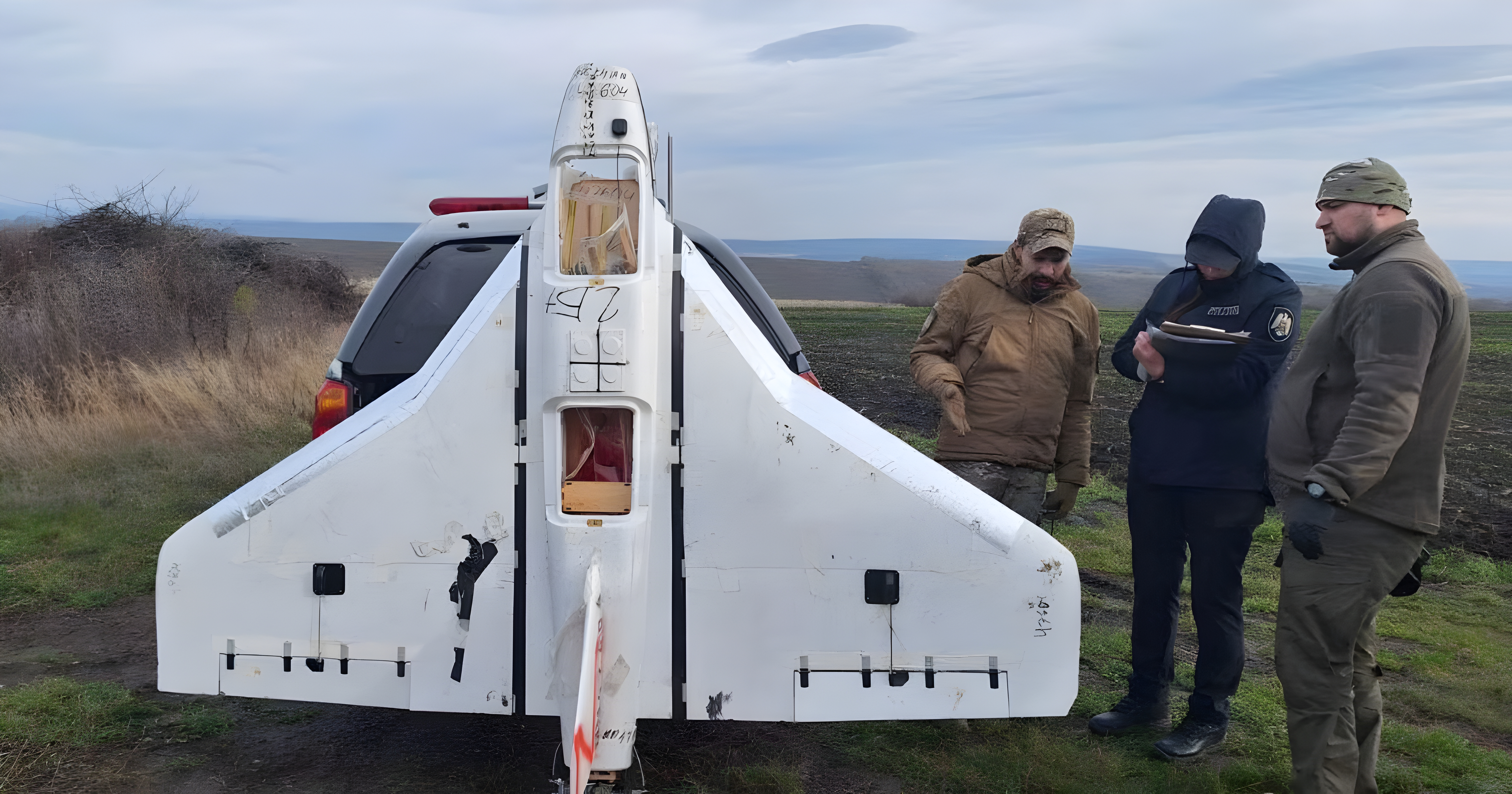
Russian authorities attributed the restrictions to a large drone event and claimed that air defenses downed 155 Ukrainian drones over Moscow and the surrounding region overnight. Moscow Mayor Sergey Sobyanin separately reported earlier Friday that 19 unmanned aircraft had been intercepted while approaching the capital. Those official claims cover differently described areas and reporting periods, so they should not be combined into a single total.
For civilian aviation, the operational issue is the uncertainty created while authorities assess whether flights can continue safely. The International Civil Aviation Organization’s conflict-zone guidance calls for governments, aircraft operators and air navigation providers to exchange current risk information, while airlines also conduct their own assessments. A restriction can therefore be imposed quickly, but reopening requires coordinated decisions across airspace management, airports and individual carriers.
Passengers were advised to monitor official announcements and confirm flight information directly with their airlines because schedules remained subject to change. The four airports were open again, but aircraft, crews and passengers still had to be moved back into place across a system built around more than 1,000 daily arrivals and departures.
| More aerospace and engineering stories, right in your MSN feed. Follow AMI on MSN |
By Stephen Wallace — Editor for AMI’s aerospace integration and unmanned mobility coverage, focused on drone manufacturing, VTOL systems, autonomous networks, and air-ground mobility links.