Ukrainian Drone Strikes Leave Rosneft Refineries Across Russia With Prolonged Outages
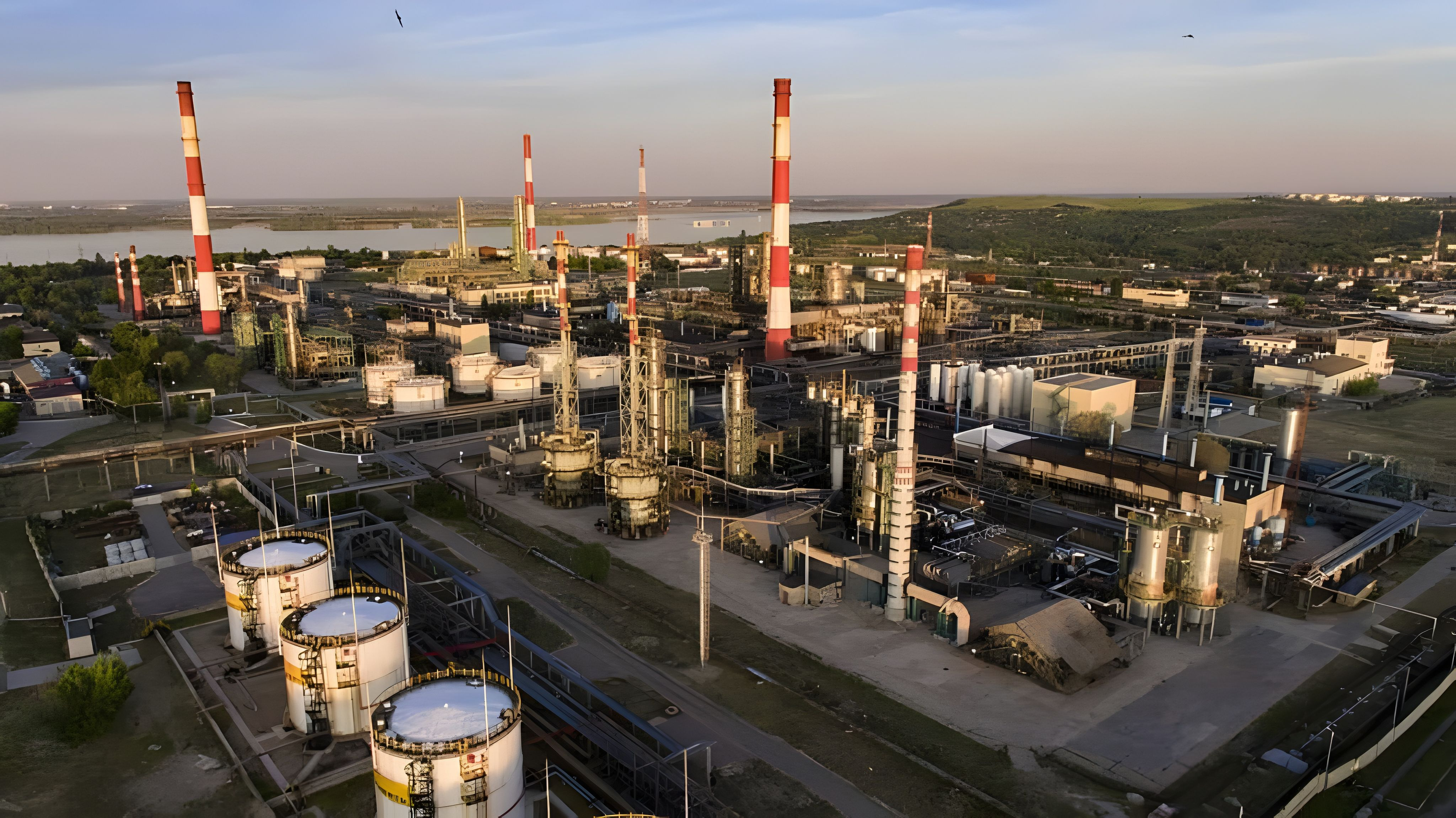
Rosneft’s enormous refining network is designed to supply fuel across Russia, yet repeated Ukrainian drone strikes have left several of its major plants shut down or operating intermittently. Bloomberg reported on October 22 that the disruption was creating mounting operational and financial pressure at a state-run company whose 12 refineries represent about one-third of Russia’s total refining capacity.
The central industrial problem is no longer a single temporary shutdown. Documents and data reviewed by Bloomberg indicated that the Ryazan refinery had been closed for more than half the time since a May 2026 attack and ran far below capacity when operating. Syzran was reportedly offline or below one-third of capacity for most of the previous six months, while the Tuapse refinery had remained shut since April.
Those operating patterns turn intermittent damage into a network-level availability problem. A refinery cannot recover its lost production merely by restarting: extended outages also leave less operating time in which to process crude, rebuild product inventories and absorb scheduled maintenance elsewhere. When multiple plants experience overlapping interruptions, spare capacity within the wider system must cover more of the load for longer.
Large capacity does not guarantee usable capacity
Rosneft’s scale provides some flexibility because production can potentially be shifted among facilities. But nominal capacity the amount plants are designed to process is different from available capacity at a particular moment. The latter depends on equipment condition, feedstock flows, supporting utilities, storage, transport connections and the ability to keep processing units running consistently.
Ryazan illustrates the consequence. The plant, described as Russia’s fourth-largest refinery, supplies Moscow and the surrounding region. Bloomberg reported that a subsequent drone attack forced one of its main crude-distillation units to suspend operations. Crude distillation is an early step in refinery processing, so reduced availability at that stage constrains the material flowing into later production units even if other sections remain serviceable.
Syzran adds another scale indicator. Its annual crude-processing capacity is approximately 9 million metric tons, but Bloomberg’s data showed it spent much of six months either offline or running at less than one-third of capacity. That gap between installed capacity and sustained output is the clearest measure of the burden: a large plant offers limited system support when its actual utilization remains depressed.
The repeated nature of the campaign also creates a broad readiness demand. Bloomberg counted five Rosneft facilities supplying western Russia among 15 confirmed refinery strikes during September. Its estimate, based on public Russian and Ukrainian statements, placed the number of attacks on Russian refineries at at least 114 from January through October, with confirmed hits more than doubling from the comparable 2025 period. Those totals remain an attributed assessment rather than a complete official accounting, but they show why protection, inspection and restoration resources must be managed across a network rather than concentrated on one plant.
A rebound shows both resilience and its limits
Russia’s refining system subsequently demonstrated that part of the lost output could return quickly when the pressure eased. After attacks reportedly stopped in mid-October, Russian refineries increased crude processing by about 25% in the second half of the month compared with its beginning, reaching roughly 5 million barrels per day, three unnamed industry sources told Reuters.
That recovery indicates that outages across the country did not all represent permanent loss. It also exposes the operating boundary: the increase followed a pause in attacks, and a national throughput rebound does not establish that every long-idled Rosneft unit had returned to full service. Industrial resilience is measured not only by whether equipment can restart, but by whether plants can sustain production long enough to restore inventories and normal maintenance margins.
The company-level finances reflect that accumulated pressure, although refinery outages are only one part of Rosneft’s broader business performance. Bloomberg reported that first-half 2026 net income fell almost 20% to 200 billion rubles, or $2.4 billion. Its ratio of net debt to earnings rose by 1.8 times to the highest level in more than five years. Rosneft officials privately expressed concern that several more months of attacks could cause lasting damage, according to the report.
The consequences extend beyond Rosneft’s balance sheet. The International Energy Agency’s October Oil Market Report said lower Russian and Middle Eastern supply helped cut global gasoil and diesel exports to an average 4.7 million barrels per day during the first nine months of 2026, 10% below a year earlier. The IEA also said current Russian export constraints stemmed from insufficient operational refining capacity.
October’s processing rebound showed that idle capacity can return when interruptions subside. The months-long records at Ryazan, Syzran and Tuapse show the harder constraint: a refinery network controlling one-third of a country’s capacity can remain large on paper while repeated outages sharply reduce how much of that capacity is reliably available.
| More aerospace and engineering stories, right in your MSN feed. Follow AMI on MSN |
By Stephen Wallace — Editor for AMI’s aerospace integration and unmanned mobility coverage, focused on drone manufacturing, VTOL systems, autonomous networks, and air-ground mobility links.