Researchers Release 16-Foot Python So Drones Can Find Other Snakes
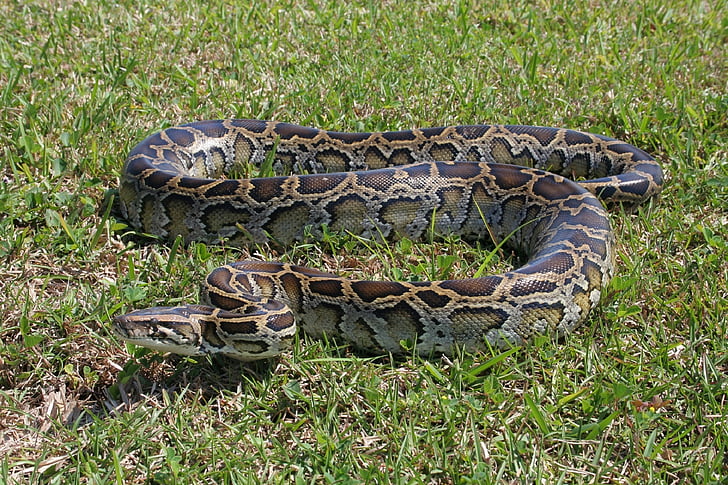
Returning a 16-foot invasive python to the Everglades sounds contrary to Florida’s removal campaign. Researchers did exactly that after fitting the roughly 150-pound Burmese python with a radio transmitter, turning the animal into a moving signal that drones can follow through terrain where people struggle to find snakes.

The release supports a drone-assisted extension of the “scout snake” approach described by the U.S. Geological Survey. Because pythons can gather during breeding season, a tagged animal’s movements may lead biologists to other snakes, breeding areas or nests. The current drone work is still being evaluated, and no results have been reported showing that it has already located nests or reduced Florida’s python population.
A radio signal replaces a visual search
The engineering value begins with a difficult detection problem. Burmese pythons have secretive behavior and camouflage that blends into dense marsh vegetation. USGS says visual searches have detection rates below 5 percent, in part because roads provide access to only a limited portion of python habitat.
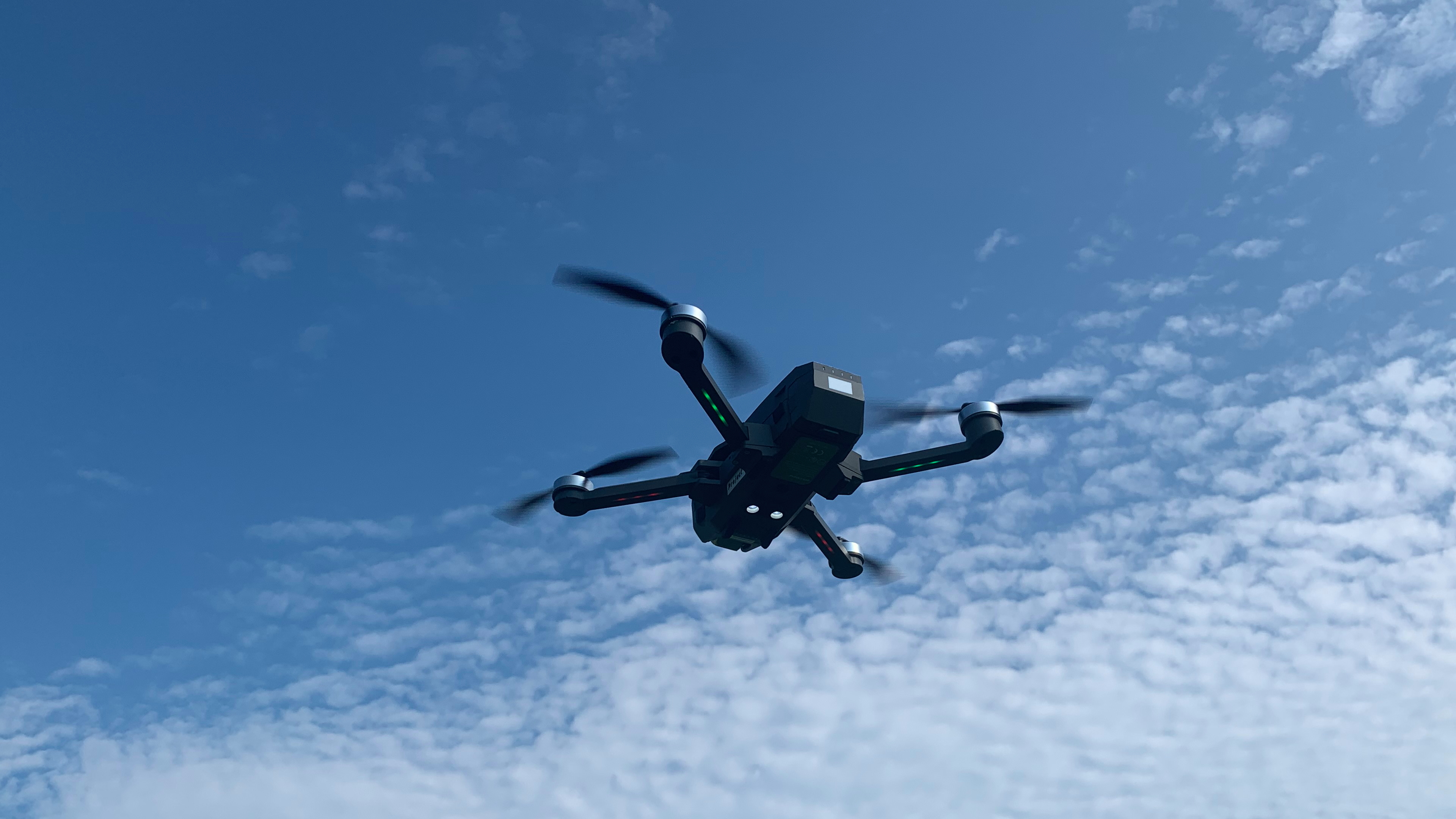
Radio telemetry changes the search target. Instead of trying to distinguish a patterned snake from sawgrass and wet ground, the drone carries equipment intended to detect the transmitter attached to a known animal. The python becomes a mobile telemetry source whose location can be collected from above while it moves naturally through the landscape.
That arrangement does not make the snake easy to capture, nor does it automatically identify every python nearby. Its immediate advantage is search capacity: an unmanned aircraft can examine more wetland without requiring a crew to cross every section on foot. If testing confirms reliable aerial detection, researchers could spend less time locating a tagged animal and more time interpreting where it travels and what it encounters.
The method also illustrates why a drone’s useful payload does not need to be a conventional camera. Visual imagery has limited value when the subject is concealed beneath vegetation or nearly indistinguishable from its surroundings. A radio receiver instead searches for a deliberately introduced electronic signature. For wildlife teams, the meaningful performance measures will include how consistently the aircraft detects that signal, how much territory it can survey and whether the resulting locations improve field decisions enough to offset operating costs.
Why breeding locations matter
The released python is particularly valuable if its route reveals where other snakes gather. Large female Burmese pythons can lay dozens of eggs, so locating reproductive animals and nests can have more management value than relying only on chance encounters with individual snakes. Researchers hope repeated location data will help map breeding hotspots, support additional tagging and direct removal crews toward areas with concentrated activity.
Scout snakes already provide a basis for that strategy. Individual pythons can be captured, equipped with transmitters and tracked to breeding sites. The new element is using drones to collect the radio signal more efficiently over wetland that makes sustained ground tracking slow and expensive.
The ecological stakes are substantial. A USGS study covering road surveys conducted from 2003 through 2011 found declines of 99.3 percent in raccoon observations, 98.9 percent for opossums and 87.5 percent for bobcats compared with earlier observations. Those declines coincided geographically and over time with the spread of Burmese pythons in Everglades National Park.
The 16-foot python therefore remains both an invasive predator and a research asset. Releasing it buys researchers a stream of movement data at the cost of leaving one large snake in the ecosystem for now. Whether that trade produces a measurable removal benefit will depend on what the aerial trials document: reliable signal acquisition, useful maps of python activity and, ultimately, breeding areas that crews can reach. Until those results arrive, the confirmed achievement is narrower but still notable a giant, well-camouflaged snake in the Everglades has been converted into a target that an aircraft can search for electronically.
| More aerospace and engineering stories, right in your MSN feed. Follow AMI on MSN |
By Stephen Wallace — Editor for AMI’s aerospace integration and unmanned mobility coverage, focused on drone manufacturing, VTOL systems, autonomous networks, and air-ground mobility links.