U.S. Delays Patriot PAC-3 Ballistic-Missile Interceptors as PAC-2 Deliveries Continue
Ukraine is reportedly still waiting for U.S.-made Patriot PAC-3 interceptors intended primarily for defense against ballistic threats, even as deliveries of the different PAC-2 variant continue. Radio Free Europe/Radio Liberty reported the delay on October 30, citing an anonymous informed NATO source who said officials had no confirmed date for resolving it.

The unresolved schedule leaves European allies waiting for missiles that Ukrainian President Volodymyr Zelensky said they had already fully funded. He said part of the transfers under the Prioritized Ukraine Requirements List, or PURL, was awaiting final approval from Defense Secretary Pete Hegseth. The United States reportedly transferred just 24 Patriot interceptors to Ukraine during the preceding 90 days, although the available information does not specify the complete variant mix.
PAC-2 deliveries cannot directly replace PAC-3 supply
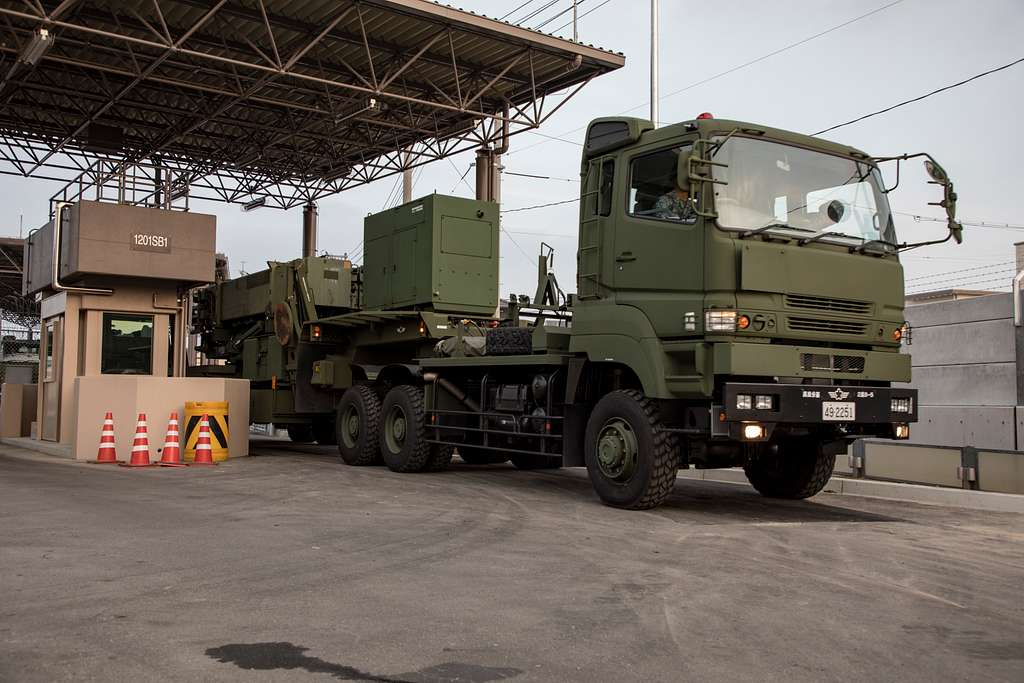
Patriot is a broader air-defense system rather than a single interchangeable missile. Its interceptors share the same overall defense network, but their designs and primary target roles differ. The delayed PAC-3 missiles are described as primarily intended to intercept ballistic targets, while the PAC-2 interceptors still moving through PURL are used primarily against aircraft and cruise missiles.
That division makes the continuing PAC-2 flow useful but not equivalent. Delivering more of one variant can support the Patriot network’s wider workload, yet it does not reproduce the delayed variant’s principal ballistic-defense role. The practical constraint is therefore not merely the total number of missiles shipped; it is whether the supply contains the interceptor type required for each mission category.
This is also an allocation problem spanning several affected groups. Ukraine is seeking replenishment, European allies have reportedly supplied the money, and the United States must preserve interceptors for its own facilities and commitments. Secretary of State Marco Rubio attributed the delay to balancing partner requirements against U.S. protection needs and said there was no deliberate directive to harm Ukraine.
Production expansion will not immediately refill inventories
A July 2026 estimate cited from the Center for Strategic and International Studies put the U.S. PAC-3 inventory below 830 missiles, down from more than 2,300. Public inventory figures remain estimates because the underlying stocks are classified, and no methodology for that particular figure accompanied the delay report. Even so, the estimate aligns with the broader industrial response: U.S. procurement officials and manufacturers are pursuing substantially higher output.
Lockheed Martin and Boeing are expanding production of the PAC-3 Missile Segment Enhancement, an advanced PAC-3 version. Under a seven-year agreement announced in October, Boeing is to increase production of the missile’s seeker the guidance component that detects and tracks a target for Lockheed Martin. The production plan reported by Reuters calls for PAC-3 interceptor capacity to rise from about 600 to 2,000 annually.
That target demonstrates the scale of intended expansion, but capacity is not the same as missiles available for immediate transfer. New facilities, workers, components and supplier output must come together before higher production rates become sustained deliveries. Industry officials have also said a Patriot missile can take more than a year to build and cost an estimated $3 million to $4 million. Those lead times limit how quickly a factory expansion can relieve a current allocation dispute.
The seeker contract illustrates another constraint: interceptor output depends on specialized subsystems, not only final assembly space. Tripling production of a critical guidance component can support a higher finished-missile rate, but funding and capacity must also reach the rest of the supply chain. Reuters reported that industry executives were awaiting congressional appropriations needed to support investment at the planned scale.
The result is a three-part bottleneck involving inventory, approval and manufacturing time. Existing missiles must be divided among U.S. and partner requirements; transfers can remain pending even when allies have paid; and future production cannot immediately replace weapons drawn from current stocks. PAC-2 shipments keep part of Ukraine’s Patriot supply moving, but the PAC-3 schedule will remain a separate readiness issue until Washington approves additional transfers or expanded production delivers enough missiles to ease the competition. For now, no resolution date has been confirmed.
| More aerospace and engineering stories, right in your MSN feed. Follow AMI on MSN |
By David Whitaker — Associate editor for AMI’s aerospace and drone systems desk, translating flight systems, aircraft programs, spaceflight, and UAV developments into accessible technical stories.