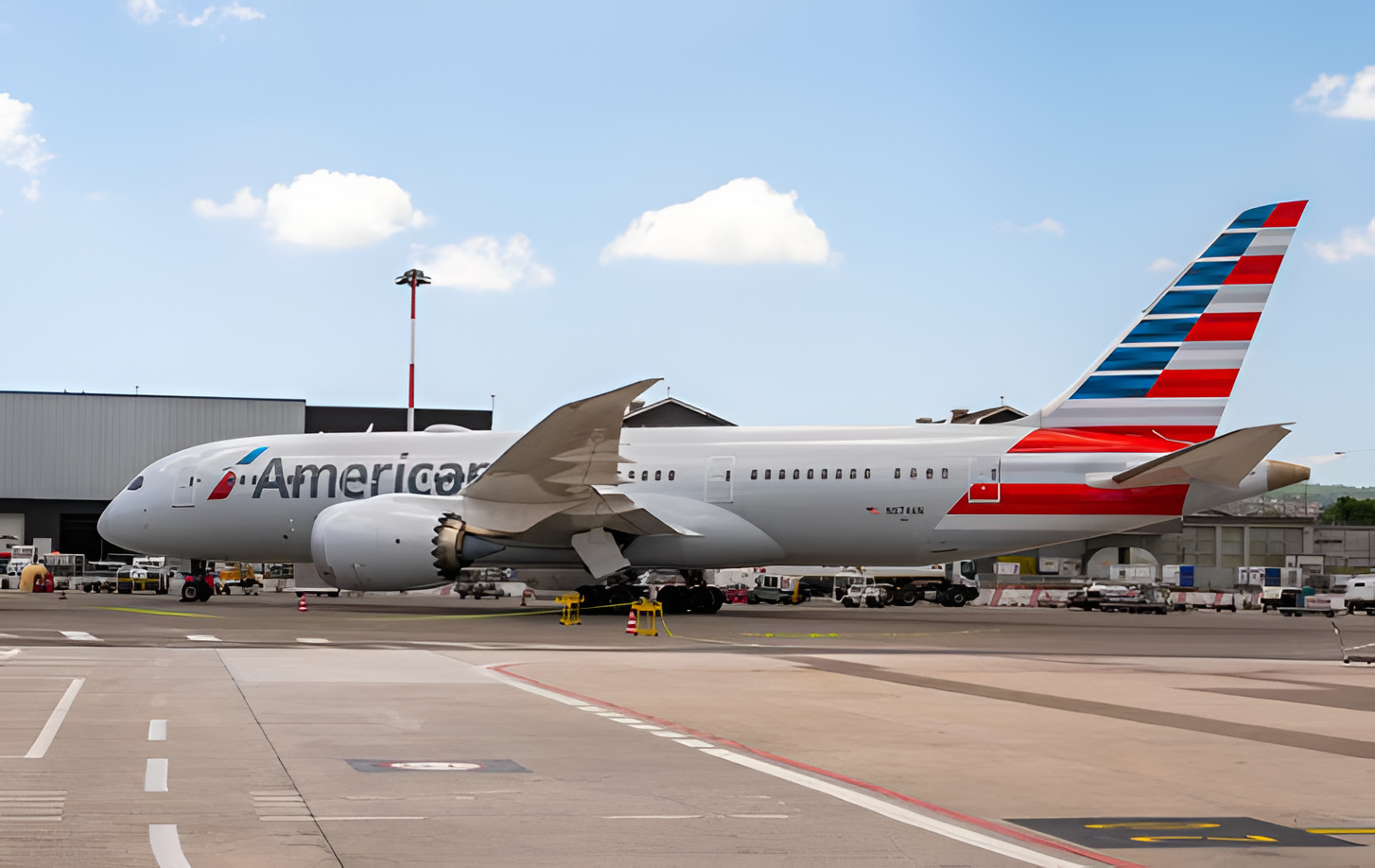
FAA Orders Fuel-Tank Inspections on 60 Boeing 787s After Unverified Checks
A required production check could not be substantiated for fuel-tank sealant installed on an estimated 60 U.S.-registered Boeing 787 Dreamliners. The Federal Aviation Administration’s new airworthiness directive therefore requires operators to inspect the material and verify its adhesion, addressing defects that could become an ignition source during a lightning strike.
The directive, published November 2 and effective December 7, 2026, covers specified 787-8, 787-9 and 787-10 aircraft. It applies to a defined batch with production-inspection histories the FAA considered insufficiently substantiated, not the entire Dreamliner fleet. No lightning-related ignition event prompted the action; the regulatory trigger was the absence of adequate evidence that required visual and adhesion inspections had been completed.
Why sealant condition matters inside a fuel tank
Sealant in this part of the aircraft is more than a barrier against fluid leakage. Its installation forms part of a controlled fuel-system configuration intended to preserve protection against ignition hazards. The FAA’s broader transport-aircraft standard requires fuel-system designs to make catastrophic fuel-vapor ignition from lightning extremely improbable, accounting for tank flammability, lightning exposure and failures within the system.
That safety objective depends on physical details remaining as designed. Sealant must cover the intended area, transition correctly to the adjacent surface and remain bonded to its substrate. A visual inspection can identify defects or depressions in the installed material, while an adhesion test addresses a different question: whether the sealant is actually attached with sufficient integrity to the underlying surface.
This distinction explains why a paperwork gap can produce mandatory work on an aircraft already in service. Records alone do not provide the safety function, but they establish that a required production control was performed. When that verification is unavailable, the regulator cannot rely on the intended inspection barrier and instead requires operators to recreate it through direct examination.
What technicians must inspect
The required work focuses on identified sealant installations within the center-wing fuel-tank structure. Technicians must examine specified locations in the left, right and center wing side-of-body areas, including areas between the side-of-body rib and rib 2.
The detailed inspections look for sealant defects and surface depressions. Separate adhesion testing checks bonding at the sealant-to-substrate interface. If the work identifies a condition requiring correction, operators must complete an approved repair. The directive permits applicable repairs that comply with specified Boeing 787 airworthiness limitations; other cases can require an approved repair method or instructions from Boeing.
The narrow applicability is operationally important. The directive does not impose a new inspection on every 787, and the FAA has confirmed that Boeing is performing the relevant checks during production on aircraft outside the affected group. The action is therefore a targeted closure of an earlier quality-verification gap rather than a newly announced fleetwide sealant problem.
The stated cost stops before repairs begin
The FAA estimates that the detailed inspections and adhesion tests will require 34 labor hours per aircraft. Using an assumed labor rate of $85 per hour, that produces a baseline cost of $2,890 for each Dreamliner, with no parts cost assigned to the inspection itself. Across 60 U.S.-registered aircraft, the estimated total is $173,400.
Those figures cover only the mandated examination and testing. The FAA had no definitive data for estimating repairs that may follow, so the published amount is not a ceiling on operators’ total expense. Actual impact will depend on what each inspection finds, the repair method required and whether warranty coverage absorbs some or all of the cost.
For operators, the practical task is to place the inspection within the directive’s compliance schedule, secure access to the relevant tank structure and resolve any findings through approved procedures. For passengers, the action is preventive: a missing layer of production assurance is being replaced by direct checks on aircraft in service. By December 7, the requirement moves from a production-record concern to a legally enforceable maintenance obligation for the affected Dreamliners.
| More aerospace and engineering stories, right in your MSN feed. Follow AMI on MSN |
By Thomas Caldwell — AMI’s senior editor for mechanical and mobility engineering, covering vehicle electronics, systems integration, electrification, chassis systems, propulsion, and safety policy.