Toyota Tundra’s $25,000 Repair Estimate Disputed as Key Tests Remain Pending
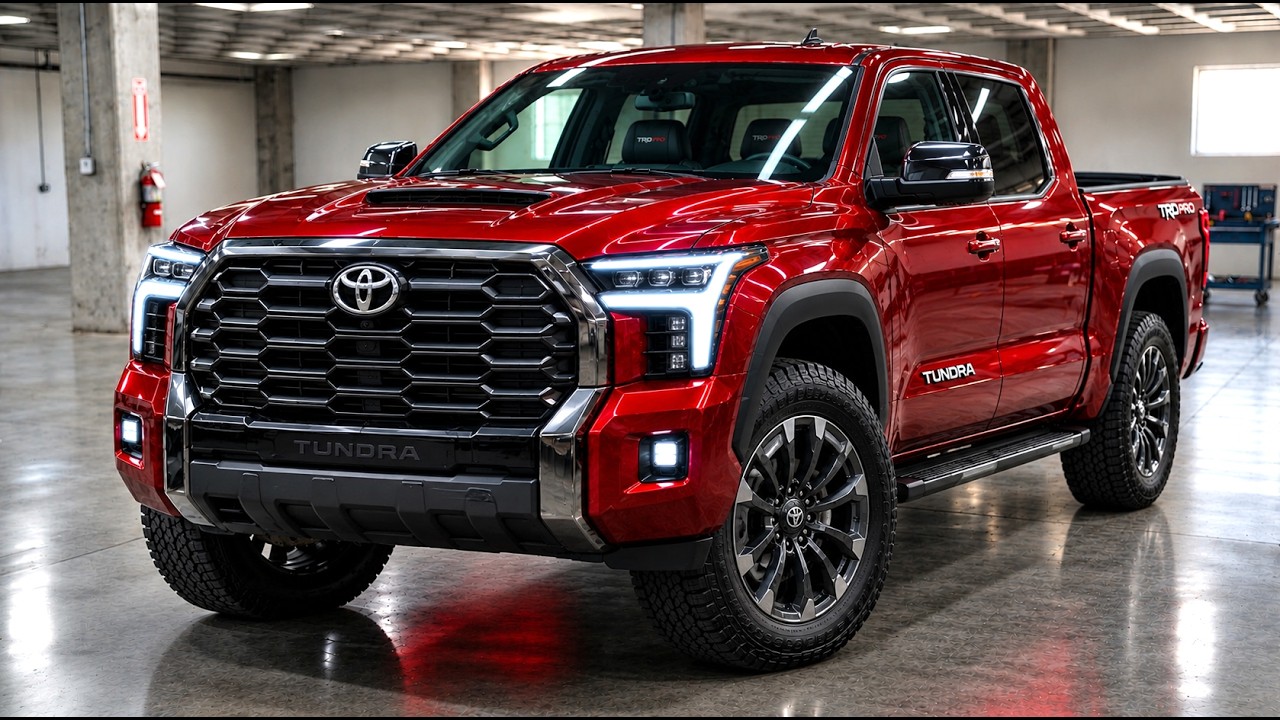
A 2016 Toyota Tundra owner deferred roughly $25,000 in proposed repairs after a second shop questioned whether the pickup needed a replacement engine and complete front differential. The second inspection eliminated one scraping noise with a minor adjustment, but it did not finish the cooling-system and axle measurements needed to resolve the two shops’ larger disagreement.
The case began with a pre-road-trip inspection that produced recommendations for extensive engine and front-end work. About $5,700 of the estimate covered the complete front differential assembly, rather than a single axle component. Faced with an unusually expensive and complicated repair decision, the owner took the truck to Dave’s Auto Center in Centerville, Utah. That approach is consistent with Federal Trade Commission consumer guidance, which recommends considering a second opinion when repairs are costly, complicated or open to question.
One corrected noise did not settle two separate diagnoses
During the second inspection, Dave traced a scraping sound heard in four-wheel-drive operation to a metal dust shield that was rubbing. He bent the shield away and said the sound disappeared when the truck was run again.
That result established a straightforward source for the scraping heard during that inspection. It did not resolve the first shop’s stated reasons for recommending an engine and differential, however. The first shop said its cooling-system pressure test lost pressure, which it associated with an internal head-gasket leak. It separately reported movement where both front axles entered the differential housing and cited bearing concerns as the basis for recommending a complete differential assembly.
Those are three distinct diagnostic threads: the scraping shield, the cooling system and axle movement. Correcting the shield addressed the first thread only. Treating the vanished scrape as proof that the engine and differential recommendations were both unnecessary would combine symptoms and findings that the shops described separately.
The engine question still needed a confirming check
The truck’s observable condition during the second inspection did not present obvious signs of severe engine trouble. The owner reported no overheating or repeated coolant additions. Dave found that the coolant reservoir was not low, the engine sounded smooth and its oil level was correct. He also characterized oil near a valve cover as a slight seep rather than a drip.
Those observations informed Dave’s view that the truck did not need an engine, but he had not completed his own cooling-system pressure test at the time of the documented call. He planned to check for engine gases in the coolant, and no result from that planned test was provided.
The unresolved point is therefore narrower than whether the engine sounded healthy in the shop. The first diagnosis rested on reported pressure loss and a suspected internal head-gasket leak; the planned follow-up was intended to look for combustion gases in the coolant. Without that result, the available information records a disagreement rather than a completed technical resolution.
Axle movement needed to be measured, not merely observed
The differential question remained open for a similar reason. The first shop reported movement at both points where the axles entered the front differential housing and attributed its replacement recommendation to bearing concerns. Dave disputed the need for the assembly but planned to use a dial indicator to document how much the axles moved.
That measurement matters because it converts a qualitative observation there is movement into a recorded amount that can be evaluated. No dial-indicator results were available, leaving the actual movement unquantified in the documented inspection. The repaired dust shield also could not answer this question because the first shop said bearing movement, rather than the scraping noise, drove its differential recommendation.
Dave instead recommended coolant and other fluid service, spark plugs, checks of the air and cabin filters, and documented measurement of the axle movement. The owner said he bought the truck at about 35,000 miles, had not changed its coolant and hoped to keep it for years. Toyota provides the model’s 2016 Tundra warranty and maintenance materials for comparing proposed routine service with the manufacturer’s schedule.
The second opinion gave the owner a concrete result: one scraping noise was removed without replacing the differential. The far more consequential decision whether to reject or authorize major engine and driveline work still depended on two unfinished items: the coolant-gas check and a documented measurement of axle movement.
| More aerospace and engineering stories, right in your MSN feed. Follow AMI on MSN |
By Thomas Caldwell — AMI’s senior editor for mechanical and mobility engineering, covering vehicle electronics, systems integration, electrification, chassis systems, propulsion, and safety policy.