SpaceX Reportedly Seeks 80,000 Cell Sites for Nationwide Starlink Mobile Network
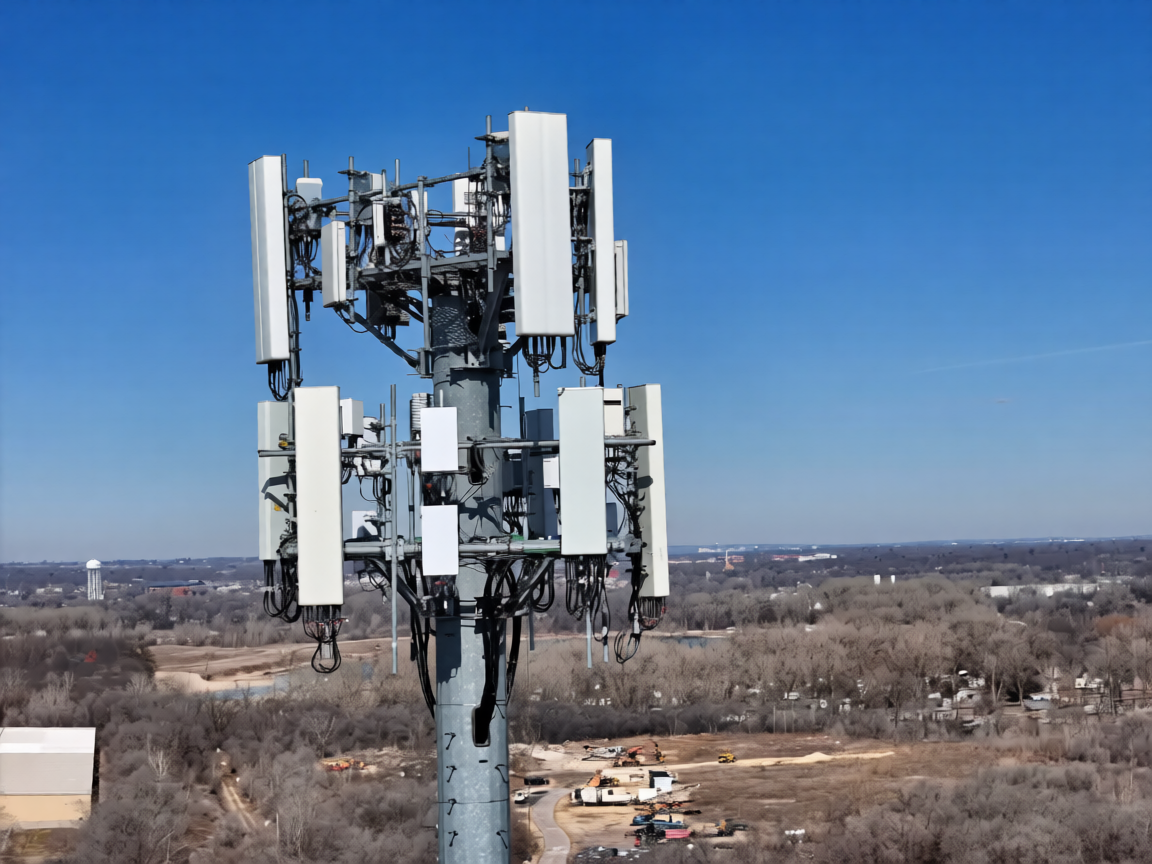
At least 80,000 U.S. cell sites: that is the reported leasing target behind SpaceX’s effort to turn Starlink Mobile into a nationwide wireless network. SpaceX is reportedly negotiating with major infrastructure owners for access to the sites, a footprint amounting to roughly half of the country’s operational cell towers by industry estimates cited by Reuters.

The scale makes clear that satellites alone are not expected to carry the entire job. SpaceX’s proposed network would combine upgraded direct-to-cell satellites with terrestrial radio sites and small indoor transmitters called femtocells. Together, those layers could extend service into areas where any one of them would be constrained, but negotiations for the tower sites have not been reported as completed. No consumer price, service date or deployment schedule has been disclosed.
Why 80,000 sites matter
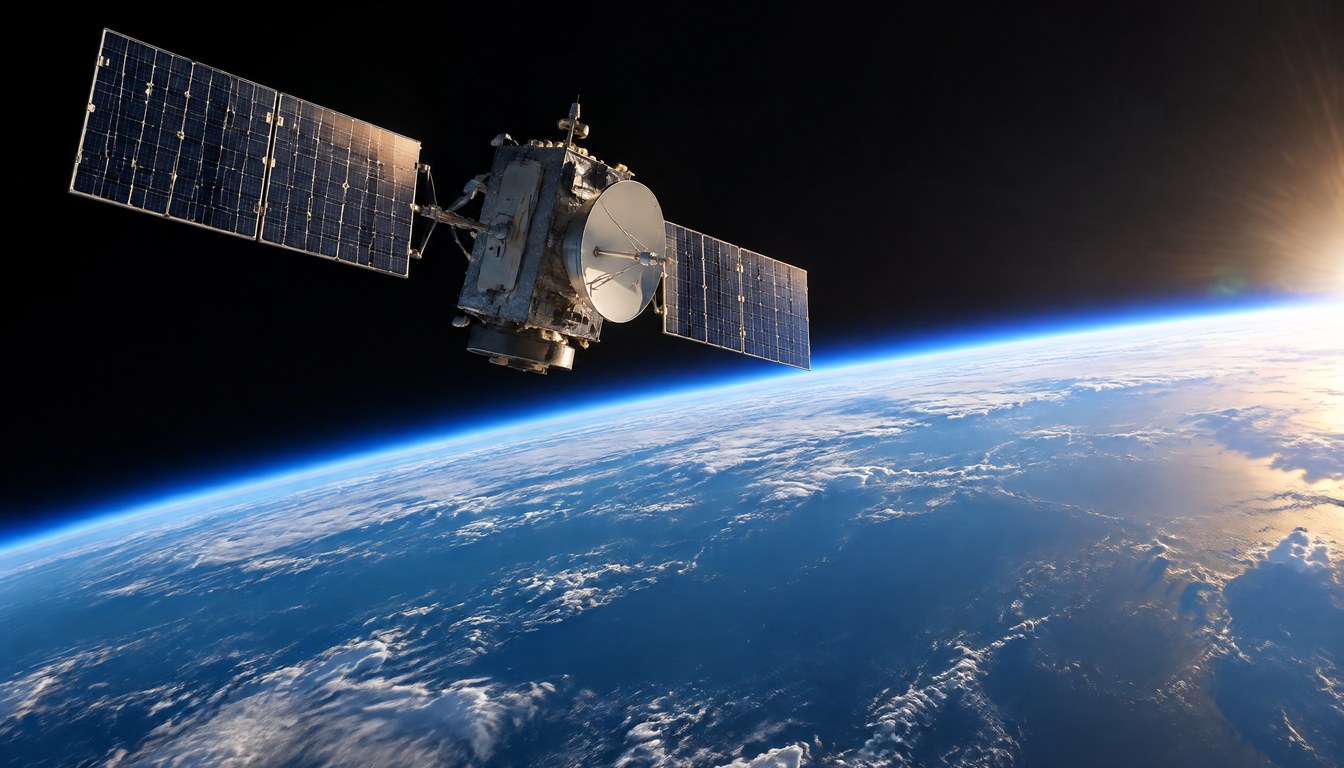
A direct-to-cell satellite can reach ordinary mobile devices over large geographic areas, making it particularly useful where conventional towers are unavailable. A terrestrial network solves a different problem: concentrating radio capacity where many customers are using data at once and improving service around buildings and dense development.
Those requirements explain why the reported site target belongs in the same broad range as the macro-tower footprints supporting T-Mobile, AT&T and Verizon. The comparison is not exact, because cell sites are not interchangeable. Antenna height, available power, backhaul connections, permitted equipment, local geography and usable spectrum all affect what a location can contribute. Established carriers also supplement large towers with smaller street-level antennas in busy urban areas.
Indoor coverage creates another boundary. Building materials attenuate radio signals, and even a low-band terrestrial signal does not reach every room equally. SpaceX reportedly intends to address some of those local gaps with subscriber-installed femtocells compact radios that would provide nearby indoor coverage. That approach can improve service at a specific home, but it adds equipment, installation and network-management requirements beyond the satellite constellation.
A terrestrial network carries terrestrial costs
TD Cowen analysts estimated that a nationwide ground network could cost SpaceX more than $80 billion, according to Reuters. That estimate reflects the much broader burden behind a tower count: leases, radios, antennas, installation labor, backhaul, power, permitting, testing and continuing maintenance must all be aligned before a site can carry commercial traffic.
Existing infrastructure could shorten parts of that process. During Crown Castle’s October 2026 earnings call, CEO Chris Hillabrant said the tower operator was speaking with satellite and telecommunications companies, while declining to discuss individual customers. Crown Castle operates about 40,000 sites and said more than 12,000 of its locations have equipment previously installed for DISH. That does not make those locations ready-made Starlink Mobile sites, but previously permitted tower space can reduce some of the work involved in starting from bare land.
Network design will determine how much of that advantage SpaceX can use. Leasing positions on existing towers and rooftops could accelerate deployment, while building large numbers of new microcells would require finding locations and bringing power and backhaul to each one. The final mix would also depend on how SpaceX allocates its low-band spectrum, which is valuable for broad coverage and reaching into buildings.
The satellite side is advancing separately
The Federal Communications Commission approved SpaceX to deploy 15,000 satellites for next-generation direct-to-device services in October 2026, while deferring decisions on some requested spectrum bands. As Satellite Today reported, the authorization covers mobile satellite and supplemental coverage services, subject to conditions tied partly to the EchoStar spectrum transaction.
That approval advances the orbital component, but it does not substitute for terrestrial leases, local permits or commercial network integration. A consumer mobile service also needs provisioning, billing, customer support and reliable handoffs between different coverage layers. These operational systems are less visible than satellites and towers, yet they are essential to making a hybrid network behave like one service.
The reported 80,000-site target therefore represents ambition rather than a finished network. If SpaceX secures the leases and completes the associated deployment, Starlink Mobile could add another nationwide option and improve coverage where terrestrial and satellite service complement each other. For now, the defining figure is paired with an equally important constraint: tens of thousands of locations remain under negotiation, with a potential ground-network cost above $80 billion.
| More aerospace and engineering stories, right in your MSN feed. Follow AMI on MSN |
By David Whitaker — Associate editor for AMI’s aerospace and drone systems desk, translating flight systems, aircraft programs, spaceflight, and UAV developments into accessible technical stories.