SpaceX Starship Reaches Orbit, Deploys 26 Satellites Despite Three Engine Failures
SpaceX’s Starship has crossed an important threshold, but not cleanly. Test 14 reportedly reached low Earth orbit for the vehicle’s first time and deployed 26 operational Starlink satellites, even as three engine failures forced controllers to alter the flight and shorten a planned 10-hour mission to roughly three hours.
The result moves Starship beyond flights devoted entirely to vehicle testing. Delivering operational spacecraft is the basic job of a launch system, and the 26-satellite deployment provided a concrete payload milestone. Yet the propulsion trouble, early splashdown and lack of stage recovery leave major gaps between this flight and the dependable, reusable spacecraft needed for NASA’s lunar plans.
Orbit came after an engine problem
One engine on the Super Heavy booster failed during the test. The booster still accelerated and released Starship, then splashed down in the Gulf. Its landing was harder than engineers wanted, and the stage was not recovered.
Starship encountered a more consequential propulsion issue after separation when two of its engines failed. Ground controllers initially decided to abort orbital insertion, then extended the burn of the remaining engines and placed the spacecraft into orbit. That response preserved the flight’s defining achievement and allowed the satellite deployment to proceed.
It also reduced the mission’s margin. SpaceX engineers ended the flight after approximately three hours rather than continuing for the planned duration of about 10 hours. Starship splashed down early and was not recovered.
The flight therefore demonstrated that the remaining propulsion system could compensate enough to complete orbital insertion in this instance. It did not establish the engine reliability or endurance needed for repeated commercial service, much less a mission involving astronauts. A lunar lander must operate through a longer and more complicated chain of events, with fewer acceptable opportunities to abandon objectives.
Deploying satellites changes the character of the test
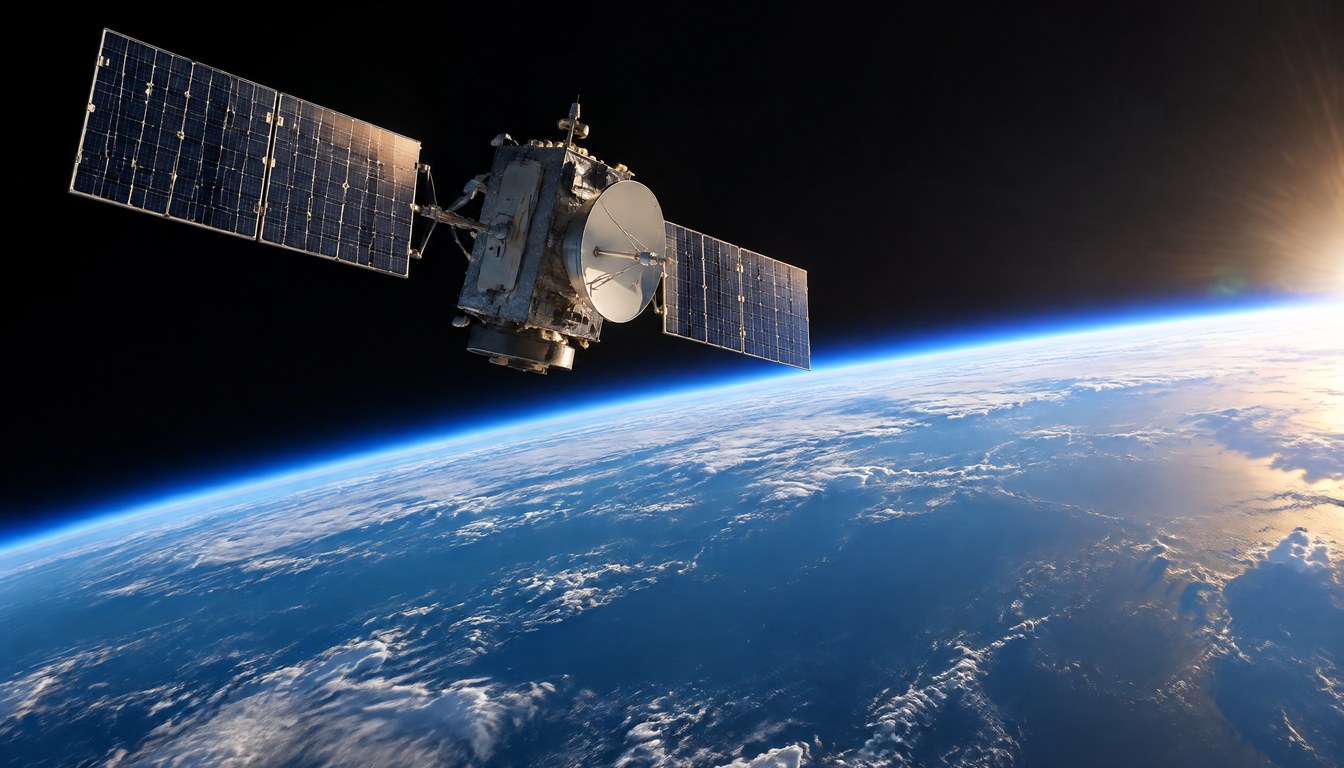
The 26 Starlink spacecraft were described as operational satellites rather than inert test payloads. That distinction makes Test 14 more than another incremental ascent demonstration: Starship performed useful payload work while SpaceX continued developing the vehicle itself.
Still, payload deployment and full reuse are separate engineering milestones. Neither Super Heavy nor Starship returned for recovery, so the flight did not test the inspection, refurbishment and turnaround work that will determine whether the system can operate repeatedly. Recovery also places different demands on the two stages. The booster separates before reaching orbital speed, while Starship must withstand the harsher thermal and structural environment of reentry from orbit.
The cost of Test 14 is unknown. A cited estimate of $90 million for a commercial Starship launch is not a confirmed cost for this mission, while an outside projection that the satellites could generate $2.6 billion to $3.9 billion over five years is similarly not a measured flight result. The technically meaningful outcome is simpler: Starship reached orbit and released working payloads, but it did so with degraded propulsion and without recovering either stage.
Artemis requires a much longer chain of successes
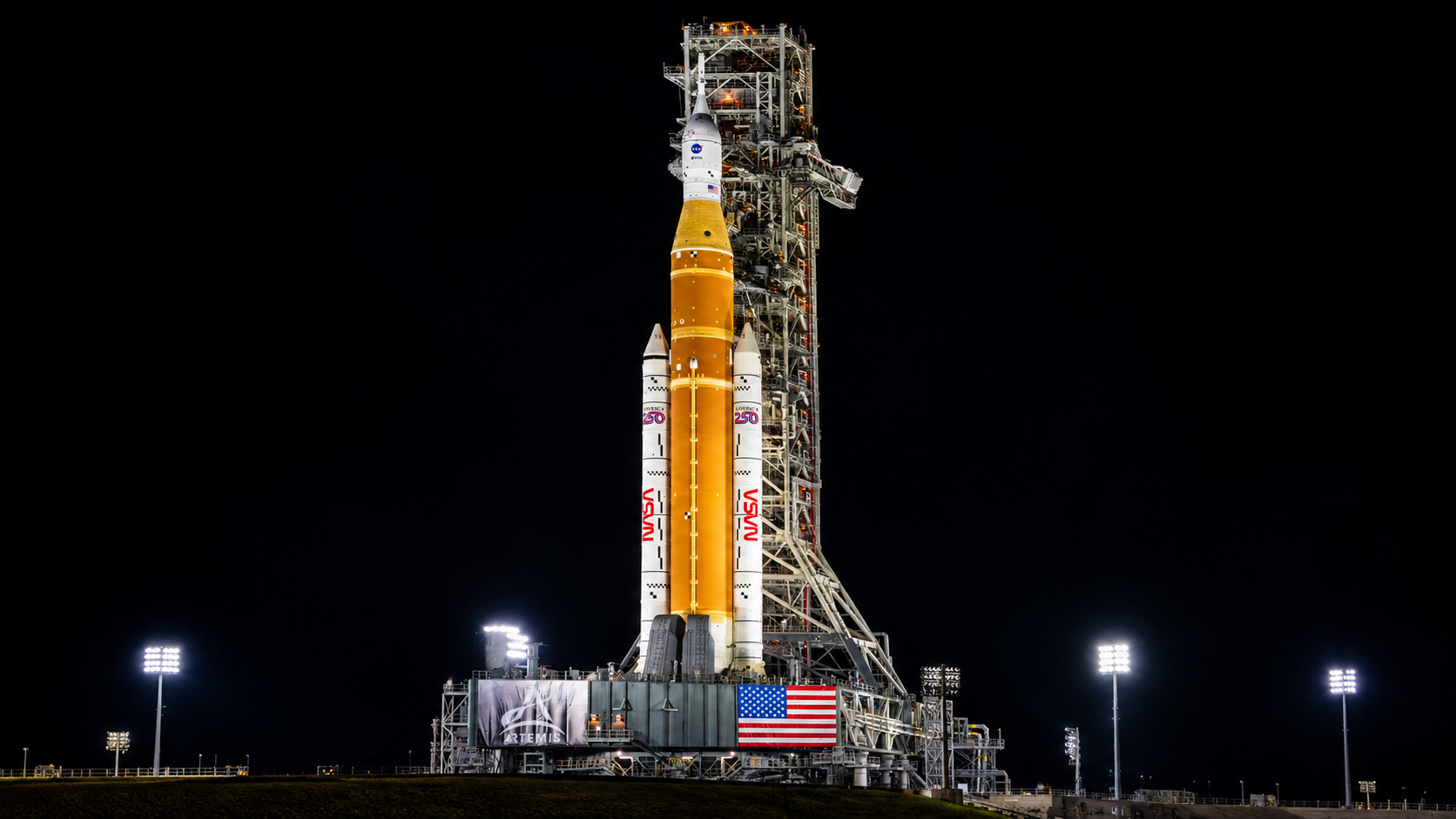
NASA’s latest Artemis lander architecture requires considerably more than one Starship reaching orbit. SpaceX plans to launch multiple vehicles so tanker Starships can transfer cryogenic propellant to a depot in low Earth orbit. That depot would then fuel the Starship lunar lander for its trip toward the moon.
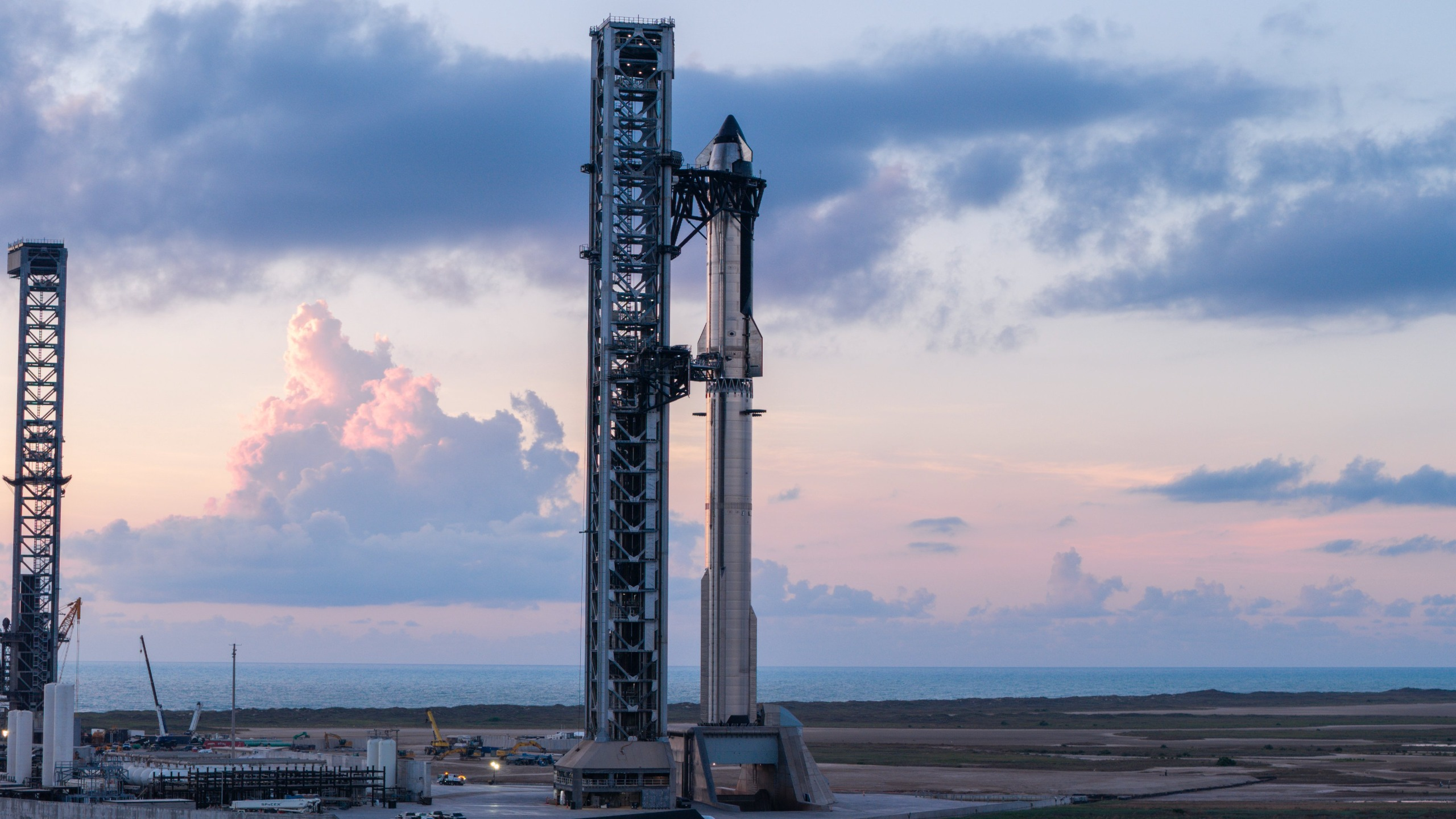
Before that architecture can carry astronauts, SpaceX still must demonstrate reliable engines, multi-day orbital endurance, maneuvering, rendezvous and docking, launch-tower recovery and in-space refueling. Starship must also complete an uncrewed demonstration of lunar landing and liftoff before a crewed surface mission. NASA says it will certify the lander system before astronauts fly on it.
Orbital duration is particularly relevant after Test 14 ended at around three hours. Future Starships will need to remain healthy long enough for coordinated launches, propellant transfers and docking operations. Those tasks depend on propulsion, thermal control, power, communications and flight software continuing to perform across a campaign rather than a single ascent.
Cadence is another constraint. Test 14 reportedly followed Test 13 by about two months, while the Artemis architecture calls for multiple Starship launches supporting one lunar mission. Reaching a schedule measured in weeks would require dependable vehicles, available pads and ground crews capable of processing flights without lengthy recovery from each anomaly.
Test 14 delivered Starship’s clearest operational progress yet: orbit and 26 deployed satellites. Its next phase must show that those achievements can be repeated with all engines available, missions lasting days instead of hours, and vehicles that return for another flight.
| More aerospace and engineering stories, right in your MSN feed. Follow AMI on MSN |
By David Whitaker — Associate editor for AMI’s aerospace and drone systems desk, translating flight systems, aircraft programs, spaceflight, and UAV developments into accessible technical stories.