Tesla Plans Extra Cybertruck Shift as Backlog Outruns 2027 Production Window
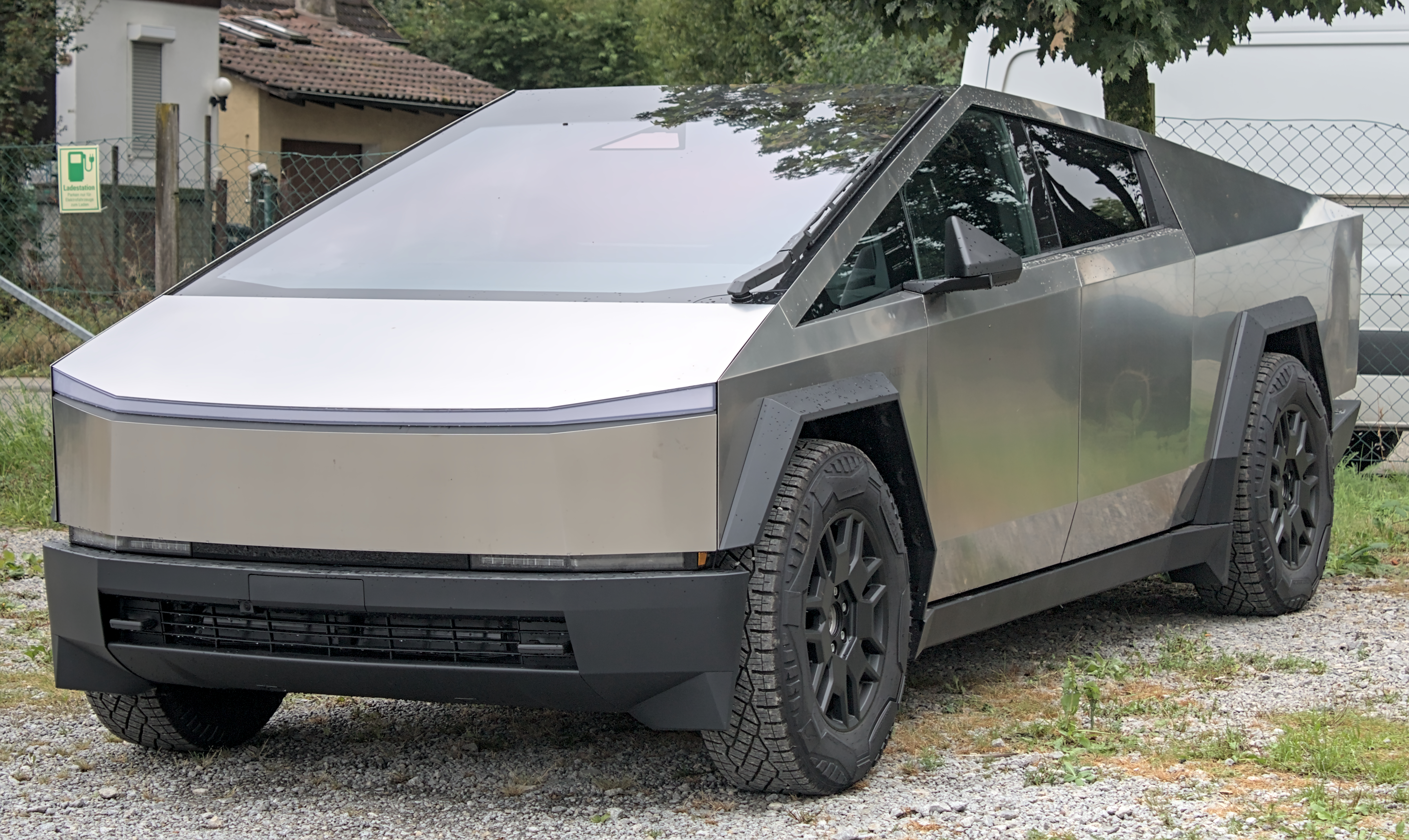
Tesla is putting the Cybertruck on a tighter production clock. The company plans to add another shift at its Giga Texas factory because CEO Elon Musk says its order backlog exceeds what the line can build before it is dismantled for Cybercab expansion around June or July 2027, according to Reuters.

“We will add an extra shift to try to get all orders done in time,” Musk said on November 7. His statement followed an announcement one day earlier that Tesla would wind down Cybertruck production in 2027 and reassign resources and factory space to the two-seat Cybercab. The added shift is planned as a capacity response, but Tesla has not reported that it has stopped accepting new Cybertruck orders.
A fixed shutdown changes the capacity calculation
The unusual constraint is not the factory’s theoretical yearly output. It is the number of production days remaining before Tesla removes the line. The company’s latest shareholder deck lists more than 125,000 vehicles of annual installed Cybertruck capacity at Giga Texas, but that figure cannot be treated as the number of trucks still available to build.
Installed annual capacity describes the nominal output rate of an equipped production system under assumed operating conditions. Remaining output depends on the shorter period between now and the shutdown, as well as actual line speed, shift patterns, staffing, component availability, planned maintenance and production losses. Tesla has not supplied the backlog total, current production rate or expected output from the additional shift, so those figures cannot be combined into a reliable delivery forecast.
The distinction is especially important because independent sales estimates appear modest beside the installed-capacity figure. Cox Automotive estimates that Tesla sold 11,586 Cybertrucks in the United States during the first nine months of 2026. A backlog large enough to exceed the line’s remaining output could reflect a late concentration of orders, production running substantially below nominal capacity or a limited number of operating months before conversion. The available figures do not identify which factor dominates.
An extra shift buys time without extending the deadline
Adding a shift can increase the hours available for production without installing a second line. It does not remove every constraint, however. Vehicle output still depends on whether upstream suppliers, battery and body processes, inspection stations, rework areas and outbound logistics can support the longer operating schedule. If one operation is already the bottleneck, adding labor elsewhere will not produce an equal increase in completed trucks.
The schedule also has to preserve maintenance and quality controls while equipment operates for more hours each day. Shift work creates its own human-factors demands: the National Institute for Occupational Safety and Health notes that nonstandard schedules and long hours can increase fatigue and error risks. Tesla has not disclosed the timing or staffing structure of the planned shift, but any expansion would require production management to balance incremental output against worker coverage, equipment service and inspection consistency.
The mid-2027 conversion date adds another systems-integration problem. Dismantling a vehicle line and preparing its space and equipment for a different product require a controlled transition. Continuing Cybertruck production closer to that date could increase deliveries, but it would also leave less schedule margin for the Cybercab expansion. Musk’s wording an effort to complete all orders “in time” indicates that the factory conversion remains the governing deadline.
Pricing changes add to the buyer uncertainty
Tesla recently raised U.S. Cybertruck prices by as much as 9% and temporarily removed the entry-level Dual-Motor All-Wheel Drive version from its online configurator. That version had briefly been listed at $59,990. In Canada, ordering remained open without a contemporaneous price change: the Premium All-Wheel Drive model started at C$139,990, while the Cyberbeast started at C$167,990.
Those changes affect which configurations customers can select, but they do not establish that Tesla has closed the order book or decided how it will allocate the remaining production window. For current and prospective customers, the next consequential disclosures would be the backlog size, the extra shift’s start date and whether Tesla restricts new orders. Until then, the firm commitment is the factory deadline: Cybertruck output is being accelerated ahead of a line removal planned for June or July 2027.
| More aerospace and engineering stories, right in your MSN feed. Follow AMI on MSN |
By Thomas Caldwell — AMI’s senior editor for mechanical and mobility engineering, covering vehicle electronics, systems integration, electrification, chassis systems, propulsion, and safety policy.