Tesla Targets 2026 Cybercab Deliveries Without Steering Wheel as Federal Scrutiny Continues
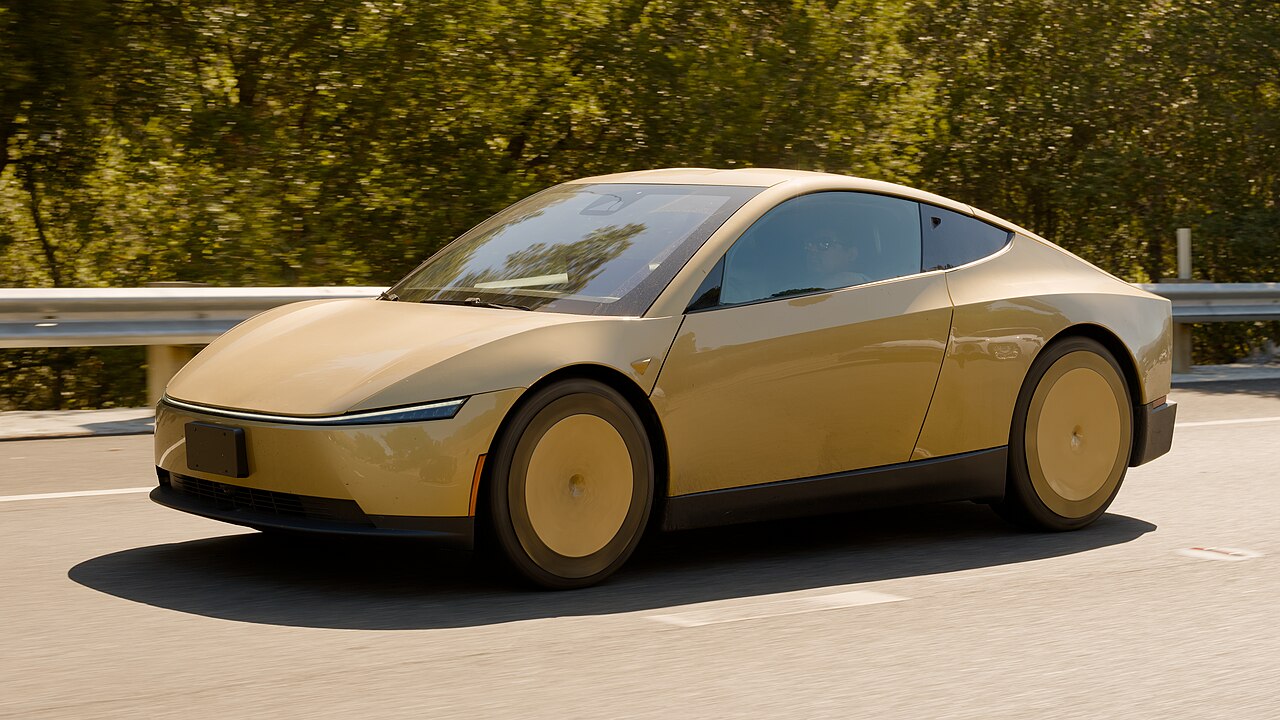
Tesla is targeting initial U.S. customer deliveries of its two-seat Cybercab before the end of 2026, even as the vehicle’s federal compliance status, retail price and ordering process remain unresolved. The electric vehicle has no steering wheel or pedals, making its planned transition from limited passenger service to customer ownership a significant test of how vehicles designed exclusively for automated driving enter the consumer market.

The Cybercab began carrying passengers through Tesla’s Robotaxi service in limited parts of Austin, Texas, on September 3. Tesla vehicle-engineering vice president Lars Moravy subsequently said during the company’s October 21 earnings call that customer deliveries were planned in small numbers by year-end. Tesla is producing the vehicle at Gigafactory Texas, but it has not opened a public ordering configurator or confirmed who will be eligible for the first deliveries.
That leaves a substantial gap between a production and service milestone and an ordinary retail launch. Tesla’s U.S. FAQ accepts inquiries from individuals and commercial-fleet operators, but an inquiry channel is not the same as a finalized ordering system. Elon Musk’s previously announced target of less than $30,000 also remains a target rather than a confirmed purchase price.
Passenger controls replace the driver’s workstation
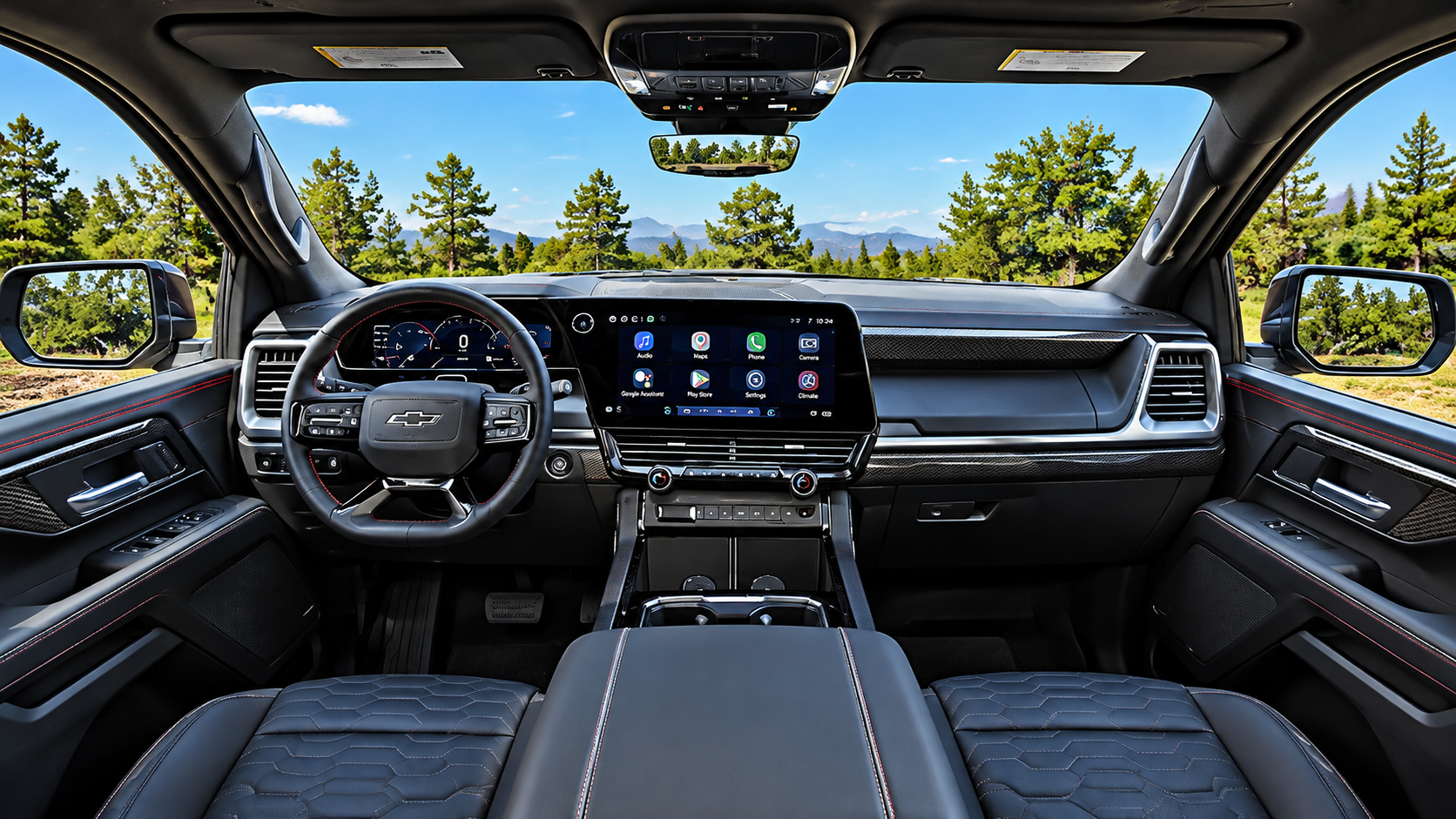
Inside the Cybercab, the usual division between driver controls and passenger amenities disappears. Occupants use the central touchscreen or Tesla’s Robotaxi app to open and close the powered doors, move the seats, adjust cabin temperature and audio, and begin a journey. Both seats slide forward or backward together, while their backrests recline independently.
The powered dihedral doors swing outward and upward. That architecture can provide a broad opening, but it also makes door operation part of the vehicle’s integrated passenger-control system rather than a conventional manual action. Each door therefore includes a mechanical emergency release as a physical fallback.
Passengers also retain a cabin Stop button between the dome lights. Pressing it requests a safe pull-over rather than directly applying conventional driver-operated brakes. Microphones and speakers provide a communication path to Tesla support, while an interior camera supports occupancy detection and assistance. These features show how the human-factors problem changes when no occupant has a steering wheel: emergency intervention becomes a combination of an automated stopping request, remote support and mechanical escape provisions.
The vehicle’s cabin and cargo package reflects its narrow two-passenger mission. The U.S.-specification Cybercab is 69 inches wide and 55.4 inches tall, with 38.3 inches of headroom and 43.4 inches of legroom. Its rear luggage compartment provides 20.2 cubic feet of space and can accept up to 220 pounds of cargo. There is no front trunk.
Federal standards cover control-free vehicles, but scrutiny remains
Vehicles without manual driving controls are not outside the federal safety framework. The National Highway Traffic Safety Administration has updated occupant-protection standards to account for automated vehicles lacking traditional controls. Those rules clarify how existing protections apply when familiar components such as a steering wheel are absent, while maintaining occupant-protection requirements for passenger vehicles.
Manufacturers generally self-certify that vehicles comply with applicable federal motor-vehicle safety standards. NHTSA is examining the basis for Tesla’s self-certification of the Cybercab. No new recall or final noncompliance determination is identified, but the inquiry leaves an important regulatory issue open as Tesla approaches its delivery target.
The distinction between operating a company-run ride service and transferring vehicles to customers is consequential. A controlled service can limit geography, fleet size and operating conditions while keeping maintenance and support within one organization. Customer or fleet deliveries introduce broader questions involving ownership responsibilities, service access, emergency procedures and the conditions under which the vehicle can operate without conventional controls.
Efficiency estimates are taking shape before the sales terms
Tesla’s U.S. Environmental Protection Agency filing lists one permanent-magnet motor producing 219 horsepower and a curb weight of 3,113 pounds. Using submitted test data, Car and Driver estimated a battery capacity of roughly 50 kilowatt-hours and approximately 280 miles of combined EPA range. Those battery and range figures are estimates, not confirmed final specifications supplied by Tesla.
The resulting picture is unusual: the Cybercab is already carrying some passengers, production is underway and limited deliveries are targeted within weeks, yet prospective owners still lack a confirmed price, a public configurator and a settled answer from federal regulators on the company’s compliance basis. Meeting the year-end goal will require Tesla to move beyond demonstrating a control-free vehicle and define the commercial and regulatory terms under which customers can actually take delivery.
| More aerospace and engineering stories, right in your MSN feed. Follow AMI on MSN |
By Thomas Caldwell — AMI’s senior editor for mechanical and mobility engineering, covering vehicle electronics, systems integration, electrification, chassis systems, propulsion, and safety policy.