Air Force Seeks $4.25 Billion After 16 of 24 Fleets Miss Parts Standard
The U.S. Air Force is asking Congress for $4.25 billion in fiscal 2027 to rebuild aircraft-parts inventories, but the service expects newly purchased spares to take 18 to 36 months to reach supply shelves. Only eight of 24 measured aircraft fleets currently meet its parts-availability standard; 16 miss it, including five by more than 10 percent.

The request therefore buys the start of a recovery, not a quick restoration of aircraft availability. It covers less than one-third of the approximately $14 billion spare-parts deficit identified by Lt. Gen. Linda Hurry, commander of Air Force Materiel Command. The Air Force estimates that fully repairing the supply chain will require three to five years of sustained investment.
A parts shortage becomes a fleet constraint
The Air Force metric at issue measures how often aircraft cannot perform missions because required parts are unavailable. It is narrower than the overall mission-capable rate, which also reflects maintenance and other factors, but it isolates a basic logistics failure: an aircraft and its maintainers can be ready while a missing component keeps the machine on the ground.
The effects reach beyond aircraft parked on flight lines. Parts shortages prevented 36 planned engine inductions for KC-135 tankers and B-52 bombers during fiscal 2024 and 2025. When components are unavailable for scheduled depot work, the problem moves downstream: planned maintenance slips, repair pipelines lose throughput and aircraft wait longer for engines or assemblies to return.
Cannibalization can provide a temporary workaround by moving a serviceable component from one aircraft to another. It does not create another part, however, and it adds removal, installation, inspection and documentation work. The Air Force says increased reliance on the practice has raised maintainer workloads and reduced mission capability.
This labor penalty has been documented for decades. A 2001 Government Accountability Office review found that cannibalization increased maintenance costs, added workload and sometimes left expensive aircraft unavailable for long periods. That historical review does not measure the present deficit, but it shows why transferring parts among aircraft is a readiness expedient rather than an inventory strategy.
Money cannot restart a supplier overnight
The long delivery estimate reflects more than the time required to place orders. The fiscal 2027 budget attributes the strain to aging aircraft, suppliers that have left the market, solicitations receiving no bids, dormant production lines, insufficient technical documentation and longer manufacturing lead times.
Those conditions limit what a one-year appropriation can accomplish. Restarting production may require a supplier to recover tooling, qualify a process, secure lower-tier components and recreate manufacturing knowledge for items purchased infrequently. For older fleets, the order volume may also be too small or uncertain to attract bids without higher prices or longer commitments.
The Consolidated Sustainment Activity Group supply division manages about 70,000 Air Force-unique reparable and consumable items with an annual budget of roughly $8.6 billion. The proposed infusion would raise the division’s revenue from $6.55 billion in fiscal 2026 to $10.76 billion in fiscal 2027. Direct appropriations would let the Air Force fill inventory gaps without immediately passing the entire cost to operating units through higher parts prices, which could otherwise squeeze their budgets.
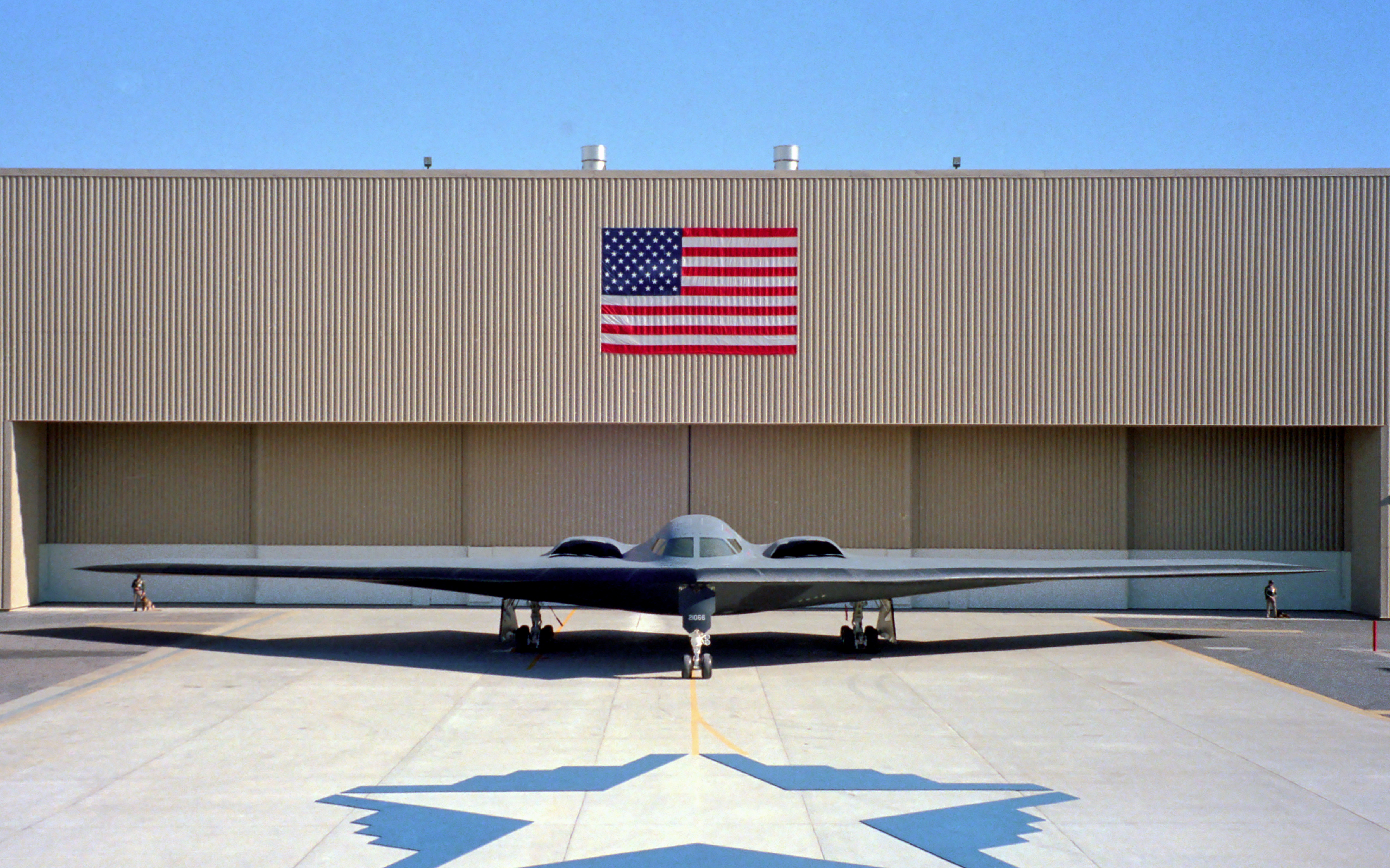
The largest listed aircraft allocation is $895.7 million for B-2 bomber spares, followed by $424.7 million for the B-52 and $59.9 million for the B-1B. Fighter-engine support includes $558.4 million for the Pratt & Whitney F100 and $289 million for the General Electric F110. Trainers receive $431.3 million. These figures illustrate where major inventory gaps sit, but they do not represent every Air Force fleet.
The appropriation is limited to aircraft categorized in the budget as platforms outside contract maintenance arrangements. Consequently, the exhibit provides no allocation for the F-22 or F-35. The request should be read as a targeted repair to one part of the sustainment system rather than a complete fleet-wide spares solution.
Congress would fund inventory before units see results
The public-cost tradeoff is unusually clear. Approving $4.25 billion would place orders and strengthen inventories over time, while flying units and depots could continue experiencing shortages during the 18-to-36-month production and delivery window. Rejecting or reducing the infusion would leave more of the documented deficit unaddressed and could prolong reliance on cannibalization.
There is evidence that focused management can reduce parts problems. Under Air Force Global Strike Command’s North Star Readiness Campaign, mission-impacting parts issues affecting the B-52 and B-1 fell from more than 450 to about 160. That result suggests money works best when paired with sustained attention to individual bottlenecks, repair flow and supplier performance.
The fiscal 2027 request now faces congressional approval as part of the proposed Department of the Air Force budget. Even if funded in full, the service’s own schedule places the first meaningful inventory gains years closer than months and leaves roughly $9.75 billion of the identified spare-parts deficit outside this proposed infusion.
| More aerospace and engineering stories, right in your MSN feed. Follow AMI on MSN |
By David Whitaker — Associate editor for AMI’s aerospace and drone systems desk, translating flight systems, aircraft programs, spaceflight, and UAV developments into accessible technical stories.