Singapore Airlines Unveils Premium Seats After 11-Year, S$2 Billion Project
More than S$2 billion and 11 years of development sit behind Singapore Airlines’ newly unveiled long-haul cabins. The investment covers its complete cabin program not only individual first and business-class seats and turns familiar passenger requests for privacy, comfort and traveling together into two distinct premium seating systems.
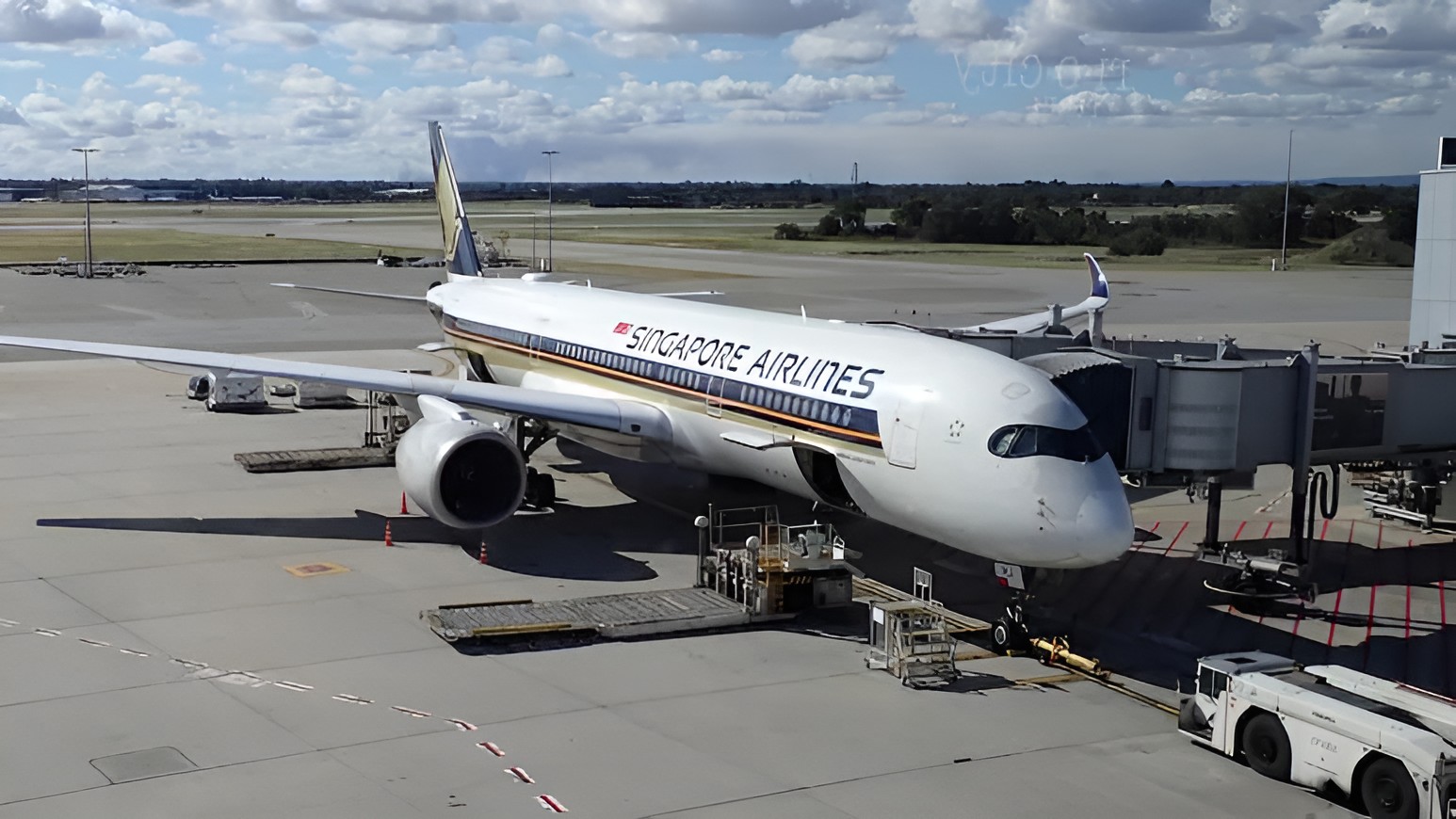
The airline’s next-generation cabin products are scheduled to enter service progressively from the second half of 2027. They will appear on 41 retrofitted Airbus A350-900 long-haul and ultra-long-range aircraft and on new Boeing 777-9s. The 777-9 will receive all four redesigned cabin classes, while the A350 work will add the new business-class seat and introduce first class to the ultra-long-range variant.
Research began long before the hardware was revealed
The project started in 2015 with research involving more than 5,000 frequent travelers, customers, employees and industry specialists. Singapore Airlines used surveys, focus groups, individual interviews and concept or prototype testing rather than relying on a single passenger questionnaire.
Researchers also examined how people moved within their allocated space while working, dining, relaxing and sleeping. That distinction is important in seat engineering because a specification based only on dimensions cannot fully represent how passengers reach storage, move around a table or convert a seat into a bed.
We identified what matters most to them, we observed how they move within their personal space from working to dining and sleeping, said Ong Wah Li, Singapore Airlines’ vice president of product experience.
The work identified privacy and comfort as leading priorities, but premium travelers also wanted greater togetherness. Those requirements can pull a cabin design in opposite directions: higher walls, doors and dividers create separation, while companion dining and shared sleeping arrangements require openings, convertible surfaces and coordinated space between adjacent seats.
Different teams handled first class and business class
Singapore Airlines divided the premium-cabin work among separate design and manufacturing partnerships. PriestmanGoode designed first class, with Collins Aerospace manufacturing the seats. Designworks developed business class, while Recaro Aircraft Seating serves as its seat manufacturer.
That division reflects the different operating requirements of the two cabins. First class uses curved sliding privacy doors, companion dining and center seats that can become a two-person sofa or double bed. Business class also adds sliding doors, but combines them with adjustable center dividers and selected seat pairs that can form companion beds.
The double-bed arrangements provide a direct answer to the privacy-versus-togetherness tension. Adjacent passengers can use a shared configuration, while the surrounding enclosure and movable dividers preserve separation when they travel alone or want individual space.
These features still have to coexist with the fixed geometry of an aircraft cabin: aisles, floor tracks, monuments, fuselage curvature and emergency paths. Adding a door is particularly more involved than installing another interior panel. Aviation requirements for suite-style seating generally address door retention during taxi, takeoff and landing, crew visibility and a passenger’s ability to exit if a primary door mechanism becomes unavailable. The exact compliance approach depends on the aircraft and installation.
That systems work helps explain why a premium seat program can take far longer than its visible furnishings suggest. The passenger-facing product is an assembly of moving structures, controls, storage, lighting, entertainment equipment and convertible sleeping surfaces that must function inside a tightly constrained, certifiable cabin.
The rollout remains the next test
The S$2 billion-plus figure includes new first, business, premium-economy and economy products for the long-haul fleet, so it cannot be assigned solely to the premium seats. Singapore Airlines has not disclosed a cost breakdown by cabin, seat or supplier.
The airline also has not announced the first routes to receive the interiors. Its stated milestone is the progressive introduction beginning in the second half of 2027, when the 11-year research and integration effort is due to move from prototypes and unveiled products into regular passenger service.
| More aerospace and engineering stories, right in your MSN feed. Follow AMI on MSN |
By Thomas Caldwell — AMI’s senior editor for mechanical and mobility engineering, covering vehicle electronics, systems integration, electrification, chassis systems, propulsion, and safety policy.