FAA Investigates Air France Turn Into American Airlines Flight Path at LAX
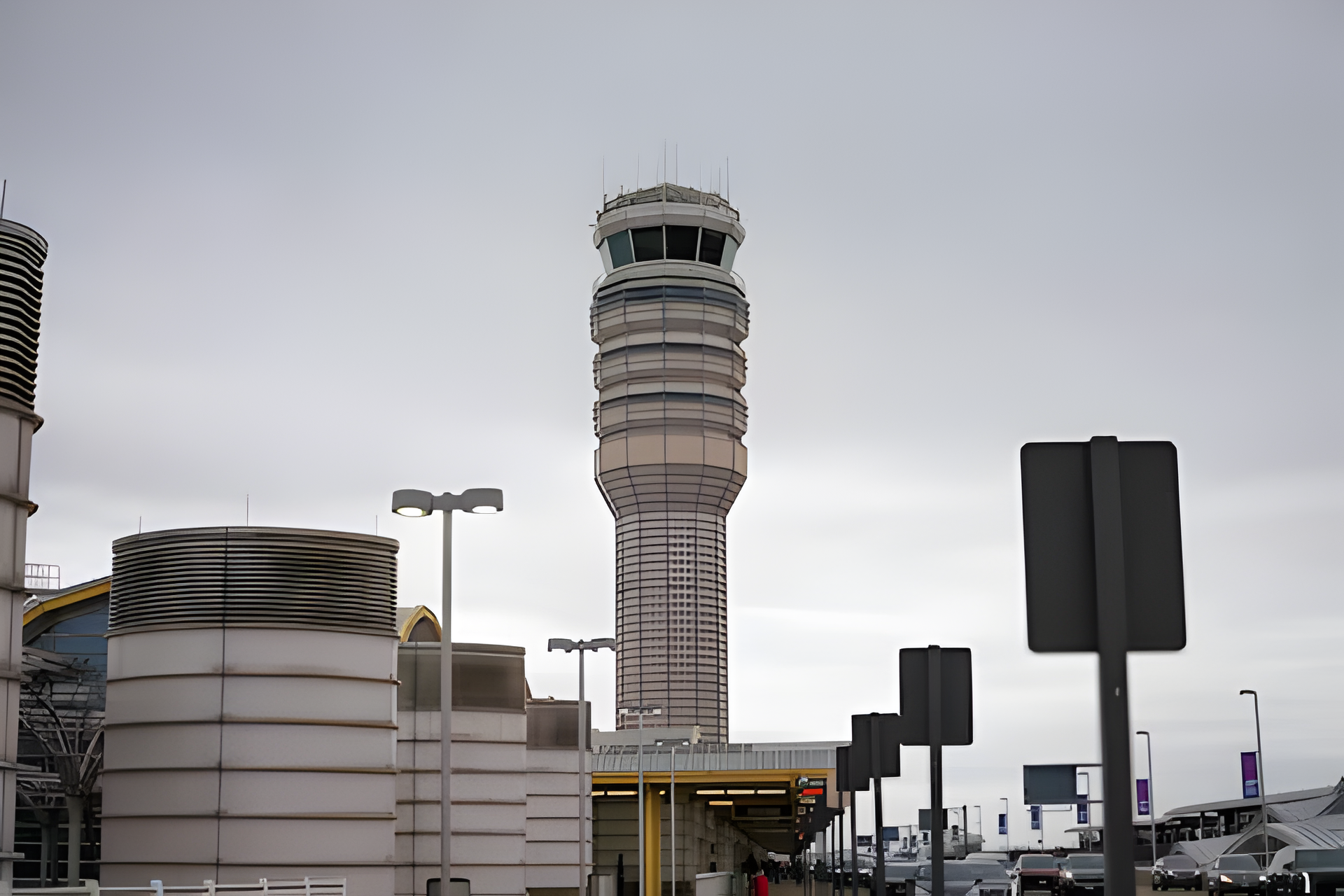
The Federal Aviation Administration is investigating why Air France Flight 28 made what the agency called an “unauthorized turn” after departing Los Angeles International Airport, placing it in the path of American Airlines Flight 1660 after that aircraft departed from a parallel runway.

The conflict occurred at about 12:20 a.m. Saturday. Controllers instructed the Air France flight to turn right and return toward its original departure path. They also directed the American flight, which was bound for Dallas, to reduce altitude. Those instructions changed both the lateral and vertical relationship between the aircraft while controllers worked to keep the departures separated.
The investigation begins with the assigned route
The central question is not merely why the aircraft turned, but what route the Air France crew had been cleared and prepared to fly. In recorded radio exchanges, controllers repeatedly asked the pilots about the deviation and the departure instructions issued by the tower. One controller asked: “I need an answer. What departure were you instructed by tower to fly?”
The questioning continued for nearly 20 minutes without an apparent clear answer. Air traffic control labeled the occurrence a “possible pilot deviation,” a preliminary description that leaves the cause and responsibility unresolved. Neither Air France nor American Airlines had responded to requests for comment at the time of the initial report.
Investigators will need to establish the exact clearance, confirm how it was acknowledged and determine how the aircraft’s flown path differed from that clearance. The available information does not identify whether the deviation originated with route interpretation, cockpit preparation, communication or another factor. It also does not specify the aircraft’s assigned departure procedure or the precise point at which the turn began.
Why a turn can disrupt parallel departures
Parallel runways allow an airport to handle more traffic, but their safe simultaneous use depends on predictable flight paths and prescribed separation. Runway spacing alone does not keep departing aircraft apart after takeoff. Their headings, timing and climb profiles must also maintain the intended relationship as they enter the surrounding airspace.
The FAA’s air traffic control standards for simultaneous and successive departures set different requirements according to runway spacing, route design and how quickly departure courses diverge. For some simultaneous parallel departures, the courses must diverge immediately by a specified angle. Other arrangements use release-distance staggering or navigation procedures with defined lateral paths.
Those standards explain the operational significance of the Air France turn without establishing why it happened. A departure plan can be built around two aircraft following separate, predictable routes. If one aircraft turns toward the other route instead, the planned geometry changes and controllers may need to create separation through new headings, altitude restrictions or both.
That is the pattern reflected in the LAX instructions. Turning Air France Flight 28 back toward its original path addressed the horizontal conflict. Directing American Flight 1660 to reduce altitude added a vertical component to the response. Using two dimensions can give controllers more than one way to alter how aircraft paths develop, particularly when both aircraft are already airborne and continuing to move quickly.
Communication is part of the safety system
Departure procedures divide responsibilities among flight crews, tower controllers and departure controllers. Crews must load, brief and fly the cleared route, while controllers monitor traffic and issue amendments when operating conditions require them. Clear readbacks and prompt responses allow each side to maintain the same understanding of the aircraft’s intended path.
FAA guidance also addresses departures that begin with an assigned heading and those that follow a published navigation route. When simultaneous parallel departures use navigation-based procedures, controllers may advise crews of the initial waypoint associated with the route. The guidance says pilots must immediately notify air traffic control if a different departure procedure has been entered into the aircraft’s flight-management system.
That general framework makes the controller’s repeated request for the assigned departure especially relevant. The answer can help investigators compare four records: what the tower cleared, what the crew acknowledged, what route was prepared in the cockpit and what the aircraft actually flew. A mismatch among those records would narrow the inquiry, but the currently available information does not identify one.
The FAA investigation must now reconstruct that chain while also reviewing how quickly the deviation was detected and how the corrective instructions changed the two trajectories. Until that work is complete, the confirmed sequence remains limited but consequential: an unauthorized turn created conflicting departure paths, and controllers responded by changing both heading and altitude.
| More aerospace and engineering stories, right in your MSN feed. Follow AMI on MSN |
By Thomas Caldwell — AMI’s senior editor for mechanical and mobility engineering, covering vehicle electronics, systems integration, electrification, chassis systems, propulsion, and safety policy.