Used EV Prices Jump 9.8%, Now Exceed Gas Cars by $579
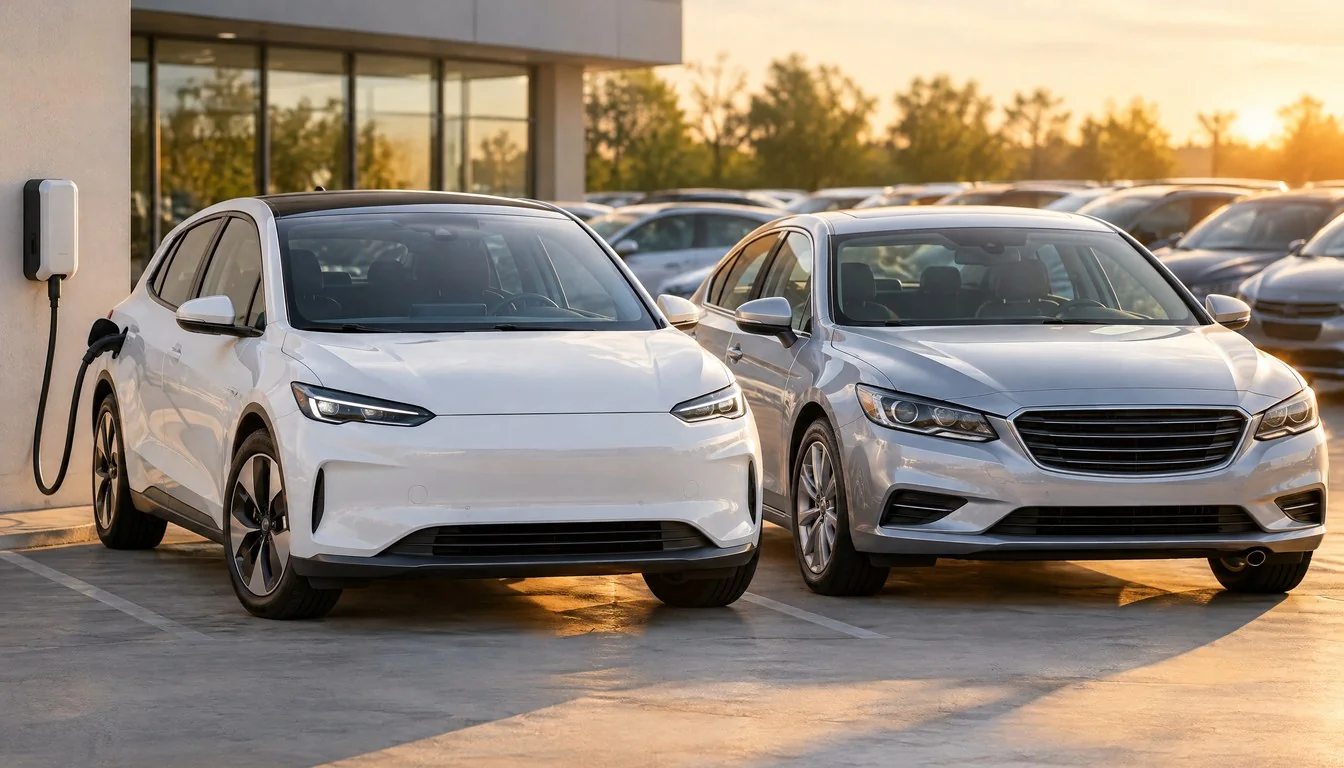
Used electric vehicles have crossed a notable price boundary. Their average asking price reached $32,533 in September 2026, up $2,896 or 9.8% from $29,637 a year earlier. That put the typical used EV $579 above the average gasoline vehicle after it had been $2,227 cheaper in September 2025.

The reversal is more significant because EV listings are also moving faster. Used EVs spent an average of 41.9 days on the market, compared with 54.8 days for gasoline vehicles. A year earlier, those figures were 46.6 and 45.7 days, respectively. EV selling time fell by 4.7 days while the gasoline-vehicle average increased by 9.1 days.
The figures come from an iSeeCars analysis published October 28, covering more than 1.5 million nationwide listings for 1- to 5-year-old vehicles. These are asking prices rather than completed transaction prices, but the combination of higher advertised prices and shorter listing times points to a materially tighter used-EV market than price alone would suggest.
Gas-car prices barely moved
The contrast with conventional vehicles is sharp. Used gasoline models averaged $31,954, an increase of just 0.3% from September 2025. The overall used-vehicle average rose 0.9% to $32,096. Against those nearly flat benchmarks, the 9.8% EV increase represents a clear drivetrain-specific shift rather than broad inflation across every used vehicle.
Hybrids remained the most expensive category, averaging $34,476 after a 4.9% annual increase. That left hybrids $1,943 above EVs and $2,522 above gasoline vehicles. Their average time on the market was 48.6 days, down slightly from 49.2 days a year earlier faster than gasoline vehicles, but seven days slower than EVs.
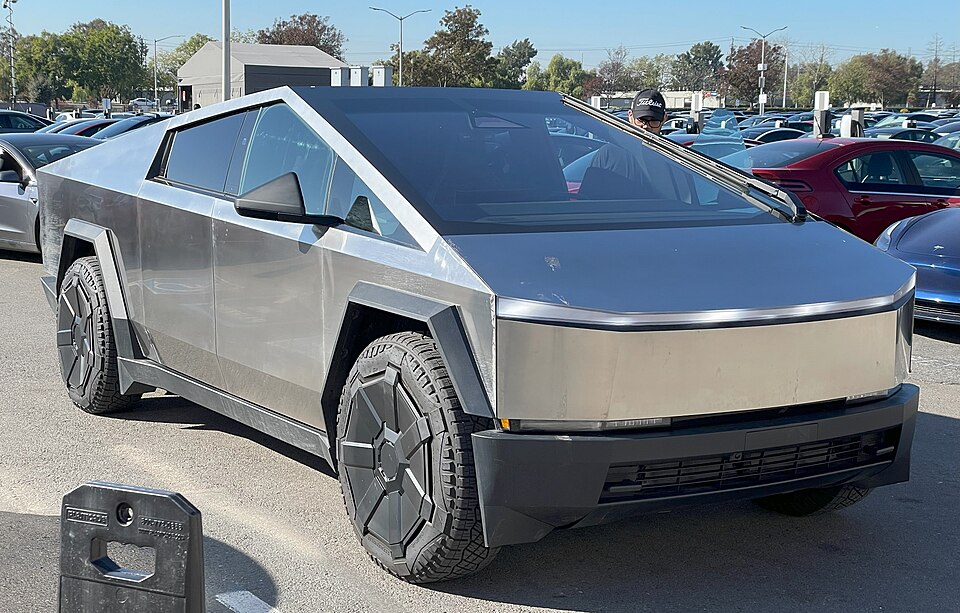
Model mix can influence any category-wide average, and some individual EVs recorded particularly large changes. Three Tesla models were among the study’s five biggest year-over-year price gainers, led by the Model S with a 22.5% increase. The aggregate result therefore does not mean every used EV appreciated by 9.8%, or that an individual owner would receive the published average at trade-in.
Faster sales strengthen the demand signal
iSeeCars attributed the reversal to recovering EV demand after disruption associated with the end of federal clean-vehicle incentives, together with higher fuel prices. Federal credits of up to $7,500 for qualifying new EVs and $4,000 for qualifying used EVs no longer applied to vehicles acquired after September 30, 2025. The analysis did not quantify how much of the price increase came from either the incentive change or fuel costs, so neither factor independently explains the full movement.
The selling-time data provide useful context. Sellers can post ambitious prices without finding buyers, but a category that becomes more expensive while spending fewer days on the market is showing stronger demand relative to available listings. Gasoline vehicles moved in the opposite direction: their prices were almost unchanged, yet they took substantially longer to sell.
That market-level shift does not eliminate the engineering variables that distinguish one used EV from another. Mileage, trim, condition and battery health can materially affect value. Battery condition is especially consequential because the traction battery is both a major cost component and the system that determines usable driving range. Two otherwise similar EVs can therefore justify different prices if their remaining battery capacity or warranty coverage differs.
Purchase price also is not the same as total ownership cost. AAA’s 2026 new-vehicle analysis estimated average annual ownership and operating costs of $11,888 for electric compact SUVs, $11,656 for gasoline models and $11,201 for hybrids. EVs had much lower energy and maintenance expenses than gasoline vehicles in that comparison, but depreciation and financing offset those savings. The AAA work covered new vehicles over five years and 75,000 miles, so it is context rather than a direct comparison with these used listings.
For buyers who had come to expect used EVs to carry a broad discount, the September data mark a concrete change: the category moved from $2,227 below gasoline vehicles to $579 above them in one year, while selling nearly 13 days faster. Hybrids still command the highest average asking price, but used EVs now show the strongest combination of price growth and market speed among the three powertrains.
| More aerospace and engineering stories, right in your MSN feed. Follow AMI on MSN |
By Robert McKinney — Editor-in-Chief for AMI’s automotive and mobility coverage, with a mechanical engineering background and a decade reporting on powertrain systems, EV innovation, and global vehicle manufacturing.