SpaceX Aborts Starship Booster Catch but Recovers Upper Stage
SpaceX launched Starship Flight 15 on Nov. 13 with plans to recover both stages at its launch tower, but the attempt split into two sharply different results. The company abandoned the Super Heavy booster catch shortly after liftoff, preventing the planned two-stage recovery demonstration. One day later, however, the Starship upper stage completed its orbital mission and became the first spacecraft of its kind to be caught by the tower’s mechanical arms.
The upper-stage result, confirmed in an Associated Press account published by PBS News, was a major recovery milestone. It did not restore the mission’s original double-catch objective: SpaceX recovered only one part of the world’s largest rocket at the pad, leaving simultaneous recovery of the complete vehicle for another flight.
Why the booster catch was abandoned
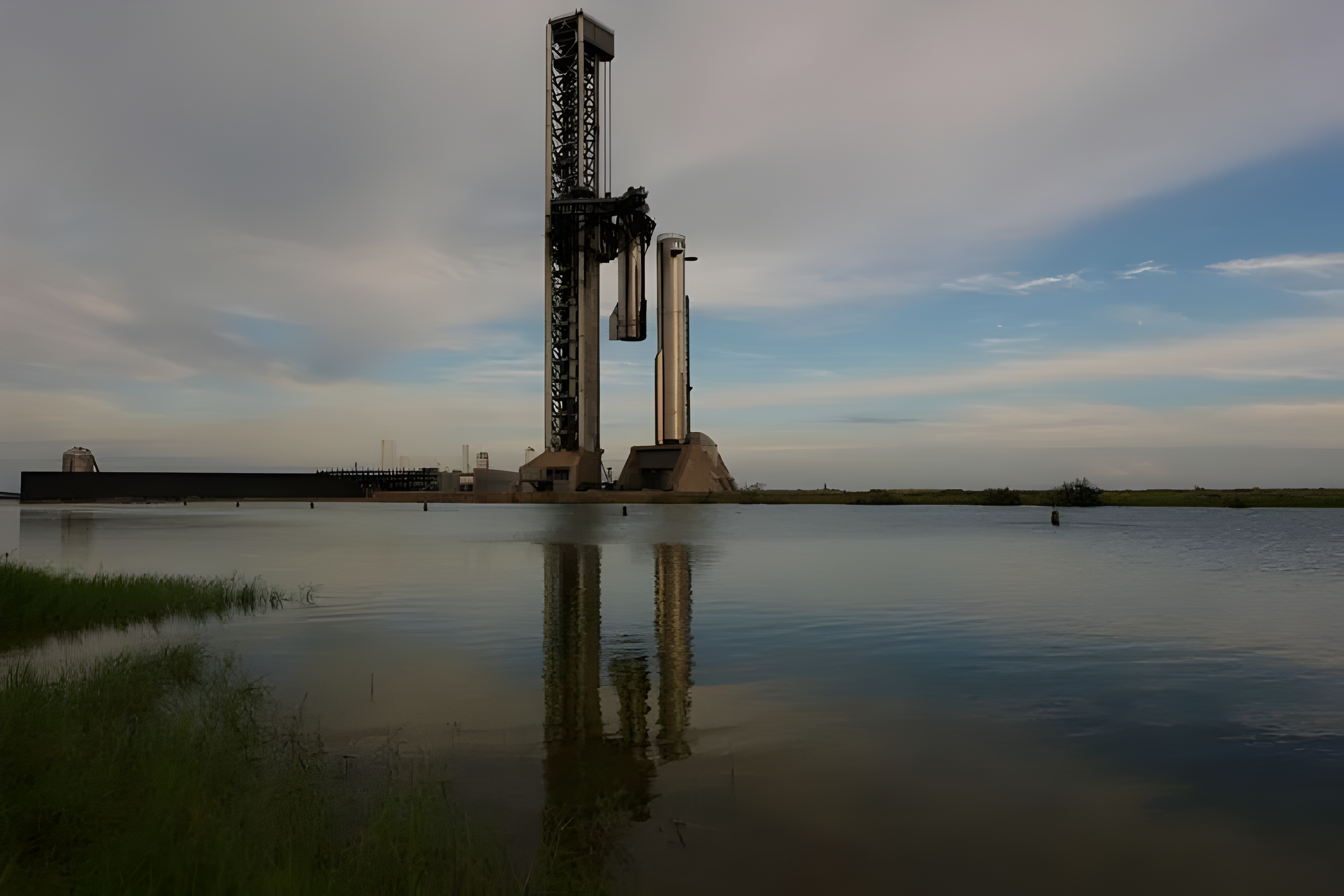
Flight 15 initially progressed through ascent and stage separation. SpaceX had intended to bring the Version 3 Super Heavy booster back to the launch site, where the tower nicknamed “Mechazilla” would secure it with two large mechanical arms, sometimes called “chopsticks.”
SpaceX later reported that the booster’s engines stopped firing too soon during its return. Its guidance system determined that the vehicle was not correctly positioned for a tower approach, so it diverted toward the Gulf of Mexico and was destroyed. Engineers were still investigating the underlying cause.
That automated diversion illustrates a key constraint on tower recovery. A catch is attempted only when the returning stage meets the required health, position and trajectory conditions. The tower is recovery infrastructure rather than a substitute for precise vehicle control; the rocket must deliver itself into a tightly controlled capture area before the arms can take its weight.
SpaceX had already demonstrated booster catches on three previous flights, beginning with Flight 5 in October 2024. Flight 15 was intended to extend that experience to the newer Version 3 booster while adding the much harder first recovery of an upper stage returning from orbit.
The upper stage completed the mission’s remaining test
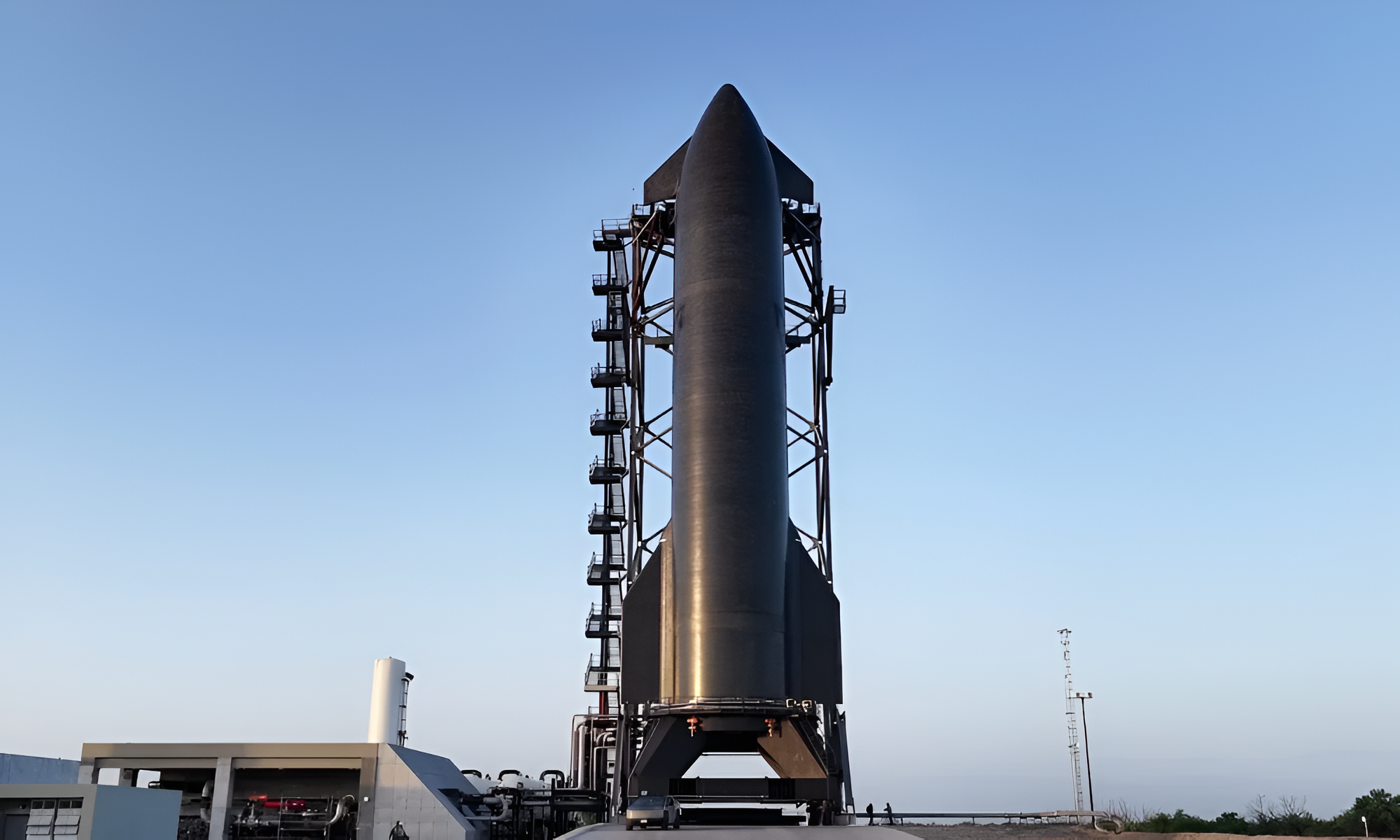
After separation, Starship reached orbit and deployed 26 Version 3 Starlink satellites. It remained in space for about 22 hours, completing 14 circuits of Earth while SpaceX assessed the spacecraft and its heat shield before approving a return to the launch site.
The ship then reentered, descended toward the pad and was captured upright by the same tower-arm system that had been reserved for the booster a day earlier. This was the first tower recovery of a Starship upper stage after an orbital flight and the mission’s most consequential completed result.
Flight 15 therefore demonstrated the two recovery processes separately across Starship’s test history, but not together on one launch. That difference affects turnaround ambitions. SpaceX’s Falcon 9 boosters land on ships or pads and then must be transported and processed. Starship’s tower concept is designed to return both stages directly to launch infrastructure, reducing recovery handling as SpaceX works toward rapid reuse.
Full reuse remains the cadence test
Starship is designed to carry about 100 metric tons to orbit, more than five times the mass attributed to a Falcon 9 in the mission material. SpaceX plans to use that capacity for larger Starlink satellites and other high-volume orbital deployments. The Version 3 Starlink spacecraft carried on Flight 15 are described as almost four times the size of Version 2 satellites and capable of roughly 10 times the data throughput.
Payload capacity alone does not produce the launch rate SpaceX envisions. The company’s longer-term goal of flying Starship thousands of times annually depends on recovering, inspecting, servicing and relaunching both stages without rebuilding a substantial portion of the vehicle for every mission.
Flight 15 advanced that plan by returning the upper stage from orbit to the launch tower, while the booster diversion showed why a complete recovery demonstration remains difficult. SpaceX has now caught each stage in flight, but it has yet to catch both after the same launch the operating sequence required to test whether the full system can move from spectacular recoveries toward routine reuse.
| More aerospace and engineering stories, right in your MSN feed. Follow AMI on MSN |
By David Whitaker — Associate editor for AMI’s aerospace and drone systems desk, translating flight systems, aircraft programs, spaceflight, and UAV developments into accessible technical stories.