Amazon Loses 40 Leo Satellites, Grounding Rocket Central to Network Buildout
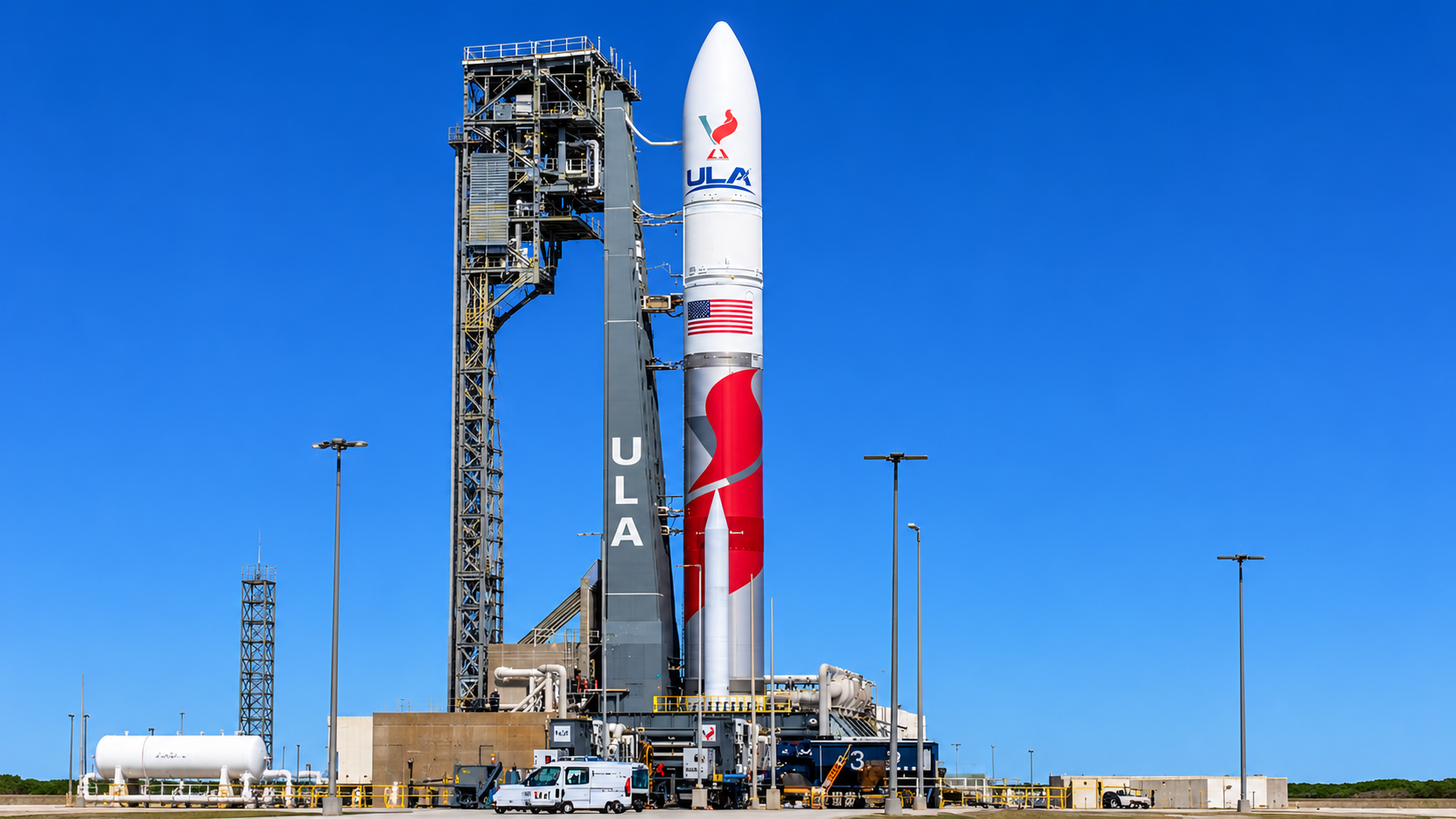
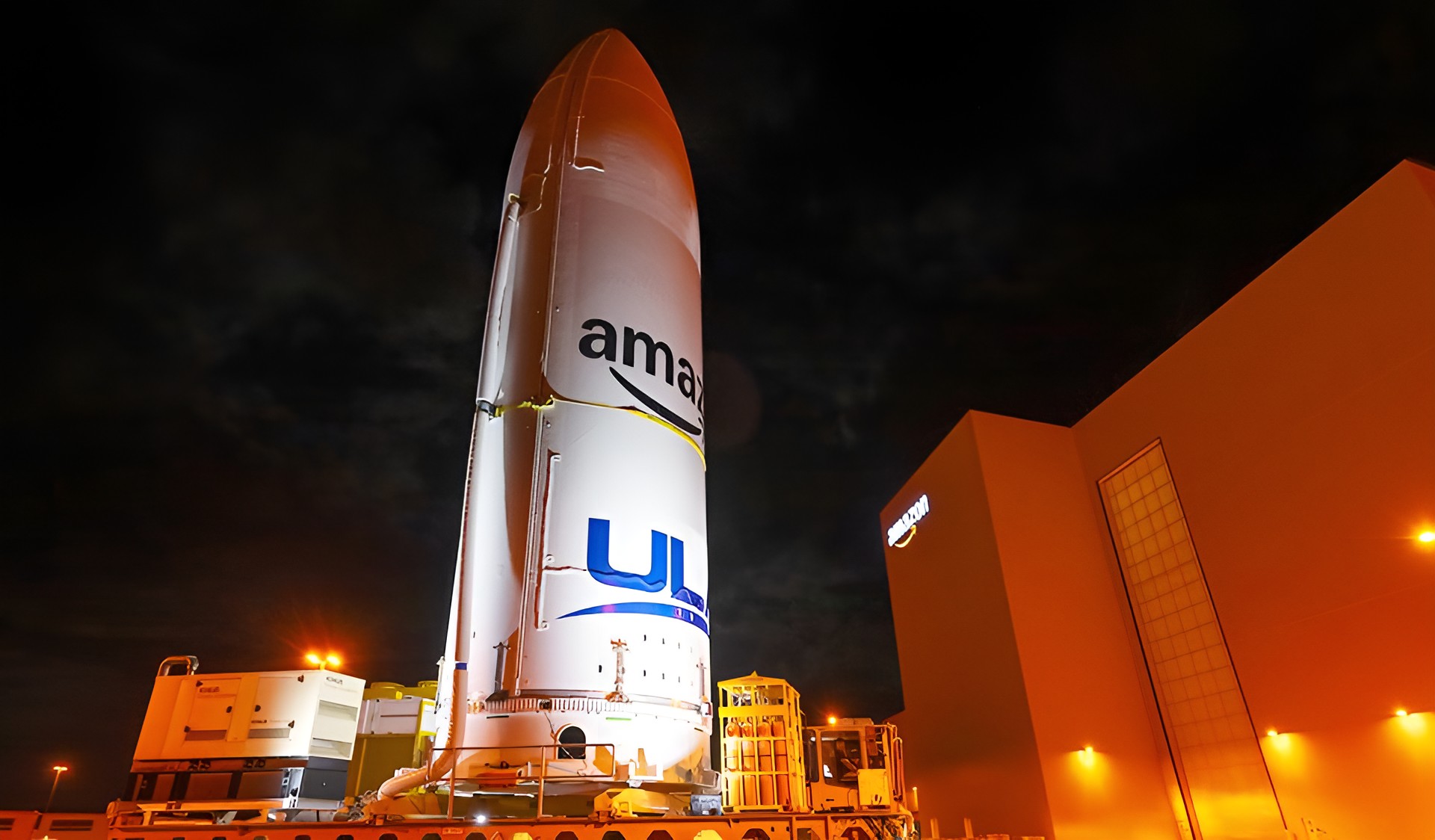
Amazon may still have enough satellites in orbit to begin a limited Leo internet-service rollout, but it has lost the rocket expected to deploy close to half of its first-generation network. A United Launch Alliance Vulcan failed about 10 minutes after liftoff on November 15, costing Amazon 40 satellites and grounding the launch vehicle until investigators identify the cause and corrective action.
That creates two different schedule questions. The first is whether Amazon can start some form of service with the nearly 400 satellites already launched. The second and more consequential is how quickly it can build the coverage and capacity required for a large commercial network. Amazon has not said whether the failed mission changes its initial rollout, and ULA has not announced a return to flight date.
Initial service and a full network are different milestones
Amazon said in July that it had completed enough launches to begin initial service in 2026. It repeated on November 9 that it expected the rollout later in the year, with subsequent missions expanding coverage and capacity.
The company had flown nearly 400 Leo satellites on 14 missions since April 2025, using ULA’s Atlas V, SpaceX’s Falcon 9 and Europe’s Ariane 6. The failed Vulcan mission would have raised the total to 436.
That existing orbital fleet may support Amazon’s stated initial-service plan, depending on where the satellites are positioned and what geographic areas the company intends to serve first. As of July, however, Leo had beta customers but no announced public launch areas or prices. Amazon’s November update also did not describe a service generally available to the public.
Losing one 40-satellite batch therefore does not automatically erase the possibility of a limited opening. It does remove hardware that would have added useful coverage and capacity, and it leaves prospective customers without a firm answer on when public service will begin.
Vulcan is a much larger constraint than one lost batch
Amazon purchased 38 Vulcan launches expected to carry more than 1,500 satellites. Melissa Wuerl, Amazon’s director of launch systems, described that assignment as “close to half our first-generation constellation.” No other rocket in Amazon’s manifest has been given as large a share of the deployment.
A second Vulcan mission had been expected within weeks of the first. That schedule is now suspended while ULA reviews the failure, determines a cause and implements a fix. The Federal Aviation Administration is requiring a ULA-led mishap investigation and will approve the final report and corrective actions.
The grounding also interrupts the launch-processing system built around Amazon’s order. Amazon paid for a hangar that lets ULA prepare two Vulcan rockets simultaneously, an investment intended to support a higher launch cadence. Parallel processing only produces value when the launch vehicle is cleared to fly.
Amazon’s satellite manufacturing is further ahead than its orbital deployment. The company said it built its 1,000th Leo satellite in early September and had hundreds waiting for launch. That turns rocket availability not spacecraft production alone into the controlling constraint. Satellites completed on the factory floor cannot provide coverage or network capacity until launch slots and functioning vehicles are available.
Other rockets provide options, but not an immediate replacement
Amazon has reserved 24 launches on Blue Origin’s New Glenn, 24 on Ariane 6 and 13 on Falcon 9. That diversified manifest reduces dependence on any single provider over the full program, but those bookings do not make Vulcan’s assigned volume easy to absorb elsewhere. Moving more than 1,500 planned satellites would require available rockets, compatible mission planning and launch capacity beyond the flights already contracted.
The schedule pressure extends beyond Amazon’s commercial rollout. The company’s Federal Communications Commission license requires 3,232 first-generation satellites to be in orbit by July 2029. The FCC granted Amazon additional time on an interim deployment requirement, but retained that final deadline.
With fewer than 400 satellites launched, Amazon remains far from the licensed constellation size. The lost mission also marked the first outright failure of a ULA rocket since Boeing and Lockheed Martin formed the company in 2006. ULA said the trouble occurred during the upper-stage burn, but no cause has been announced.
Amazon continues to describe ULA as “a trusted partner” and says it expects the company to deliver on its long-term Vulcan plans. The immediate test is no longer whether Amazon has enough satellites for a narrow service debut. It is when the rocket assigned to lift close to half the network can safely return to flight.
| More aerospace and engineering stories, right in your MSN feed. Follow AMI on MSN |
By David Whitaker — Associate editor for AMI’s aerospace and drone systems desk, translating flight systems, aircraft programs, spaceflight, and UAV developments into accessible technical stories.