Germany Restricts Sensor-Equipped Chinese Cars at Military Bases Over Security Concerns
Germany is restricting certain Chinese-made vehicles equipped with advanced sensors from entering or parking at military bases and training grounds. The operational consequence is immediate: affected personnel, contractors and visitors may have to leave their vehicles outside sensitive facilities.
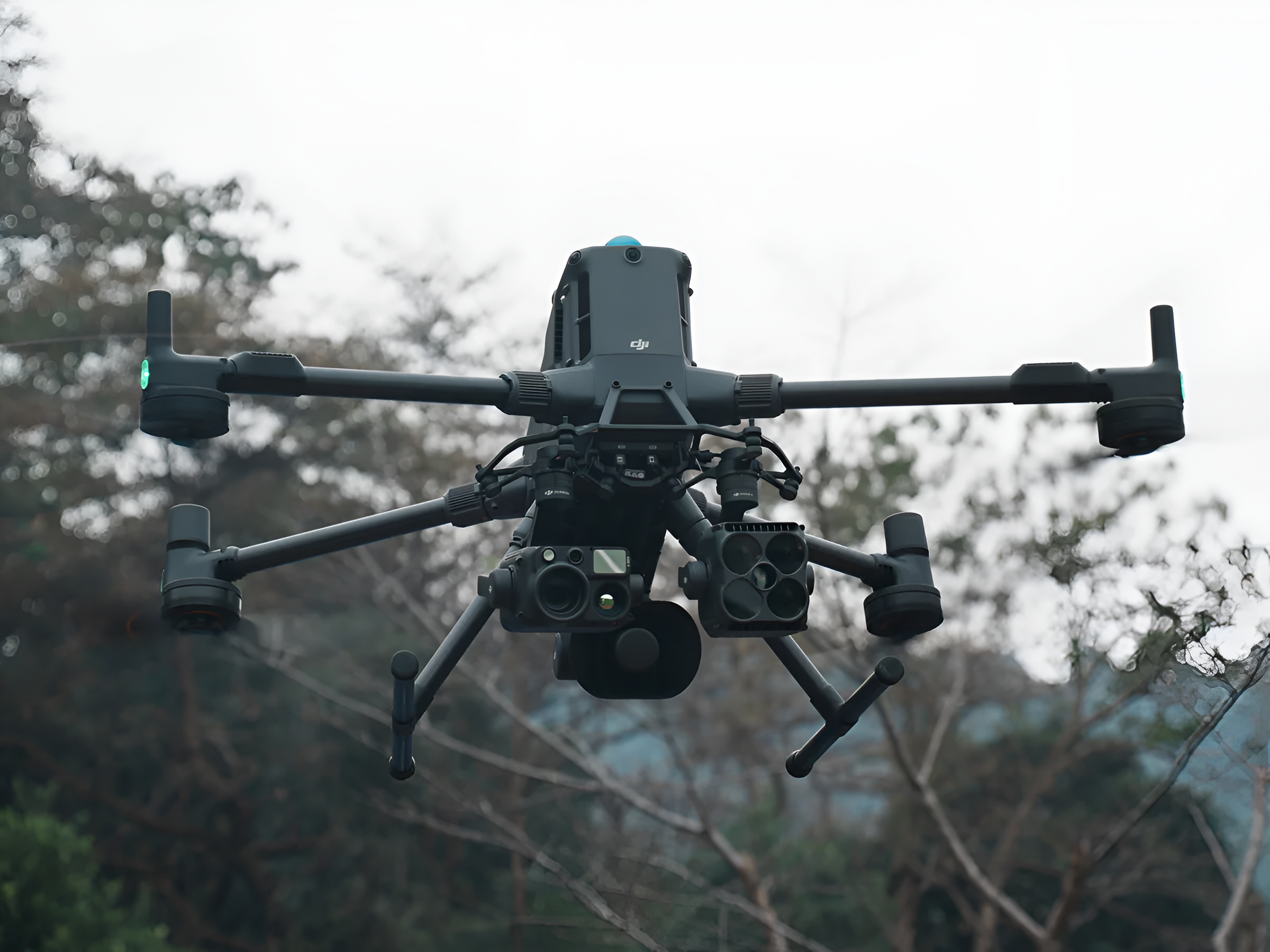
Bloomberg reported the decision on November 11, citing people familiar with the matter. Germany’s Defense Ministry confirmed that access controls are being applied while more detailed rules are developed. We are controlling entry and parking at bases, focusing on vehicles and devices equipped with sensors that pose security risks, and are developing detailed guidelines, the ministry said. Chinese-made commercial drones have also reportedly been suspended at German bases and training areas.
The policy reflects a basic change in vehicle architecture. A connected car can combine exterior and cabin cameras, radar, microphones, satellite positioning and cellular communications in one mobile platform. Those systems support parking assistance, navigation, diagnostics, software updates and automated-driving functions, but they can also collect images, audio, location histories and information about nearby infrastructure.
Useful vehicle systems create a facility-access problem
For a military installation, the relevant question is broader than whether a vehicle has been used for espionage. Security managers must consider what it can sense, what it stores, whether data leave the vehicle and who may have remote administrative access. Those characteristics can be difficult to verify at a gate, particularly when hardware, software, cloud services and component suppliers come from several companies.
That helps explain why access restrictions are spreading faster than vehicle-by-vehicle technical assessments. Poland has announced a general prohibition at military facilities, with limited exceptions when information-gathering functions are disabled and local requirements are satisfied. Publicly accessible military hospitals, clinics, libraries, prosecutors’ offices and social facilities are exempt, showing how authorities are trying to preserve ordinary access while protecting more sensitive areas.
British guidance reportedly uses several layers of control. Selected sites impose parking restrictions, while personnel using Chinese-made electric vehicles have been told not to hold classified conversations inside them or connect work phones to their systems. At RAF Wyton, electric vehicles containing Chinese-made components reportedly must remain at least 2 miles, or about 3.2 kilometers, from key intelligence facilities.
The United States has also acted. The Defense Department added BYD to a list of companies linked to the Chinese military in June, and BYD vehicles were barred from Kadena Air Base in Japan over concerns that cameras, sensors and positioning systems could collect information within the installation.
Tests show capabilities, but not one universal risk
Several investigations help define what connected vehicles can record, although their results do not establish that every restricted vehicle transmitted sensitive information. During a Norwegian military exercise, cameras in rented Chinese-made electric vehicles recorded access codes and troop routes. Authorities deleted the recordings but could not determine whether they had been sent elsewhere.
An Australian experiment demonstrated tracking, microphone access and control of a BYD Shark 6’s headlights, wipers and locks. Researchers first physically installed additional software and equipment, however, so the test did not demonstrate remote entry through BYD’s own communications network.
Other work has identified external communications and manufacturer access without establishing the contents or misuse of the data. A 2022 Swedish investigation found an MG Marvel R communicating with servers owned by Tencent, but researchers could not verify what was transmitted. MG later acknowledged that six communications ports identified in a follow-up investigation were open and said it planned a software update. Norwegian transport operator Ruter separately found that Yutong electric buses allowed manufacturer remote software updates and diagnostics, a capability absent from the VDL buses used for comparison.
These findings point to different categories of exposure: local recording, communication with external servers, open network services and legitimate manufacturer access. Treating them as interchangeable would overstate what individual tests established. Facility operators nevertheless have to manage the combined uncertainty because they often cannot inspect proprietary software, cloud routing and remote-access controls before admitting a vehicle.
The policy tradeoff is access versus assurance. Rules based on country of manufacture are simple to enforce but can sweep in vehicles whose data behavior has not been individually evaluated. Function-based exceptions are more precise, yet guards need a reliable way to confirm that cameras, microphones, wireless links or data collection have actually been disabled. Asking drivers not to connect work phones is easier to implement, but it addresses only one path by which workplace information might enter a vehicle system.
The European Union Agency for Cybersecurity has recommended risk-based procurement, security assessments covering onboard and offboard systems, certification and standardized vulnerability remediation across the connected-mobility ecosystem. Its connected and automated mobility guidance also emphasizes that vehicle security depends on manufacturers, infrastructure operators, service providers and supply chains rather than one component alone.
Germany’s developing guidelines will determine whether its restrictions remain primarily origin-based or evolve toward verifiable technical criteria. Until facility staff can establish what a connected vehicle records, where its data go and who can reach its systems remotely, parking outside the gate is the simplest enforceable control.
| More aerospace and engineering stories, right in your MSN feed. Follow AMI on MSN |
By Thomas Caldwell — AMI’s senior editor for mechanical and mobility engineering, covering vehicle electronics, systems integration, electrification, chassis systems, propulsion, and safety policy.